An exercise is the only place a force finds out what it cannot do. Deployment timelines slip, fuel arrives late, radios from two countries refuse to talk to each other, and a headquarters designed for thirty people turns out to need ninety. None of that appears in a capability statement.
This section covers military training and readiness. Large national and multinational exercises, live-fire ranges, simulators and synthetic environments, logistics rehearsals, command post exercises, deployment and reception drills, and the readiness reporting that follows.
Exercises are also signals. A deployment described as routine training may be meant to reassure a neighbor or to demonstrate reach, and coverage says which purpose the participants have stated and which they have not.
What an exercise revealed usually matters more than that it happened. Where after-action findings or auditor observations are published, they get more attention here than the press release did.
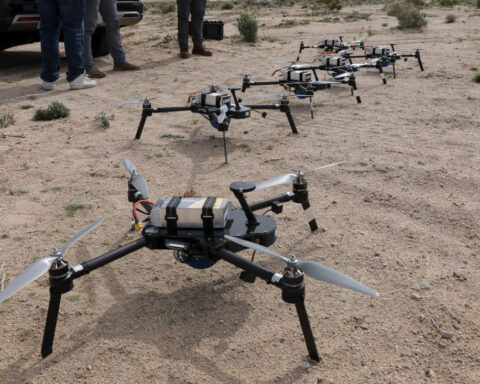
A July 25 after-action brief lays out what happened during the sixth RAND-Joint Counter-Small Unmanned Aircraft Systems Office exercise, held the day before at Fort Belvoir. This was not another planning session. Teams ran live drills to stop drones from reaching runways.
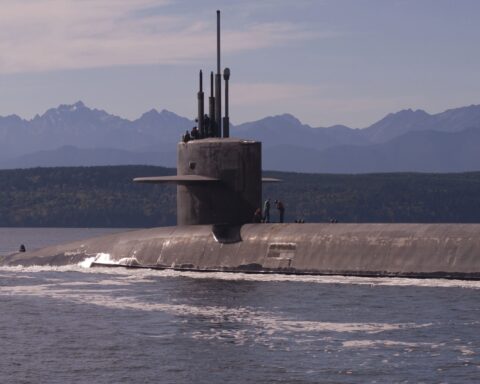
The U.S. Navy will run its third Large Scale Exercise (LSE 25) from late July into August. This iteration brings Canadian, Japanese, and NATO representatives into the control architecture for the first time. They will sit beside U.S. commanders to test global
Finlands defence chiefs took a bold step in early 2022. They shifted every special-operations unit into one, single chain of command. Many officers cheered the plan straight off; others worried it might cramp service-level culture. Yet, the Commander of the Finnish Defence