Hypersonic flight is a heat problem long before it is a speed problem. Sustained travel above Mach 5 puts leading edges and inlets into a thermal regime where most materials stop behaving predictably, which is why so many programs stall at the same point in testing.
This section follows propulsion that has not entered service. Adaptive-cycle engines, scramjets and ramjets, combined-cycle concepts, solid rocket motor chemistry and casting capacity, electric and hybrid work for unmanned aircraft.
Test campaigns are reported with their conditions attached. A flight at Mach 5 held for two hundred seconds is a different result from a captive-carry demonstration, and both get described as what they were. Engines already in production are a separate subject.
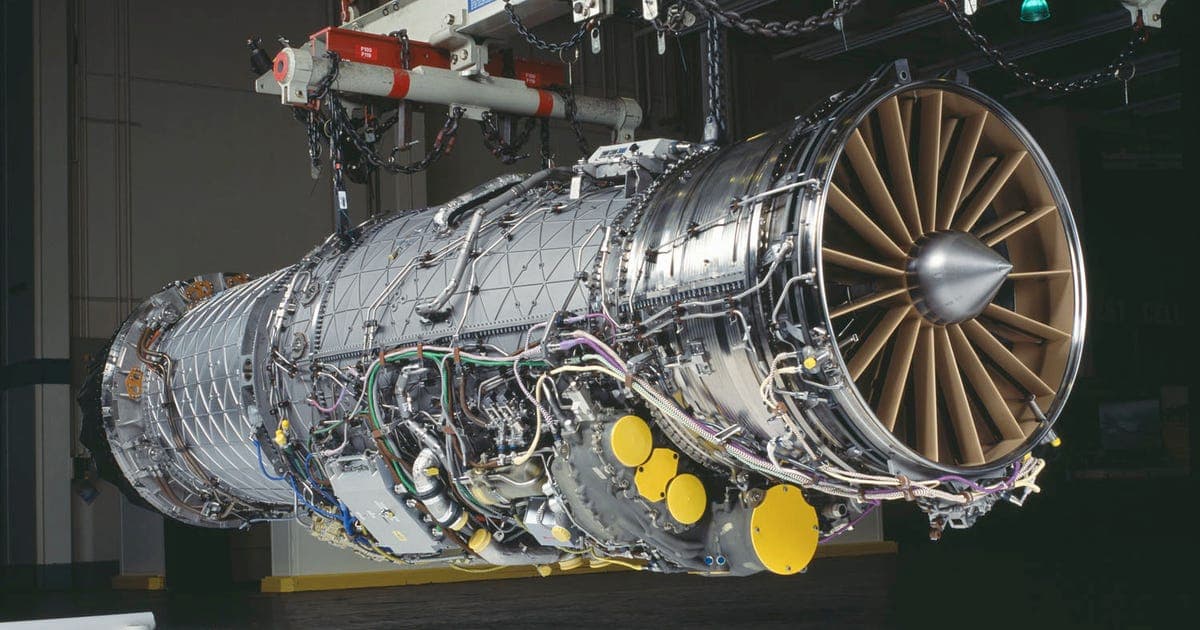
House appropriators and Senate authorizers backed the Air Force’s full $513.7 million fiscal 2027 request for next-generation fighter engines; House authorizers recommended cutting it by $51.4 million. A continuing resolution now holds the program to its fiscal 2026 level just as prototype
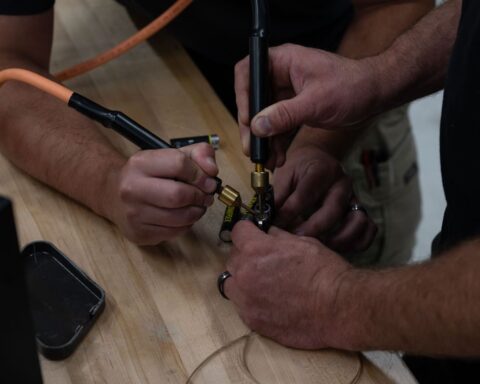
The Pentagon is tightening its battery playbook as drones spread across the force. Officials confirm a department-wide battery strategy will be published in early 2026. It builds on the 2023 framework and new direction from Congress. The plan ties standards, safety, supply
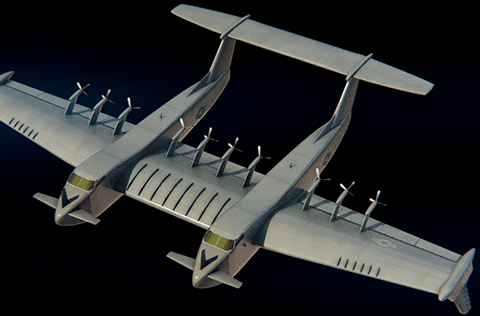
The Defense Advanced Research Projects Agency has shut down its three-year effort to build the Liberty Lifter, a heavy-lift seaplane that would skim above waves on a cushion of air. According to industry sources, the agency notified performers on July 12 that
The Defense Advanced Research Projects Agency has closed the books on its Demonstration Rocket for Agile Cislunar Operations program. Defense officials confirm the termination order went out late Monday. The move ends a five-year push to field a nuclear-thermal upper stage able
June 30, 2025
Related Coverage
Aircraft Propulsion covers engines already in production and in service, which is the harder boundary to hold in hypersonics reporting. The airframes and weapons these concepts are meant to power sit in Missiles / Drones / Directed Energy and Aircraft.