Fleet size is the number that gets quoted. What a force can actually put in the air on a given morning is a different figure, and usually a much smaller one. An air arm holding 180 fighters at a 55 percent mission-capable rate fields fewer than one holding 120 with good spares support.
This section covers hardware across air, land, sea and space. Combat aircraft, rotorcraft, warships and submarines, armored vehicles, satellites, and the sensors that tie them together. New programs are followed from requirement to service entry, existing fleets through their upgrades, which usually matter more since most of the equipment flying in 2040 is already built.
Most of what changes a platform arrives after delivery: a new radar, a software drop, a sustainment contract that fixes a parts problem at last, or a quiet decision to delete a capability nobody funded.
Specifications are reported where a program office or a budget document supports them. Where they do not, the number is called an estimate.
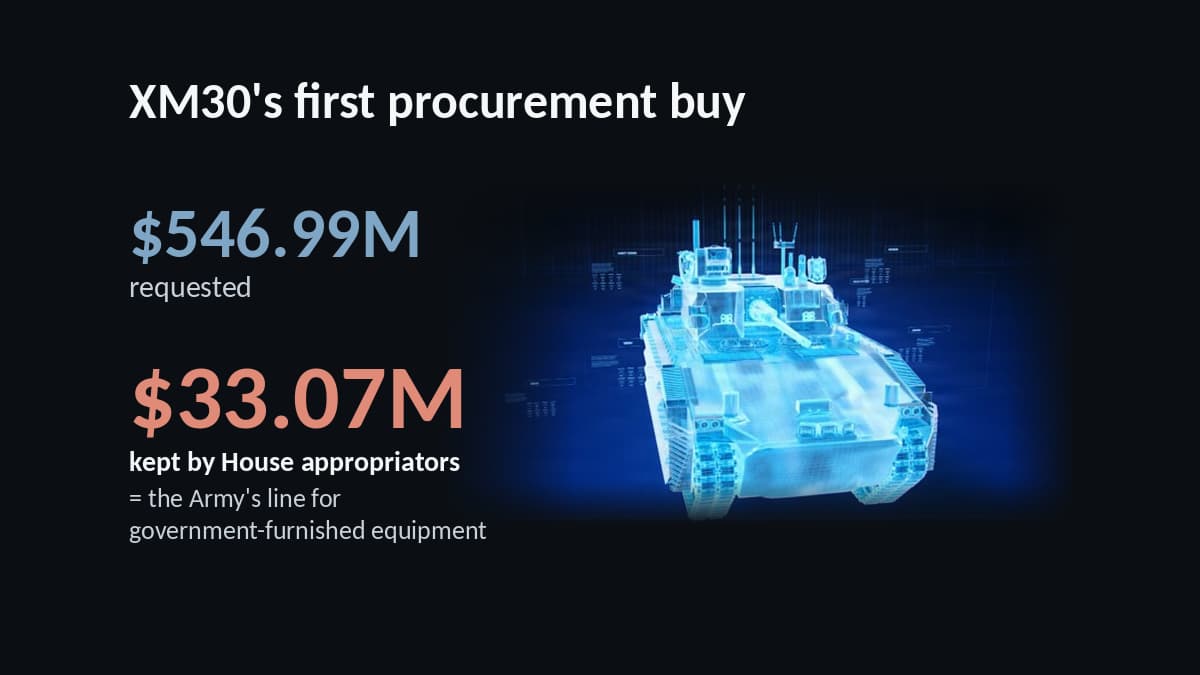
The Army’s first request to buy XM30s, rather than just develop them, ran into an “early to need” cut. The amount that survived matches a single line in the Army’s own cost exhibit. $33.07MHouse Appropriations level for XM30 procurement, down from $546.99M
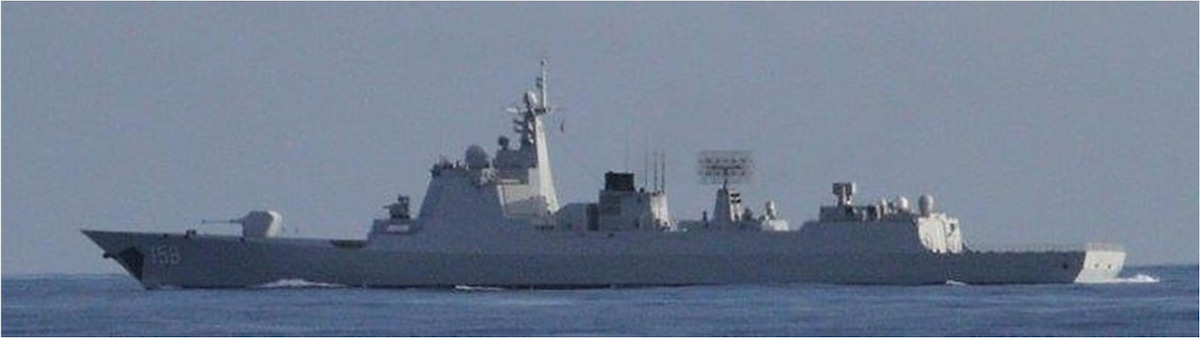
Beijing announced the destroyer Tongchuan on May 31 without saying when it entered service. Open-source trackers had already counted 35 ships of the class in February. A close look at the newest 052D, and at the four different numbers that keep getting
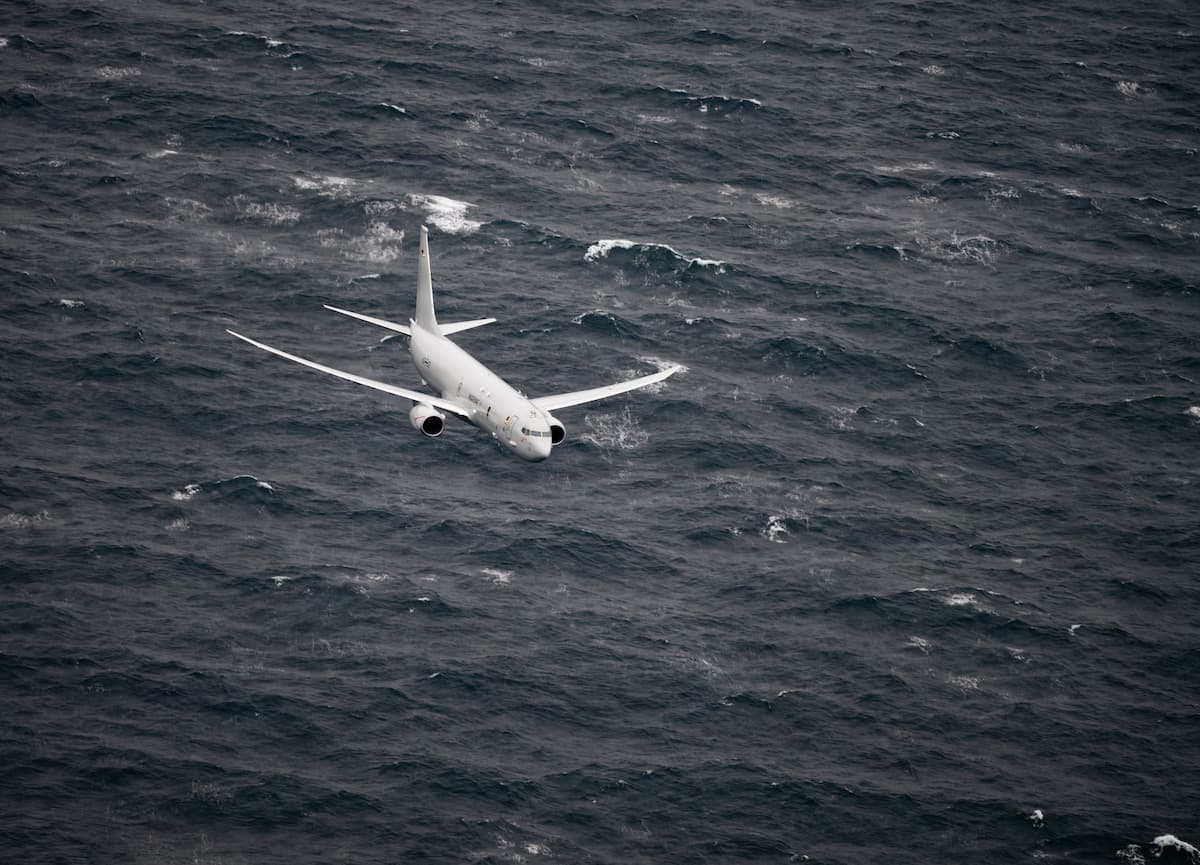
Berlin signed for a Poseidon simulator in 2023 and hoped to have it in 2027. The U.S. Navy put the contract on Boeing in 2026, with work running to 2031. Two weeks after that contract, Congress was told the fleet it serves
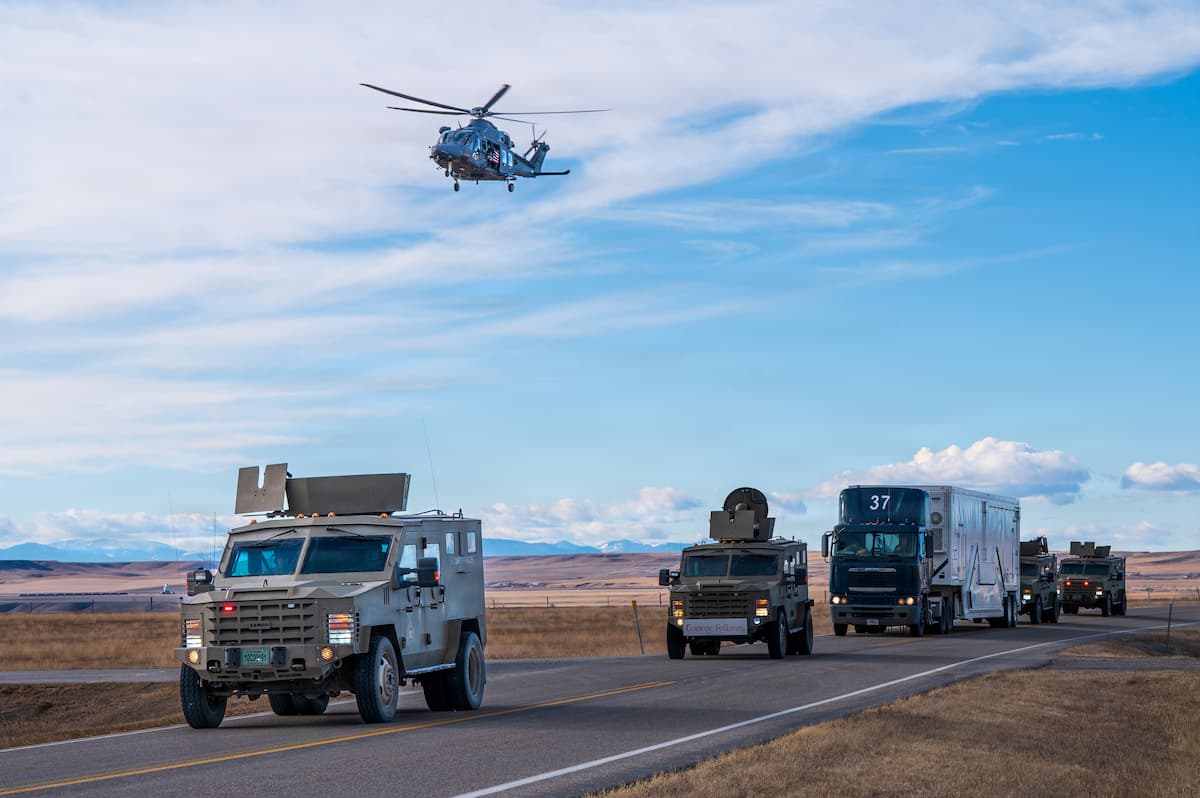
The 2023 production baseline targeted the full-rate production decision for March 2025. The FY2027 budget projected it for August 2026. Along the way, the Air Force funded 36 of 50 production helicopters and declared the type’s initial operational capability for nuclear security.
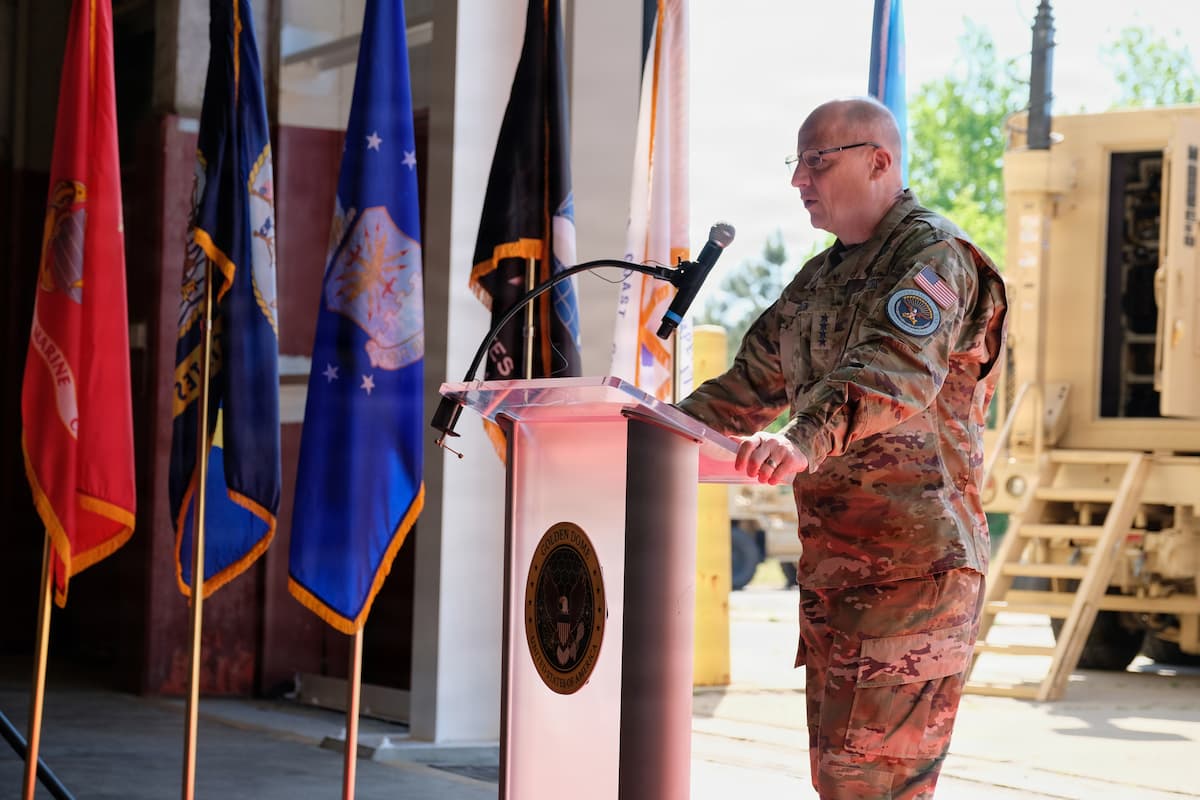
Two Congressional Research Service products, published a day apart, can’t agree on what “$17.5 billion” means for Golden Dome. The continuing resolution that followed settled a different question: for now, none of it is protected. Document Figure given What it says CRS
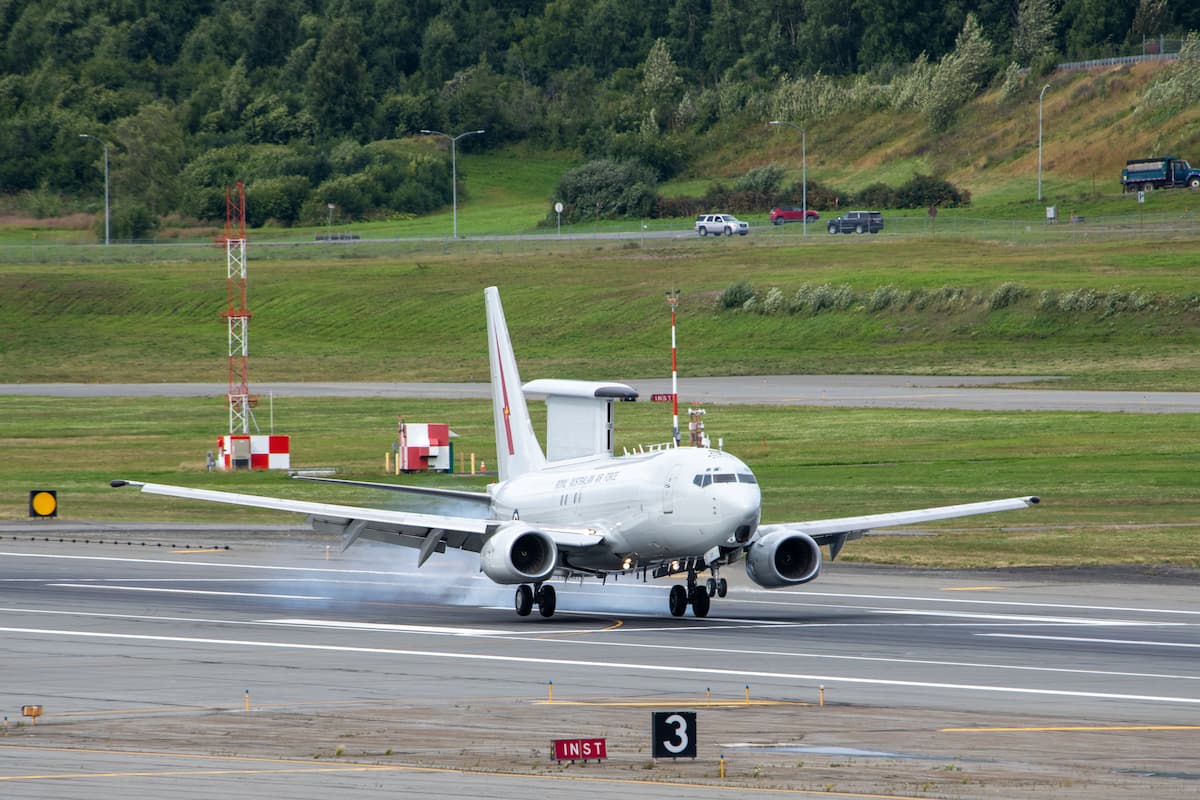
The Pentagon has reversed course on the E-7 twice in two budget cycles. Only one of those reversals has a dollar figure attached to it in an actual bill. E-7A Wedgetail · FY2027 DoD request none requested HASC, authorized none SASC, authorized
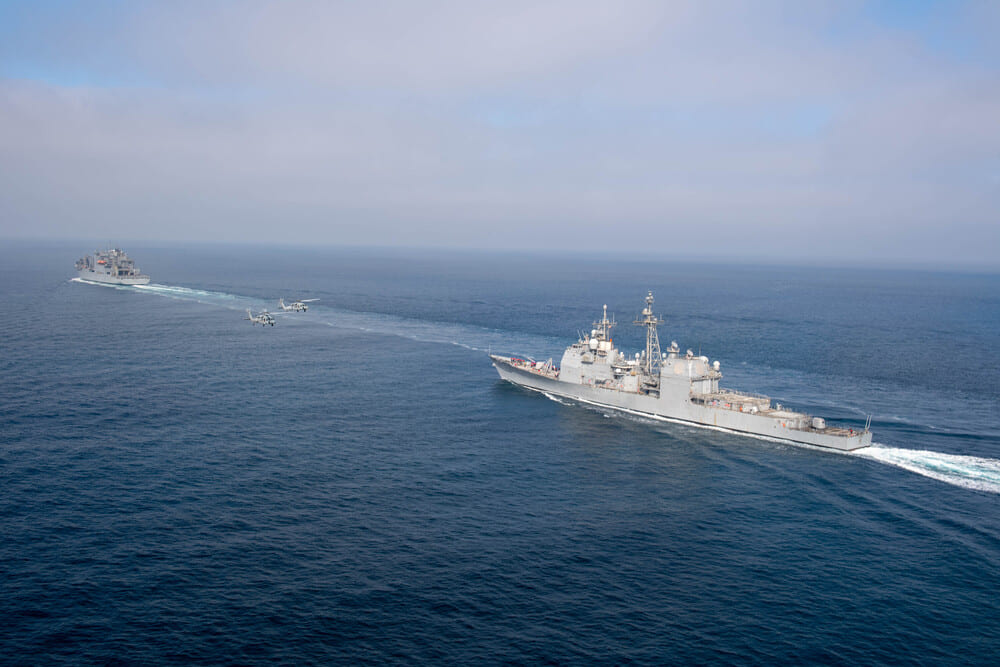
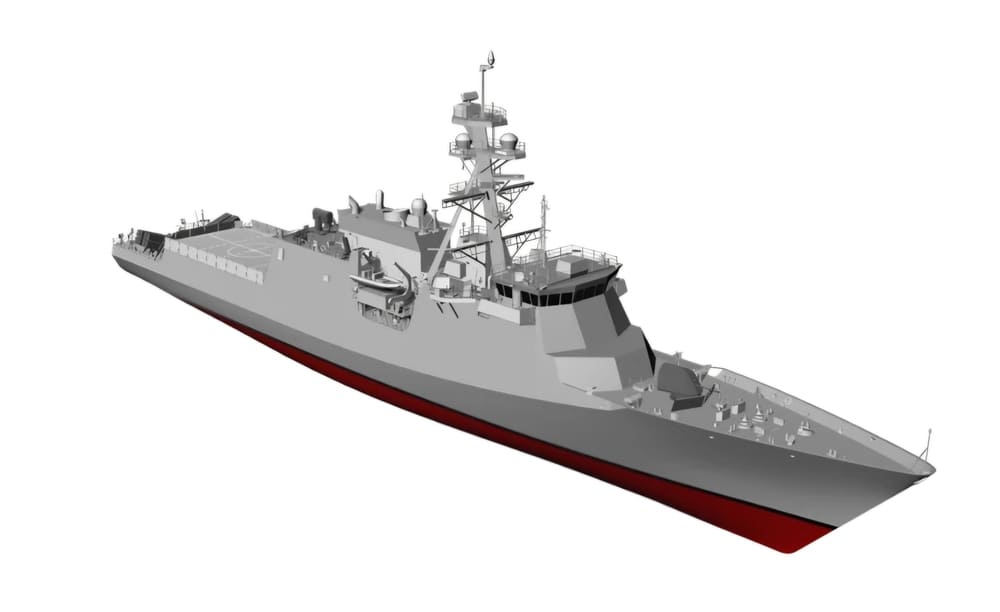
The U.S. Navy says the first production group of its new FF(X) frigates will deploy without a built-in Vertical Launch System. The service confirmed that point on Dec. 22, 2025, after releasing early renderings that showed no obvious VLS on the bow.
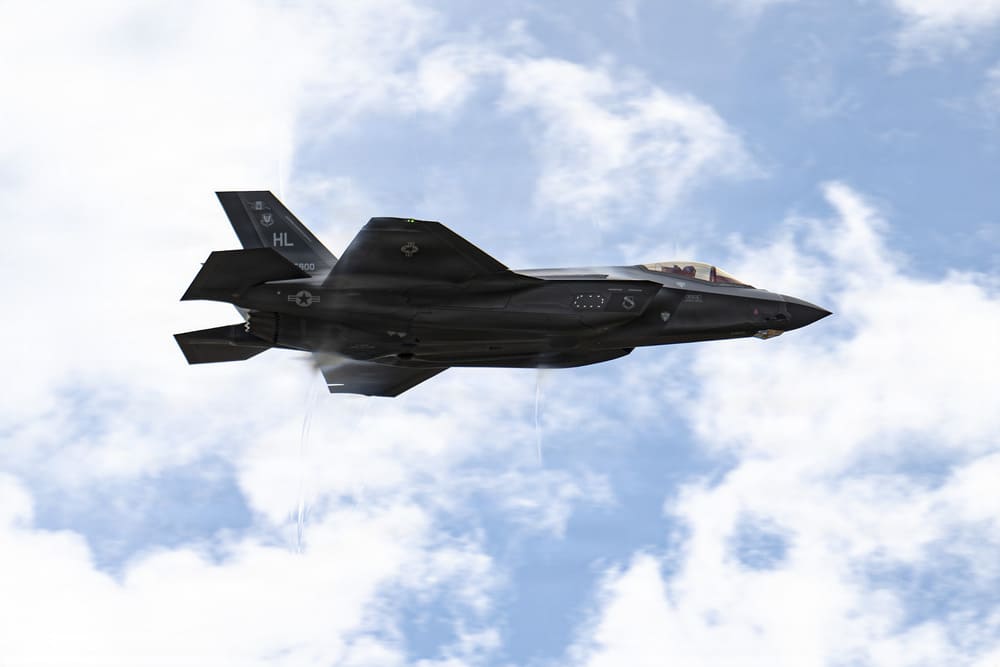
USAF F-35A fighters from the Vermont Air National Guard’s 158th Fighter Wing arrived in Puerto Rico on Dec. 20, 2025 for Operation Southern Spear. The jets flew into Roosevelt Roads Naval Station near Ceiba, which now serves as a staging point for
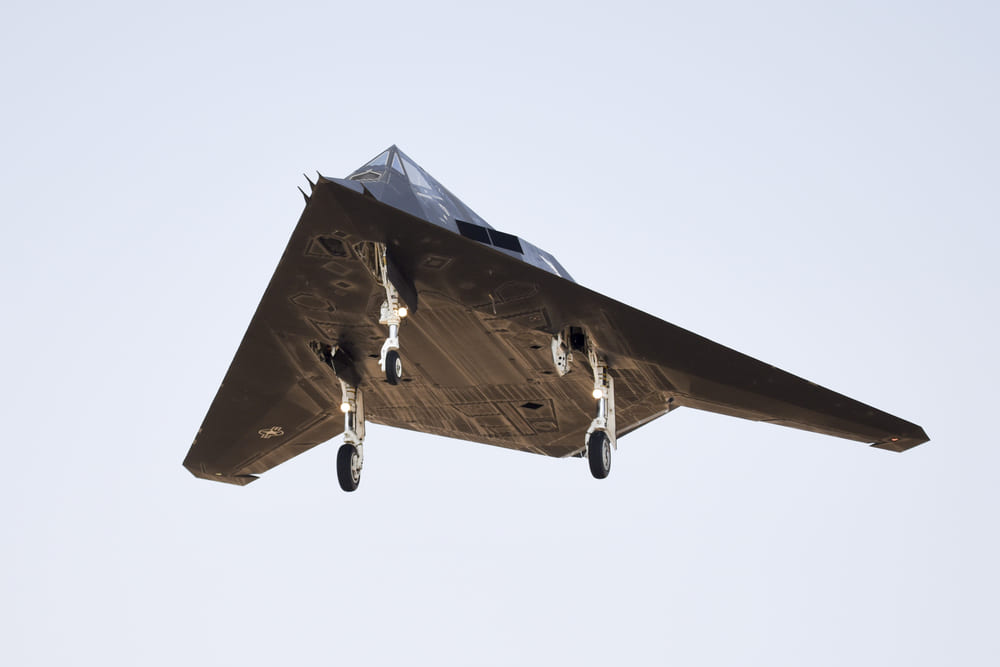
Dec. 20, 2025 marks 36 years since the F-117 Nighthawk’s first combat use during Operation Just Cause in Panama. The sortie stayed quiet at the time, yet it set a pattern that followed the jet into later wars. Central America also sits
The U.S. Navy confirmed it will pursue a new frigate class, FF(X), built around the Coast Guard’s Legend-class National Security Cutter hull. Navy leaders say the first ship will launch in 2028, with Ingalls Shipbuilding set as the lead builder. The move
Aircraft covers military fixed-wing from fighters to airlifters. The engines that decide their range and most of their schedule risk sit in Aircraft Propulsion. Aircraft (Civil/Military Systems) handles the airliner-derived tankers, patrol aircraft and special-mission conversions. Helicopters follows rotary-wing procurement and sustainment.
Naval Systems runs from surface combatants to submarines and the yard capacity behind them. Armor, artillery and battlefield logistics are in Land Systems. Space Systems handles satellites, launch access and orbital infrastructure, and Surveillance & Reconnaissance the sensors that turn all of it into usable information.