Engines are where aircraft programs go late. The airframe is usually the predictable part. Thrust targets, thermal margins, blade coatings and the number of test hours a service wants before it clears an engine for flight have delayed more schedules than any structural problem.
This section follows propulsion that is flying or close to it. Turbofans and turboshafts in production, upgrade packages, thrust growth for aircraft that gained weight, hot-section durability, depot throughput and time on wing. Also the sustainment side, where an unscheduled removal rate can decide whether a fleet meets its availability target.
Experimental and next-generation concepts are handled elsewhere. What appears here has hardware running.
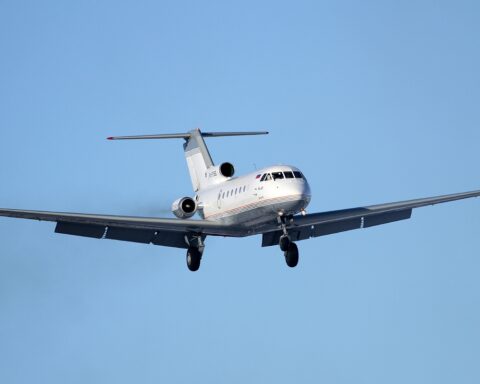
Novosibirsk, Russia - A Yakovlev Yak-40 flying laboratory lifted off from SibNIA's Yeltsovka airfield on July 14, logging the first airborne run of UZGA's new VK-800 turboprop. The 15-minute sortie reached roughly 700 meters and about 340 kilometers per hour. Test crews
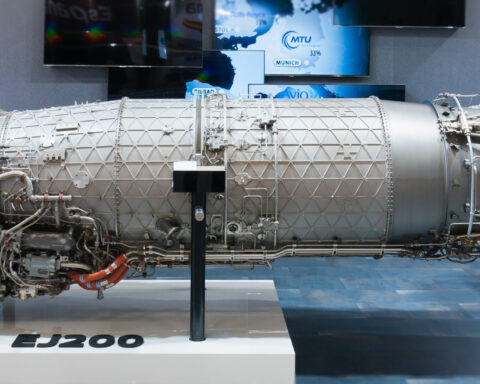
EUROJET Turbo GmbH has agreed to deliver up to fifty-four new EJ200 engines for the Italian Air Force's forthcoming batch of twenty-four Eurofighter Typhoons. Defense officials confirm the deal was signed in Rome with the NATO Eurofighter & Tornado Management Agency (NETMA)
June 30, 2025
Related Coverage
Aircraft follows the platforms these engines power, and Helicopters the rotorcraft side, where turboshaft time on wing drives most of the sustainment bill. Adaptive-cycle work, hypersonic propulsion and rocket motors are in Advanced Propulsion Systems.