The A330 MRTT, the P-8 and the E-7 all began life on a commercial production line. That is the cheapest route to a large military aircraft, and the reason so many air forces now operate a fleet whose airframe was designed for passengers.
This section covers those aircraft as platforms. Which baseline they come from, what the conversion adds, how the mission system behaves, what the fuel offload or sensor coverage turns out to be in service. Special-mission variants, government transports, and the growing number of types flying in both civil and military registries.
Programs are judged on what the conversion delivers rather than on the airframe it started from.
Berlin signed for a Poseidon simulator in 2023 and hoped to have it in 2027. The U.S. Navy put the contract on Boeing in 2026, with work running to 2031. Two weeks after that contract, Congress was told the fleet it serves
The first company-led flight of the Survivable Airborne Operations Center took place on Aug 7, 2025, out of the Aviation Innovation and Technology Center at Dayton International Airport. The prime contractor reported the sortie as the opening step in a structured test
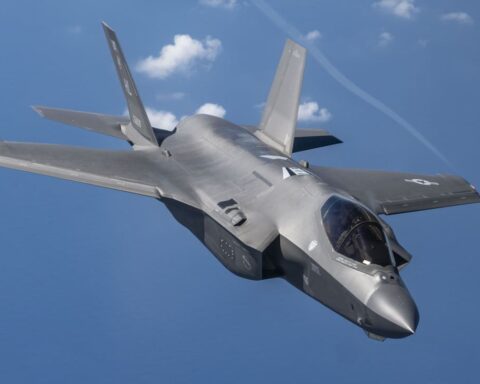
A Government Accountability Office audit reported the F-35 modernization package known as Block 4 will field fewer capabilities than earlier plans, with completion targeted “at the earliest” in 2031. The audit lists a reduced set focused on electronic warfare, added weapons, communications,
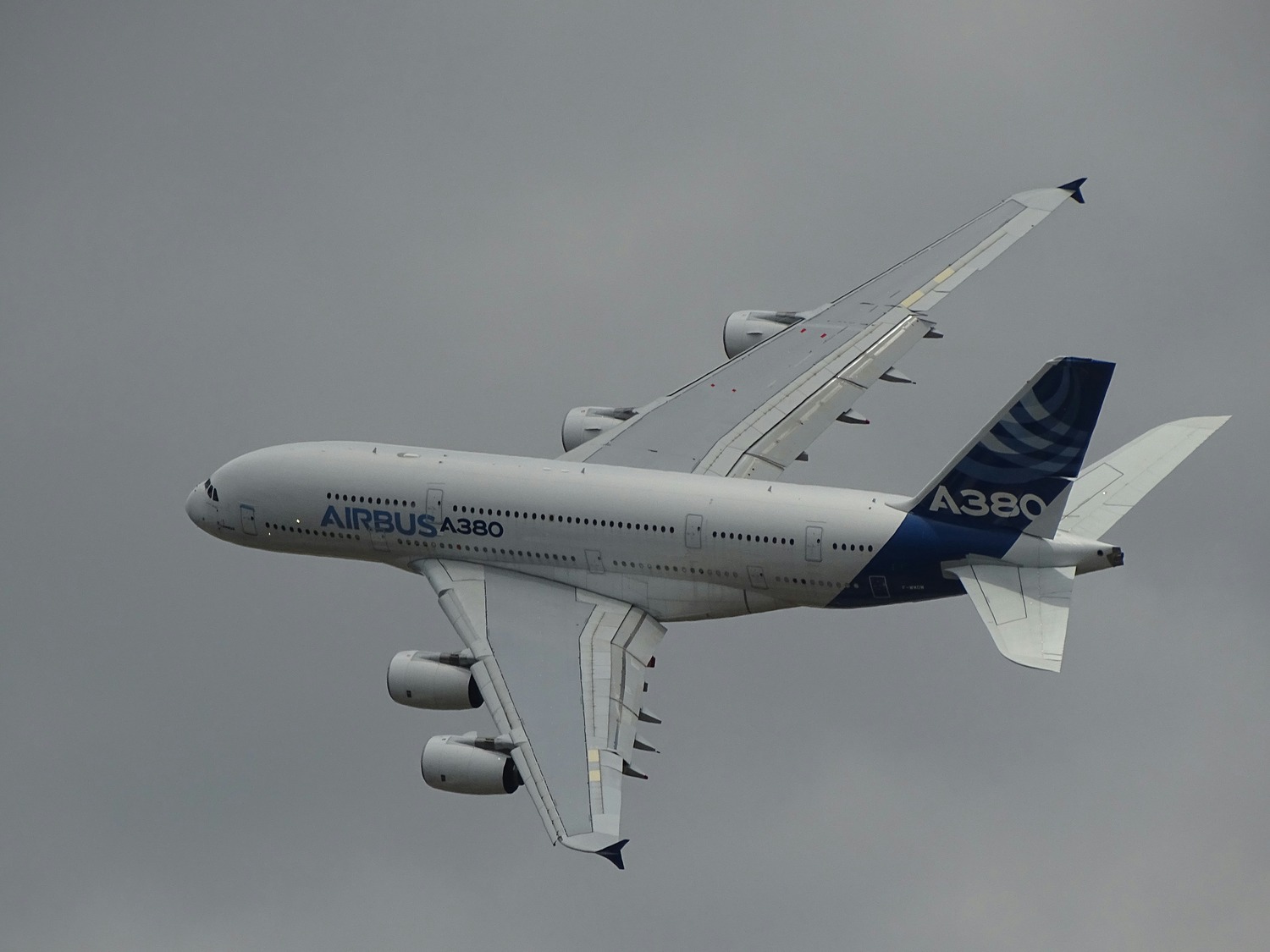
Airbus has chosen the diversified power-management company Eaton Corporation to develop and build the hydraulic power-generation system for its new A380 wide-body jetliner. The multi-year award covers design, qualification, initial production and long-term support. Eaton projects revenue of about $200 million over
October 10, 2001
Related Coverage
Aircraft covers purpose-built military fixed-wing, which is where most comparisons here start. Aircraft Propulsion follows the commercial engine families these conversions inherit, along with the commonality that makes them affordable. The industrial and certification side, including conversion houses and export rules, is in Civil-Military Aviation & Cooperation.