Autonomy in the field is mostly narrow and mostly unglamorous. Terminal guidance that keeps working after the link drops, a route planner, an automatic target recognizer that flags candidates for a human. The systems that get fielded are the ones a crew already trusts, which is a slower path than any procurement schedule assumes.
This section covers military AI and autonomous systems. Collaborative combat aircraft, uncrewed surface and underwater vessels, ground robots, automated intelligence processing, decision support, predictive maintenance, and the test and assurance work needed before any of it goes near a weapon.
Claims about autonomy levels get checked against what an operator can actually delegate. Most fielded systems remain a long way from the description in the press release.
Five months after the Pentagon’s headline budget request, three congressional committees have written down a figure for the same organization, and it isn’t $55 billion. Defense Autonomous Warfare Group · FY2027 Requested, discretionary $1.00B Requested, mandatory $53.6B via reconciliation HASC, authorized $1.00B
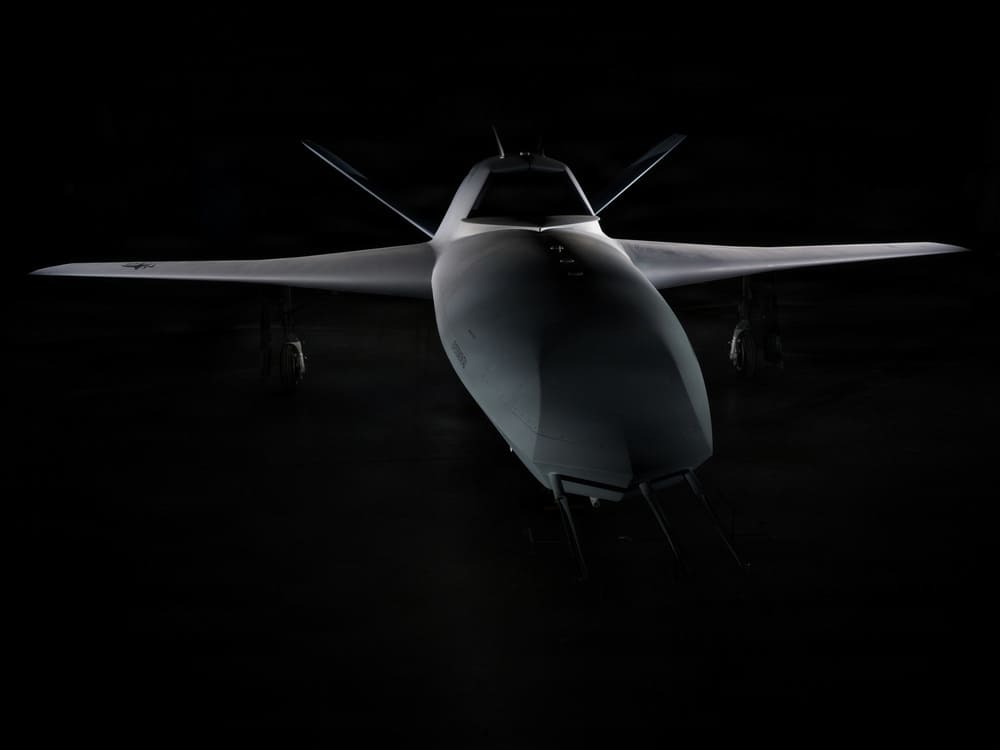
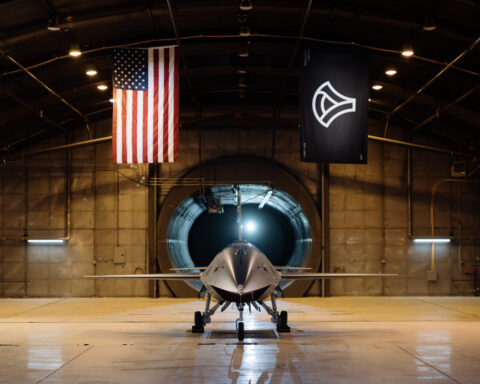
The U.S. Air Force on Dec. 22, 2025 assigned the YFQ-48A Mission Design Series to Northrop Grumman’s Project Talon, a semi-autonomous prototype aircraft. The service described Talon as a “strong contender” for its Collaborative Combat Aircraft effort, as Increment 2 concept work
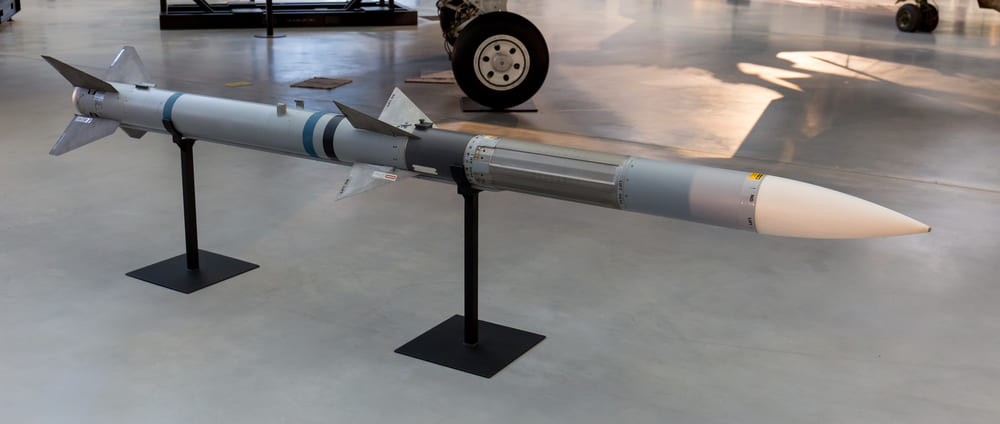
The MQ-28A Ghost Bat has carried out its first live air-to-air missile shot. During a Dec. 8 test event at the Woomera Test Range in South Australia, it fired an AIM-120 Advanced Medium-Range Air-to-Air Missile. Officials say the missile successfully engaged and
An Air Force official said the Collaborative Combat Aircraft effort continued through the funding lapse with no direct program impacts. “Personnel supporting critical test and development activities were identified as excepted and returned from furlough to ensure continuity of operations and avoid
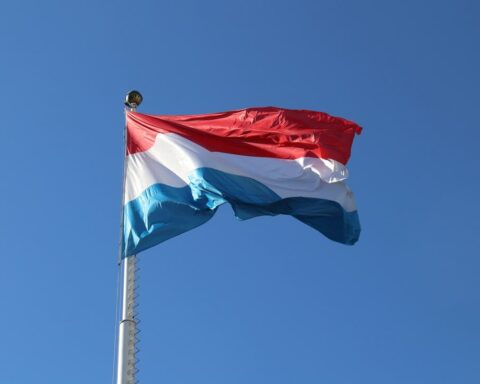
The Netherlands signed a letter of intent on October 16 in Washington to join the US Air Force’s Collaborative Combat Aircraft effort. State Secretary for Defence Gijs Tuinman signed at the Dutch Embassy during Defense Industry Days. The Dutch Ministry of Defence
Northrop Grumman’s Model 437 Vanguard flew again on September 20 after months of modification for the Beacon autonomy program. Company engineers installed the Prism autonomy stack, integrated new interfaces and prepared the aircraft for envelope expansion sorties at Mojave before partner software
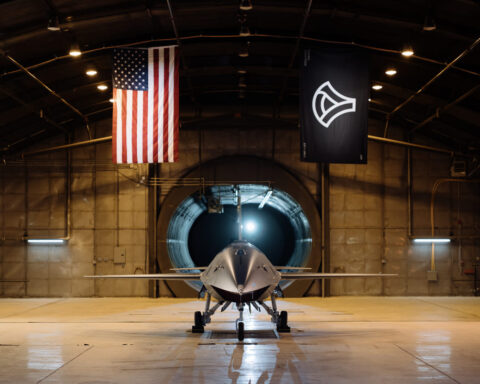
Air Force leadership set mid-October for the first flight of Anduril’s YFQ-44A, the company’s entrant in the Collaborative Combat Aircraft program. The aircraft will use push-button departure and recovery with no conventional stick and throttle while human operators watch from the ground.
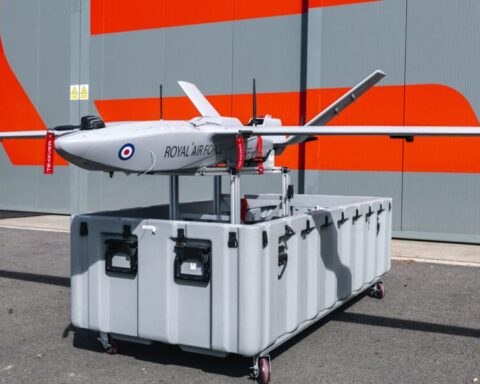
The UK has officially moved its Loyal Wingman program from talk to action. A new notice for Autonomous Collaborative Platforms, Tranche 2, spells out what the Ministry of Defence wants, how much it's planning to spend, and when contracts are expected. It
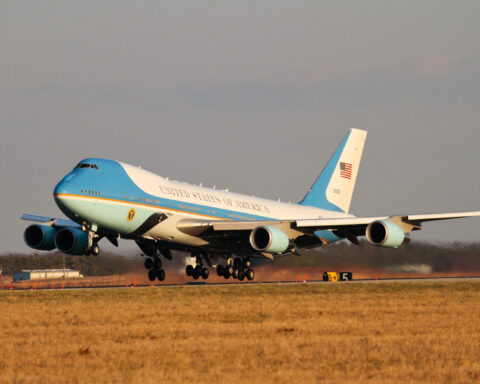
The Air Force just pulled part of its Sentinel missile budget and pointed it at a different job: turning a Qatari Boeing 747-8 into a stop-gap Air Force One. The switch appeared in a Senate hearing on June 26. Secretary of the
Paris closed the gates of Le Bourget last night. Crowds went home with ringing ears and packed phones. When we look at the tally, two facts stand out. Airbus walked away with the bulk of commercial orders. The defense sector filled almost