Air defense has been tested here more than anywhere else. Multi-layer intercept engagements against ballistic missiles, cruise missiles and large drone salvos have been conducted repeatedly in this region, and the resulting data on interception rates, magazine depth and cost per engagement now informs planning well beyond it.
This section covers procurement and force development across the region. Combat aircraft acquisitions, layered air defense, missile and unmanned programs, naval and coastal security, and the domestic manufacturing several states are standing up in place of imports.
Reporting on active operations follows the same rule as everywhere on this site. What a government or an armed group states about a strike or an interception is attributed to it. Independent confirmation is identified as such where it exists, and its absence noted where it does not.
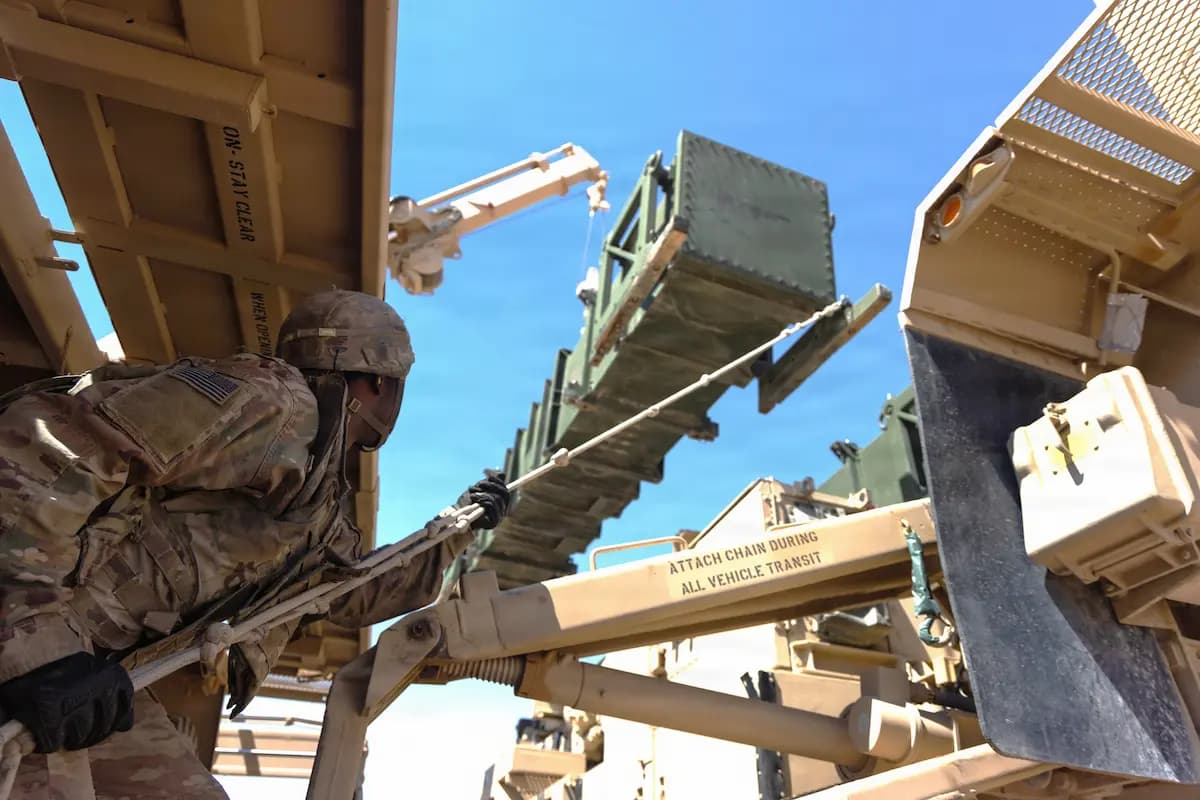
Operation Epic Fury began on 28 February 2026. The figures below were published between March and August 2026 and are attributed to the organisations that produced them. Where sources disagree, both numbers appear. The US Army says it shot down more than
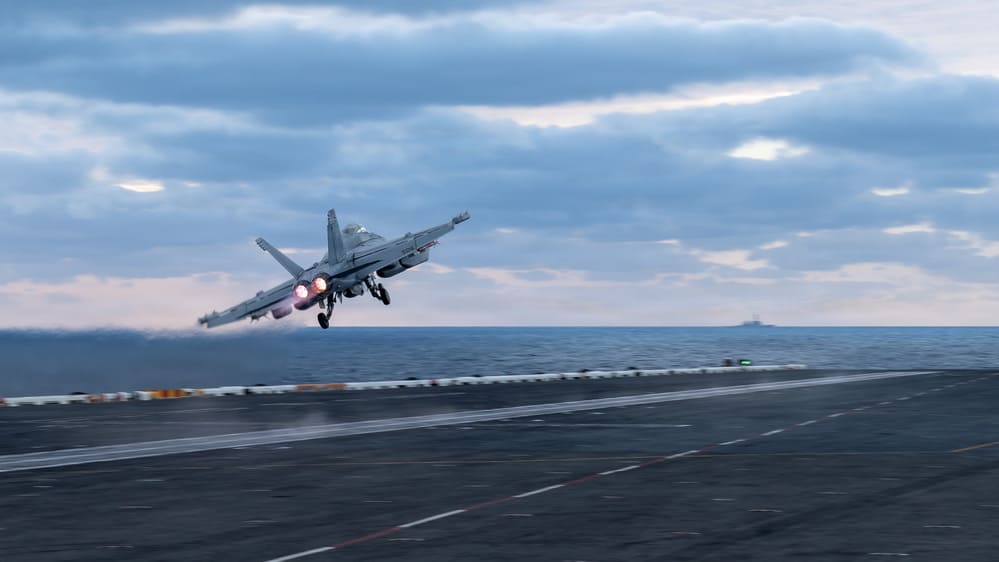
Six US Navy EA-18G Growler jets sat on the ramp today. They parked at the former Naval Station Roosevelt Roads in Ceiba, Puerto Rico. The detachment arrived during a wider US force push across the Caribbean. Senior defense leaders tie it to
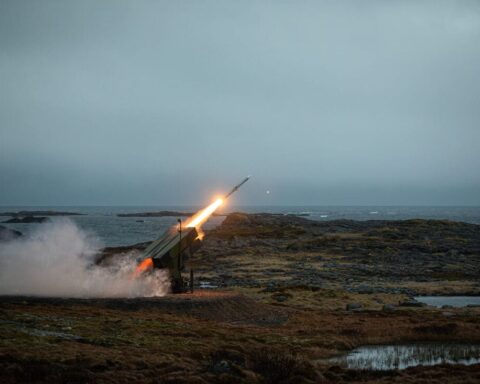
The U.S. State Department approved a $4.67 billion NASAMS sale to Egypt on July 24, 2025. The Defense Security Cooperation Agency sent the notice to Congress that day. The package cover radars, missiles, launchers, support gear, training, and sustainment. It stands among
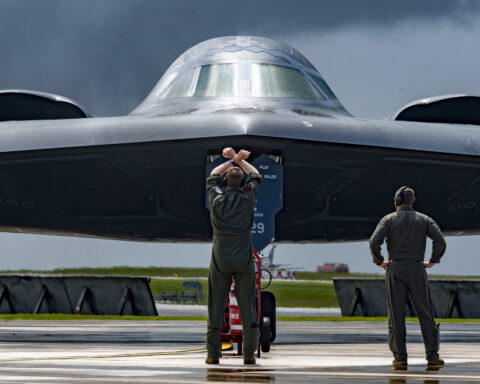
Operation Midnight Hammer, carried out from late Friday into early Sunday, hit the Fordow, Natanz, and Isfahan nuclear complexes. Defense officials confirm seven B-2 Spirit bombers dropped fourteen 30,000-pound GBU-57 bunker-buster bombs, while a guided-missile submarine launched Tomahawk cruise missiles at surface
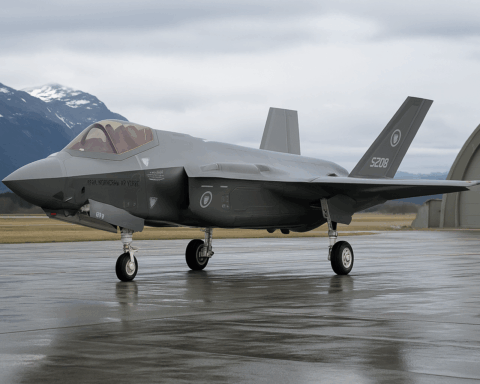
On 23 March the Norwegian Government presented a fresh long-term plan for the Armed Forces. The document repeats the core security goals set after the 2004 re-orientation, yet it answers two new pressures at once: higher front-line costs in Afghanistan and sharper