European rearmament is now a delivery problem rather than a funding one. Allies committed at The Hague in 2025 to reach five percent of GDP by 2035, split between 3.5 percent on core defense and 1.5 percent on infrastructure, cyber and industrial resilience. Budgets rose quickly after that. Ammunition plants, shipyards and qualified welders did not.
This section covers NATO planning and European defense. Capability targets and the national plans meant to meet them, collaborative aircraft and vehicle programs, eastern flank deployments, air and missile defense coverage, and the reopened argument over how much of Europe's equipment should be built in Europe.
Spending pledges are reported alongside what has been contracted and what has been delivered. Those are three different numbers, and the gap between them is the story.
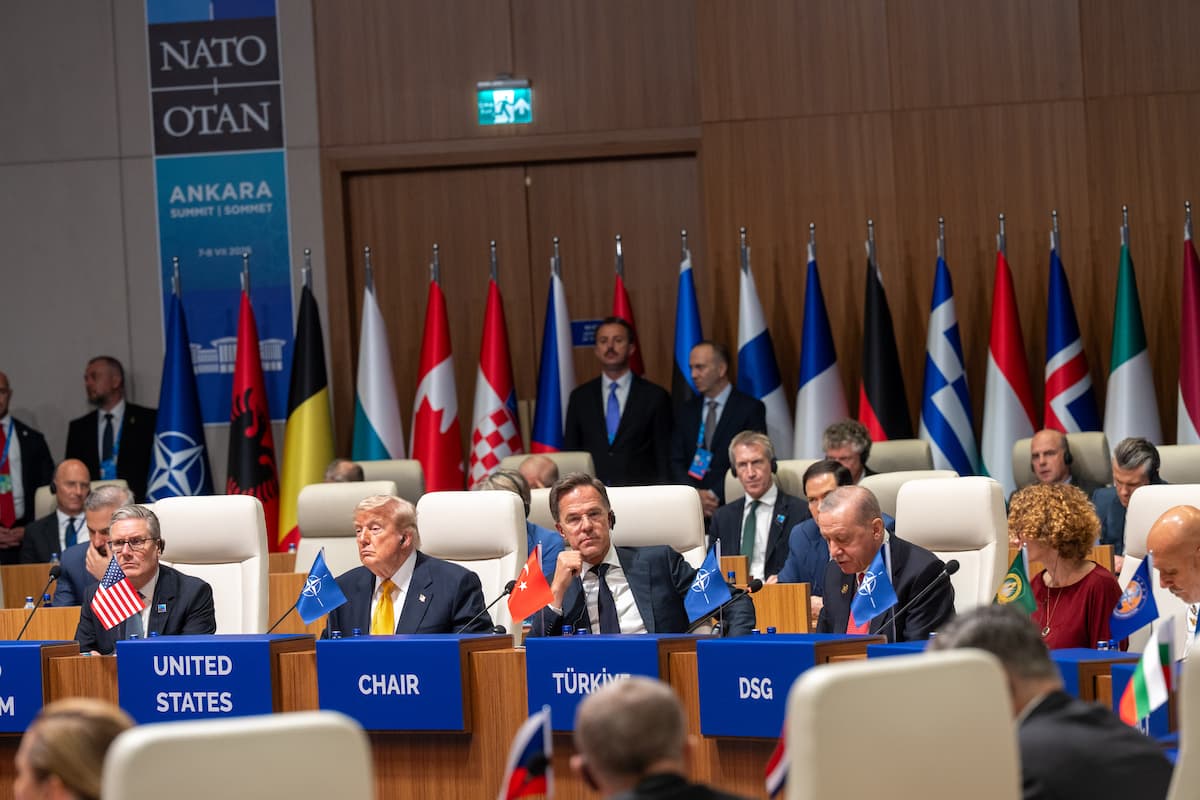
The Ankara Summit Declaration runs to six paragraphs and carries two large figures. It carries no methodology for either one. Reconstructing the denominators from allied and third-party data gives a materially different picture of how much new money left Ankara — and
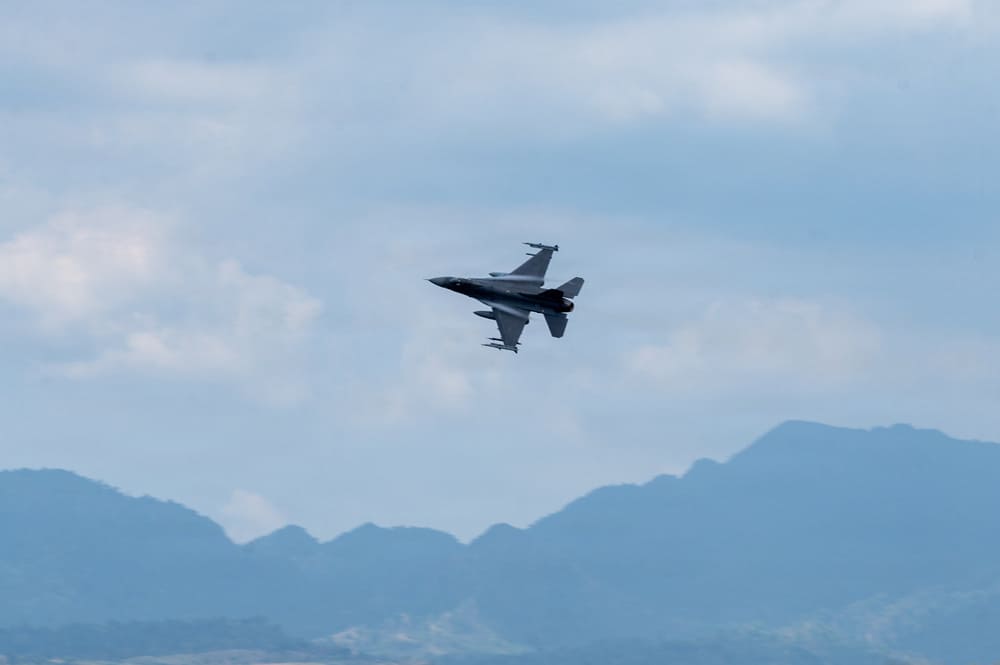
Poland’s General Staff confirmed talks with Ukraine on handing over MiG-29 fighters. The message went public on Dec. 9 through an official statement posted online. It said the aircraft have reached the end of planned use, and upgrades no longer make sense.
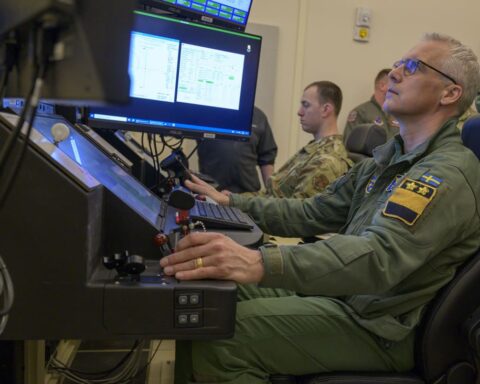
The commander of the Swedish Air Force warned allied capitals that slow development cycles will cost them in a high-end war. “If we can’t develop at a faster pace, if we cannot innovate and learn under pressure like Ukraine does, we may
Lithuania authorized the use of force against balloons entering from Belarus after radar tracked 66 objects overnight, temporarily closed its crossings with Belarus, and signaled possible NATO Article 4 consultations. Prime Minister Inga Ruginienė called the incursions a hybrid attack and said
Allied governments received notice of a partial US drawdown on NATO’s eastern flank. Romania confirmed the first step. US Army Europe and Africa said the 2nd Infantry Brigade Combat Team, 101st Airborne Division, will redeploy to Fort Campbell, Kentucky, and no follow-on
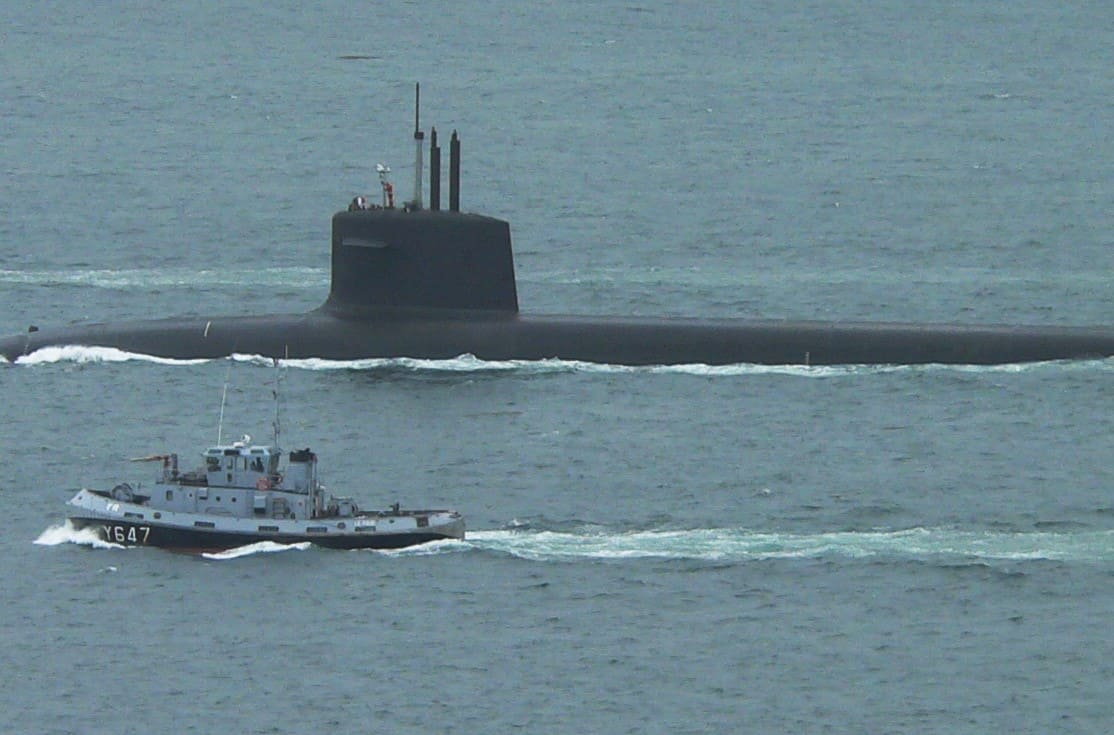
France has placed the M51.3 submarine-launched ballistic missile into operational service. Officials confirm the commissioning order was signed on Oct 24 and announced on Oct 28. The Armed Forces Ministry said this week: “The M51.3 ensures the continued credibility of the ocean-based
European governments just backed the most aggressive defense-spending target in NATO history. NATO leaders left The Hague with a pledge to lift defense spending to 5 percent of gross domestic product. The commitment came only days after several EU capitals pushed double-digit
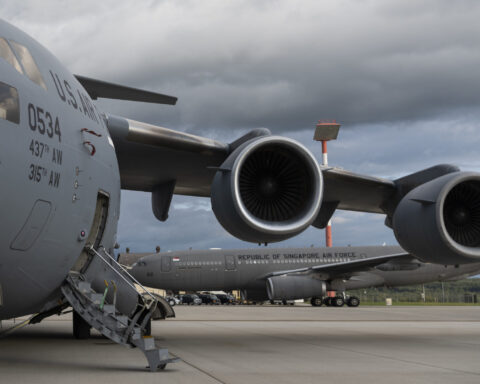
The Multinational MRTT Fleet (MMF) just secured two more Airbus A330 Multi-Role Tanker Transports. The contract, signed on 24 June 2025 at the NATO Defence Industry Forum in The Hague, brings the pooled inventory from ten planned aircraft to twelve. Defense officials
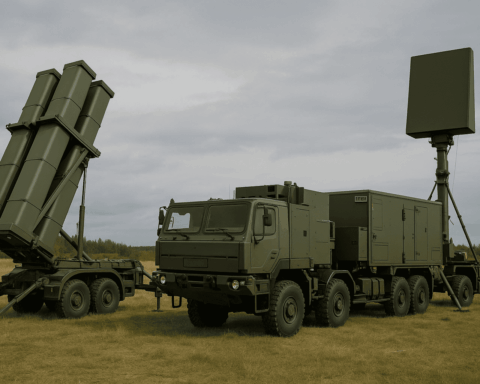
Sweden has taken its first big equipment step as a NATO ally. On 24 June 2025 the Swedish Defence Materiel Administration (FMV) confirmed a €830 million (≈ SEK 9 billion, $900 million) order for seven IRIS-T SLM fire units. Diehl Defence will
France will pour €717 million into Eutelsat Group. The cash comes through the State Shareholdings Agency and lifts the state’s holding to 29.99 percent, just under the takeover threshold. Finance officials frame the move as a hard push for European digital and