Detection is rarely the hard part now. Collection outruns analysis by a wide margin, and the useful question about an ISR system is not what it can see but how long a target takes to move from a sensor to a shooter.
This section covers intelligence, surveillance and reconnaissance across every domain. Reconnaissance aircraft and surveillance drones, ground and maritime radar, electro-optical and infrared sensors, signals collection, sonar, and the fusion layer meant to hold it together.
Revisit rates, cloud cover, spectrum access and processing capacity decide what a system delivers. Coverage attends to those constraints rather than to advertised detection ranges, which are quoted against conditions that rarely apply.
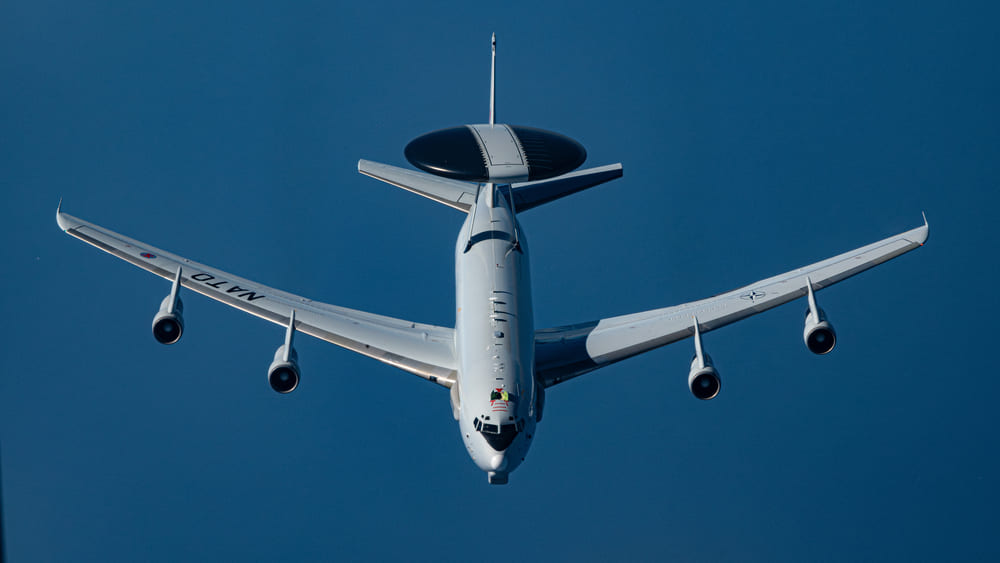
On Dec. 18, 2025, public flight data placed a U.S. Air Force E-3 Sentry off Venezuela’s northern coast after several days in which that aircraft type had not shown with any regularity in the southern Caribbean. The track appeared inside a wider
Singapore has picked a plain yet clever tool to guard its narrow air lanes and busy strait. A tethered, helium-filled aerostat now hangs above western side of island, feeding fresh radar data day and night. Officers call it a long-view eye that
AI & Autonomy covers the processing and automated analysis the volume now requires. Electronic Warfare handles the spectrum side, both collection and denial. The networks that carry the product to a user are in Digital Systems & Software, and sensor contracts and integration work in Defense Industry.