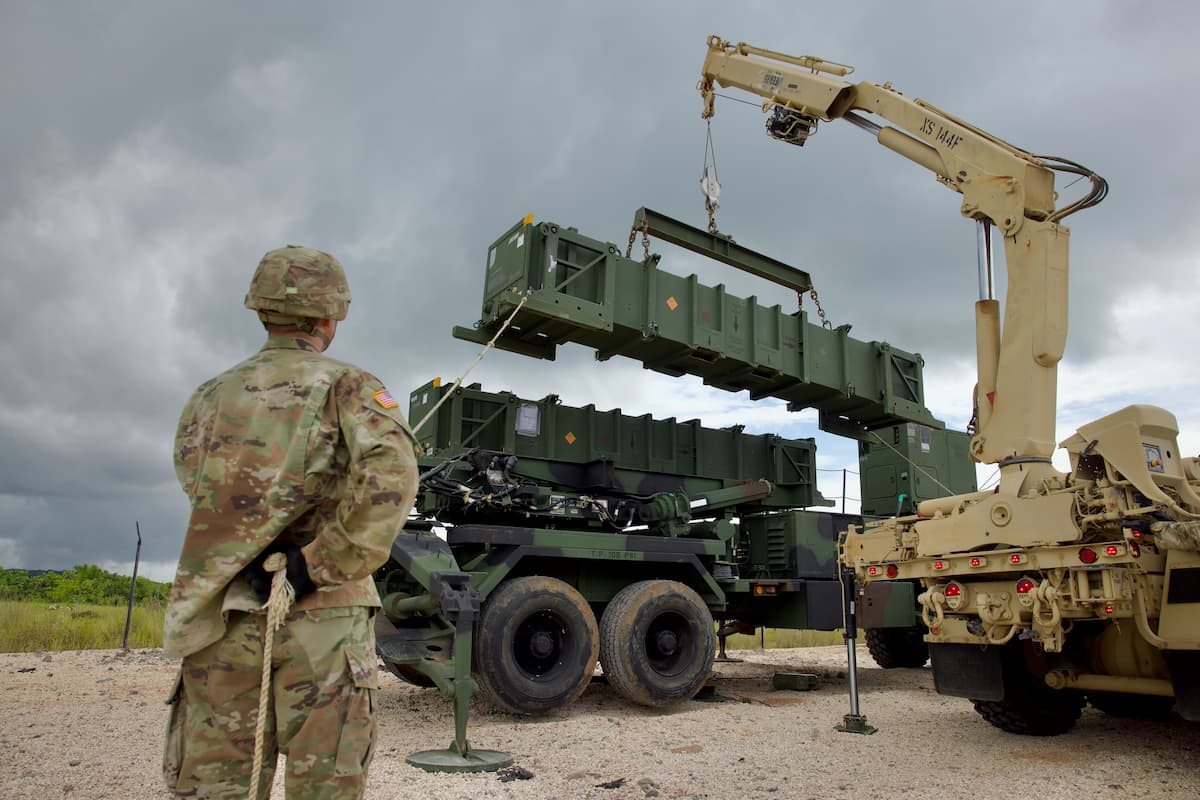
Air defense is an inventory problem disguised as a technology problem. A battery with excellent radar and four remaining interceptors runs out on the second night. Recent operations have shown how quickly a magazine empties against saturation attacks, and how long replacing what was fired actually takes.
This section covers interceptors, sensors and the command layer tying them together. Long-range systems against ballistic threats, medium and short-range cover for maneuver forces, counter-drone effectors, early warning radar, and the fire control that has to decide in seconds which threats are worth an expensive round.
Cost per engagement is treated as a capability figure rather than an accounting detail. Where a defended asset is worth less than the interceptor protecting it, that is the story.
Air & Missile Defense Systems · Analysis · August 2026. Primary source: US Department of War daily contracts bulletin. Inventory figures are think-tank estimates, not disclosed stockpile numbers. The Army’s first PAC-2 buy in thirty years was fully obligated on day one
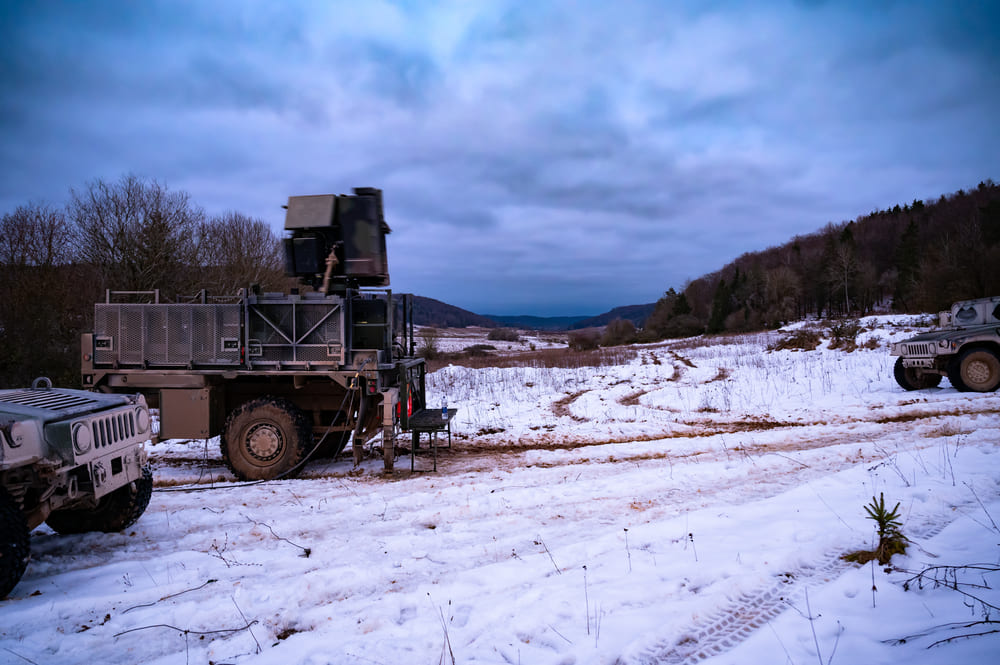
Defense officials confirm the Army will field its first full Sentinel A4 deployment around Washington, D.C. The radar is the AN/MPQ-64A4 variant. It targets low-altitude threats, with emphasis on cruise missiles and drones. The plan surfaced during a Redstone Arsenal event near
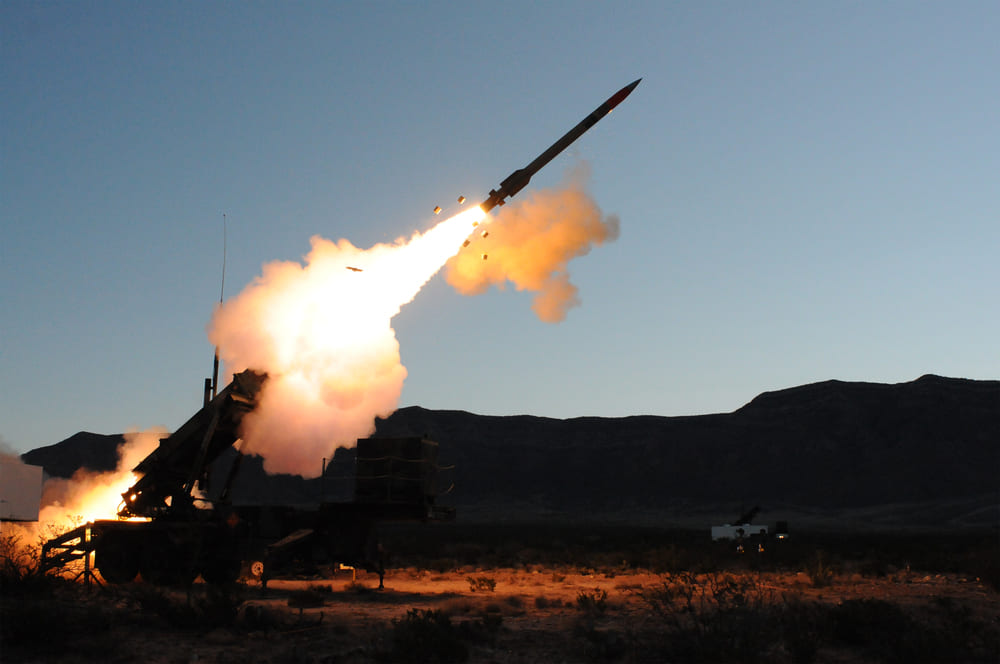
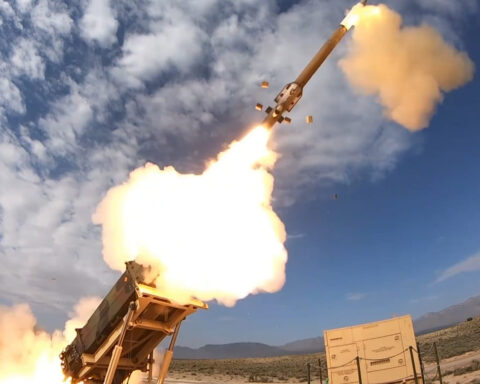
The U.S. Army is tying a new Patriot interceptor effort to a launcher shift toward a more vertical firing profile. The stated goal is an “over-the-shoulder” shot, where a battery can engage a threat that already crossed overhead. Senior leaders heard the
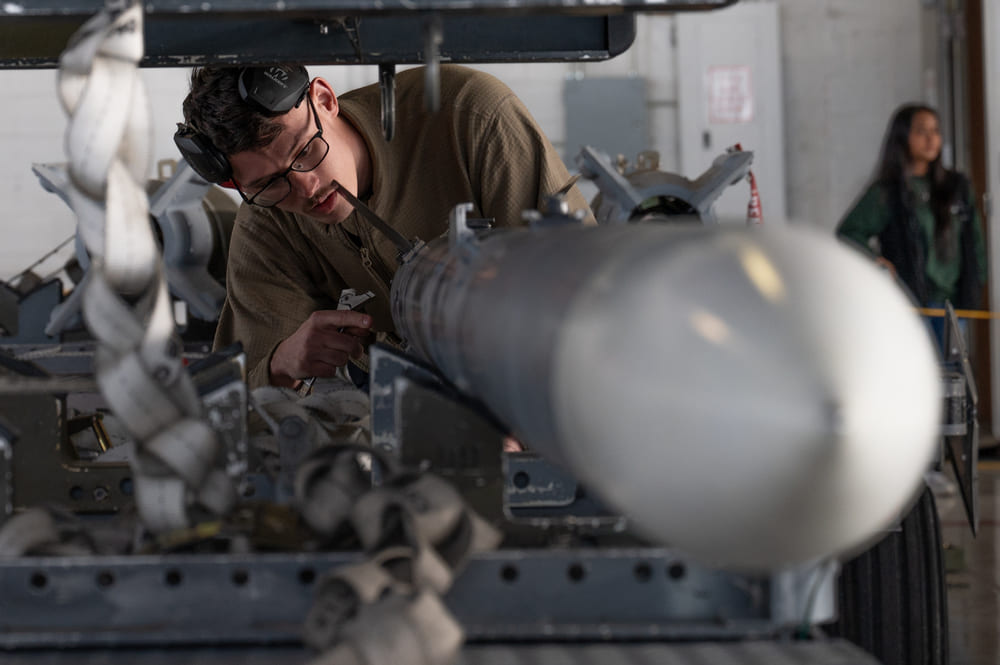
The U.S. Air Force is soliciting industry white papers for a new Counter-Air Missile Program, or CAMP. The service wants a missile with a unit price under $500,000 and the ability to build it in the low thousands per year. The presolicitation
A year after shelving plans for a new Patriot interceptor, the U.S. Army is moving back toward a Lower-Tier Future Interceptor. Maj. Gen. Frank Lozano, the Army’s program executive officer for Missiles and Space, told an audience in Washington he expects support
The Army named Anduril the winner of its competition for a new counter-drone fire-control system run with the Defense Innovation Unit. Defense officials confirm the October 15 selection followed competitive testing. The award covers fire-control software for counter-UAS that fuses sensor tracks
The Air Force will not proceed with a stand-alone Integrated Capabilities Command. Leadership will fold the planned command’s functions into Air Force Futures, the A5/7 organization at the Pentagon, and establish a new Chief Modernization Officer to steer the work. The department
Col. Guy Yelverton, who leads the Army’s counter-drone product office, told an AUSA audience the service will run industry competitions “at least at an every two-year cycle” to match fast-changing threats and reduce delays between demonstrations and fielding. “We need to ensure
Gen. Ingo Gerhartz urged deployment timelines counted in months for counter-drone units across allied territory, using public remarks at the Warsaw Security Forum on Sept 29-30 to press the point. He now commands NATO’s Joint Force Command Brunssum and paired the schedule
ANKARA - Turkey has launched a $1.5 billion expansion centered on Aselsan's new Oğulbey Technology Base, an integrated campus officials describe as the largest single defense industry investment in the country and Europe's biggest air-defense complex. The project is tied directly to
Missiles / Drones / Directed Energy covers what these systems are built to stop, from cruise missiles to one-way attack drones, along with the laser and microwave effectors offered as an answer to the cost-per-shot problem. The radars and early warning networks feeding an engagement are in Surveillance & Reconnaissance.