Capacity is the constraint nobody budgets for. A government can fund an artillery order in a single appropriation and still wait four years for shells, because the bottleneck sits in propellant chemistry, or in the handful of presses anywhere in the country that can forge a barrel.
This section covers the physical side of defense production. Shipyards and dry-dock availability. Final assembly lines, ammunition plants, foundries, the qualified-supplier lists that turn out to have one name on them. Then the slower problems: welders who take three years to certify, machine tools ordered against 90-week lead times.
Announcements about doubling output get checked against what the plant floor has actually installed.
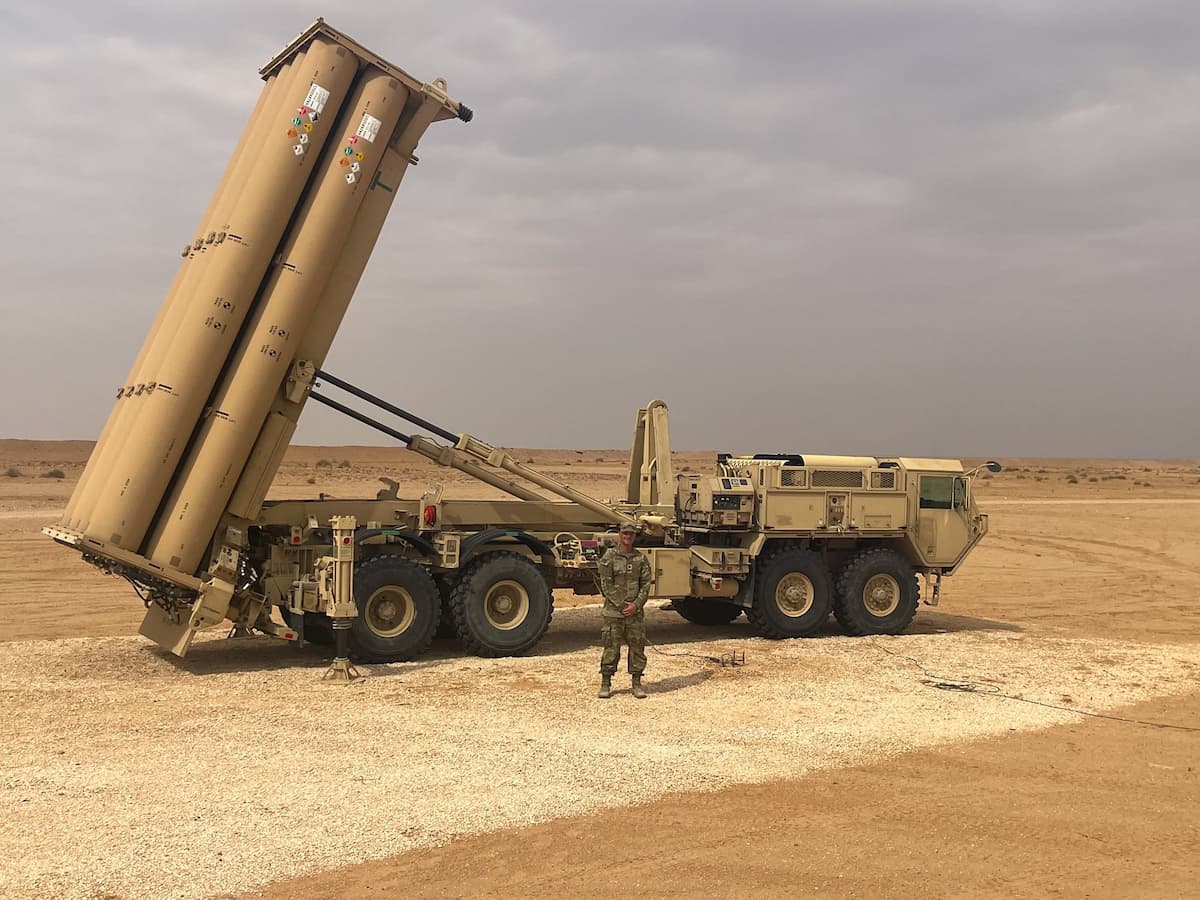
The factories rebuilding Patriot and THAAD stocks are running on a dated, public paper trail. The stocks themselves are the subject of a public fight between a cable network and the Secretary of War. Neither argument settles what Congress has actually paid
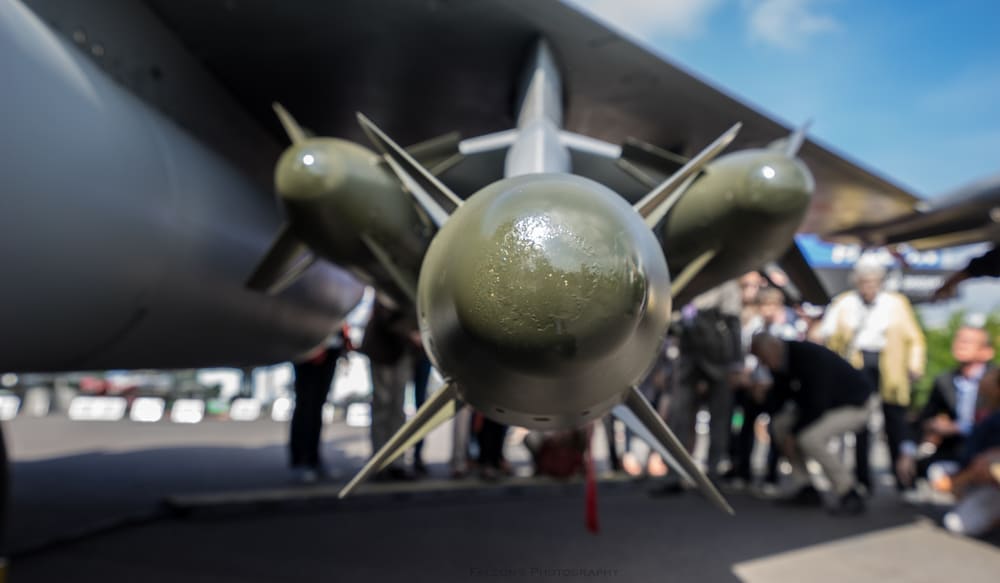
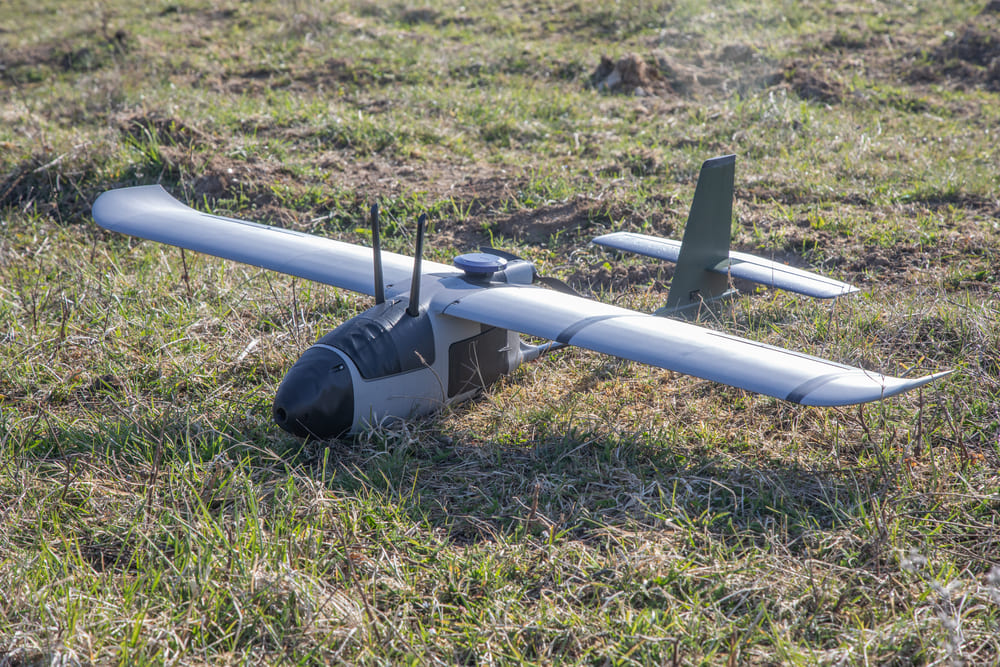
MBDA published the first photograph of its Thundart 227mm guided artillery rocket — a test round displayed on St. Barbara’s Day, the feast day recognized in France as the patron saint of artillery operators. The image arrived as European missile house MBDA
JERUSALEM – Prime Minister Benjamin Netanyahu set a goal on September 15 to drive far greater self-reliance in weapons production, using the “super-Sparta” line to describe the end-state. He paired the appeal with a warning on possible foreign blocks to arms supplies.
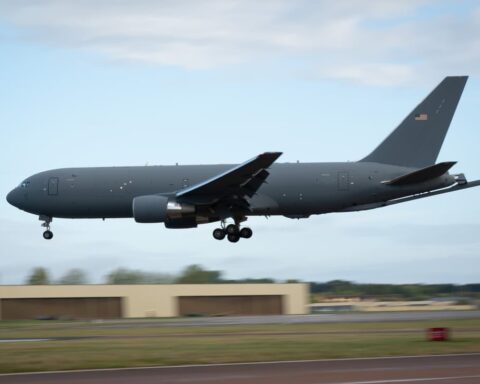
Boeing reported about $23.3 billion in third-quarter revenue, including a core loss driven by a $4.9 billion charge tied to the commercial 777X program’s updated certification schedule. Free cash flow was slightly positive, and the FAA cleared a step-up of 737 production
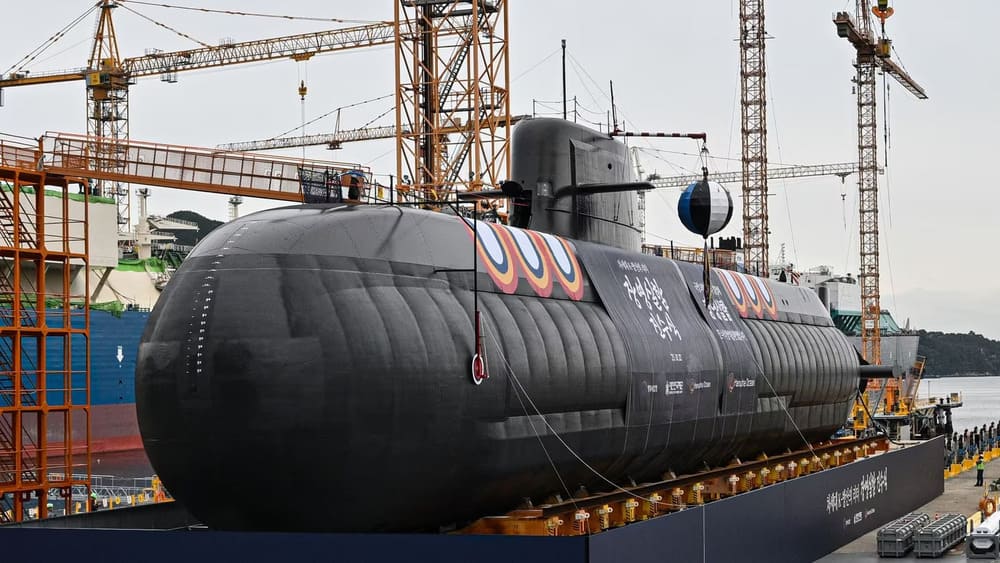
South Korea launched ROKS Jang Yeong-sil (SS-087) on Oct 22 at Hanwha Ocean’s Geoje yard. It is the first KSS-III Batch II boat, a domestically built 3,600-ton class. The Navy and Defense Procurement Agency led the ceremony and set delivery for late
The Army aims to turn its organic base into a distributed network that builds small drones by the tens of thousands per month. Leaders set a near-term stretch goal of 10,000. The plan leans on additive manufacturing, faster tooling, and a parts
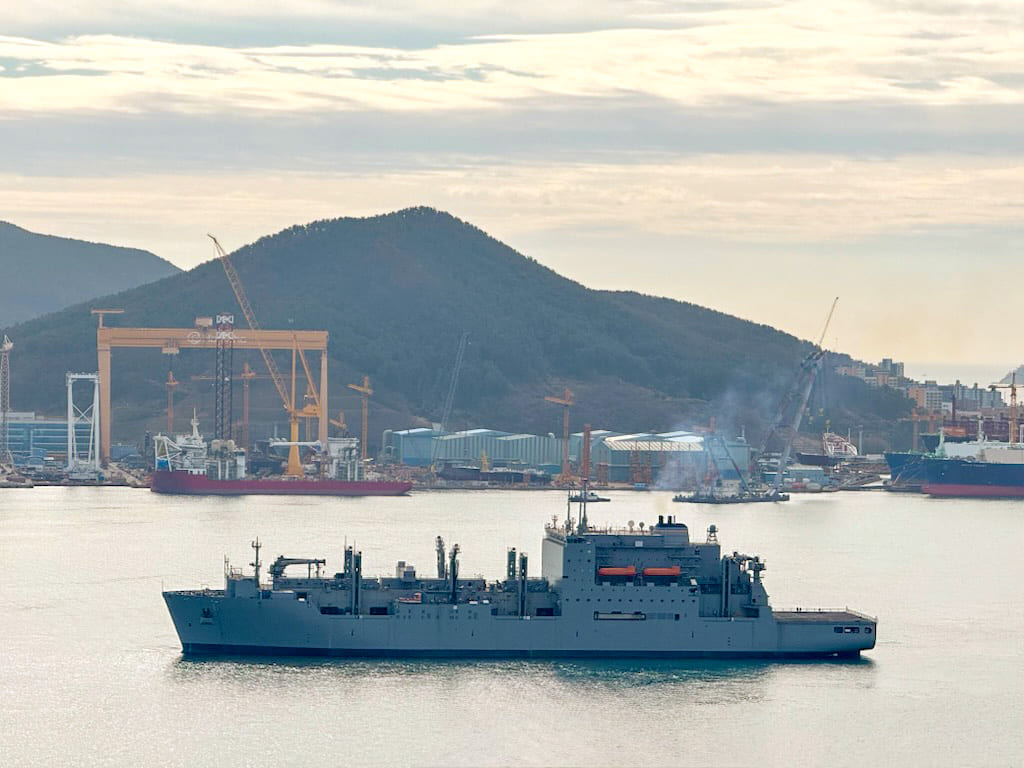
Korea Investment Week in Seoul ran from Sept. 9 to 12 and produced shipbuilding announcements with direct bearing on U.S. yards and Navy sustainment. Hanwha confirmed a multibillion-dollar expansion at its Philadelphia yard and outlined a Busan-centered maintenance program for U.S. naval
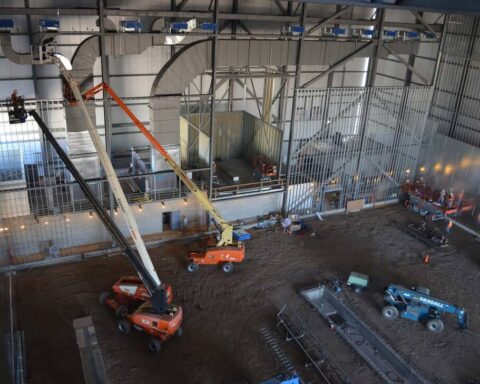
The U.S. Air Force is preparing to break ground on hundreds of new silos for its LGM-35A Sentinel program while pressing toward the next major test event for the B-21 Raider. Senior leaders point to time and cost gains from building fresh
More than 3,200 machinists at Boeing's defense plants in the St. Louis area went on strike just after midnight, early Monday, August 4. The union-IAM District 837-had voted down a new four-year contract the day before.
On July 24, Italy moved forward with a major defense project as L3Harris Technologies and ELT Group signed an agreement to build Europe's first multi-sensor calibration and flight-test center. The signing took place inside a Ministry of Defense hangar in Rome. The
Defense Industry sets the wider context for industrial policy. What the plants are being paid to build shows up in Contracts & Deals. Industrial Partnerships covers licensed production abroad, which is often a faster route to capacity than a new domestic line.
Land Systems and Naval Systems are where shortfalls become visible first, in shell consumption and in shipbuilding schedules. The clearest live test of any of it remains the Russia-Ukraine War section. Reports & Analysis carries the audit findings on production shortfalls.