A defense budget is three documents pretending to be one. There is the request, the enacted appropriation, and the amount finally obligated, and they routinely differ by billions. A program can be fully funded on paper and still spend the year unable to place an order because the money arrived under a continuing resolution.
This section follows military spending in that detail. Budget requests and their justification books, appropriations and authorization acts, supplementals, unfunded priority lists, multi-year procurement authority, and the reprogramming that moves money after the fact.
Budget documents remain the most reliable early indicator of what a force will look like. A quantity cut in a justification book usually appears in the press eighteen months later as a program restructure.
The FY2027 request was released by OMB on 3 April 2026, with the detailed Department of War rollout on 21 April. Figures below reflect the request as of that rollout. Congressional markup was ongoing at the time of writing — verify against
Switzerland has told its defense ministry to stay inside the six billion Swiss franc cap for its new fighter purchase, even if that means buying fewer than the planned 36 F-35A Lightning II jets. The Federal Council said it wants the highest
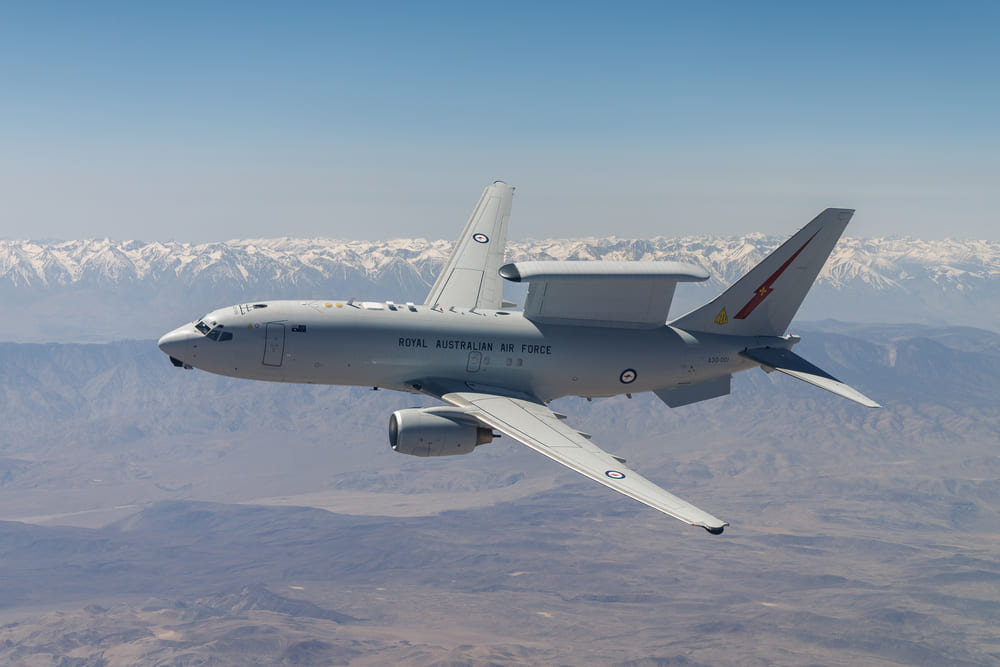
Draft language in the fiscal 2026 National Defense Authorization Act would block the Department of Defense from ending the Air Force’s E-7A Wedgetail effort during fiscal 2026. The same draft would also stop the Air Force from retiring any E-3 Sentry aircraft
New language attached to the Fiscal Year 2026 National Defense Authorization Act orders the U.S. Air Force to explain how it will keep the Airborne Command Post mission, often called Looking Glass, after the Navy begins retiring the E-6B Mercury fleet. The
Congress has released a 2026 defense policy bill that keeps a Ukraine line, but at a much lower level than in earlier years. The new National Defense Authorization Act (NDAA) sets a $900 billion Pentagon budget. It includes $400 million per year
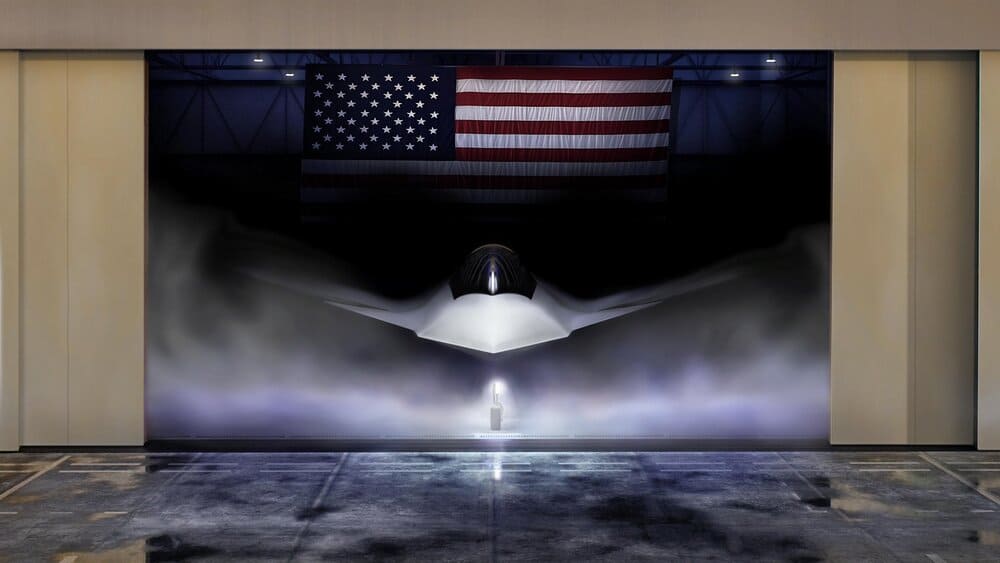
A defense policy law signed on Dec. 18, 2025 kept the U.S. Navy’s F/A-XX carrier fighter alive on paper, yet it left the program close to the Pentagon’s earlier plan to slow it down. The same law also ordered a deep Air
The Senate confirmed Gen. Kenneth S. Wilsbach as the 24th Chief of Staff of the United States Air Force following Gen. David W. Allvin’s early retirement effective around November 1. The Senate approved the nomination by unanimous consent on October 30 after
A six-page draft memo obtained by multiple defense outlets lays out what could become the most extensive overhaul of Pentagon procurement in decades. The document, titled “Transforming the Warfighting Acquisition System to Accelerate Fielding of Capabilities,” centers on one priority: speed. Defense
President Donald Trump sent the nomination of Lt. Gen. Jason T. Hinds to the Senate on September 29 to command U.S. Air Forces in Europe-Air Forces Africa. The billet is redesignated at the lieutenant general grade, so Hinds would not receive a
Lt. Gen. Sean Gainey said the Army has broadened the Space and Missile Defense Command’s role beyond the Ground-based Midcourse Defense mission to include all air and missile defense threats. “We did grow in responsibility,” he said. “The ground-based midcourse defense mission