European rearmament is now a delivery problem rather than a funding one. Allies committed at The Hague in 2025 to reach five percent of GDP by 2035, split between 3.5 percent on core defense and 1.5 percent on infrastructure, cyber and industrial resilience. Budgets rose quickly after that. Ammunition plants, shipyards and qualified welders did not.
This section covers NATO planning and European defense. Capability targets and the national plans meant to meet them, collaborative aircraft and vehicle programs, eastern flank deployments, air and missile defense coverage, and the reopened argument over how much of Europe's equipment should be built in Europe.
Spending pledges are reported alongside what has been contracted and what has been delivered. Those are three different numbers, and the gap between them is the story.
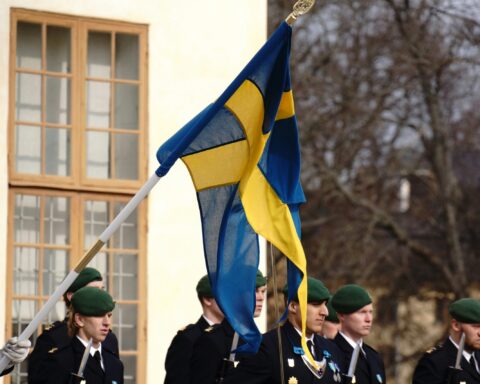
Sweden will now aim to spend 3.5 percent of its gross domestic product on defense by 2032 instead of 2030. Officials confirmed the shift late Wednesday, only five days before NATO leaders gather in The Hague.
Lockheed Martin has entered a surge phase. More missiles leave its U.S. plants than ever, yet demand still outruns capacity. The company now courts European manufacturers to spread the load. According to industry sources, senior executives used the Paris Air Show this
Prime Minister Mark Carney has broken from decades of caution. He pledged an extra US $6.6 billion (CA $9 billion) for the Department of National Defense in the current fiscal year, moving Canada to the NATO 2 percent-of-GDP benchmark by April 2026
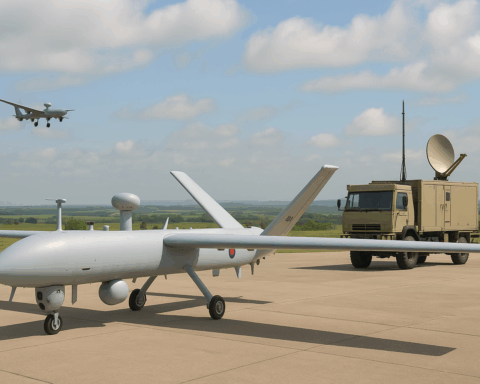
The Ministry of Defence has signed a £700 million agreement with Thales UK to develop, manufacture, and support the Watchkeeper unmanned system. The single signature secures every major phase of work, from completing design through initial sustainment, under one integrated schedule.