An air force buys a fighter once and pays for it for forty years. The purchase price is the smallest part of that, which is why fleet decisions turn on sustainment cost, spares depth and depot throughput more than on any performance figure in the brochure.
This section follows military fixed-wing aviation. Fighters, bombers, transports, trainers, purpose-built early warning and reconnaissance types. Procurement competitions and their outcomes. Upgrade programs, structural life extensions, and retirements that get delayed because the replacement is late.
Delivery counts and mission-capable rates are reported when a service or an auditor publishes them, and left out when nobody has.
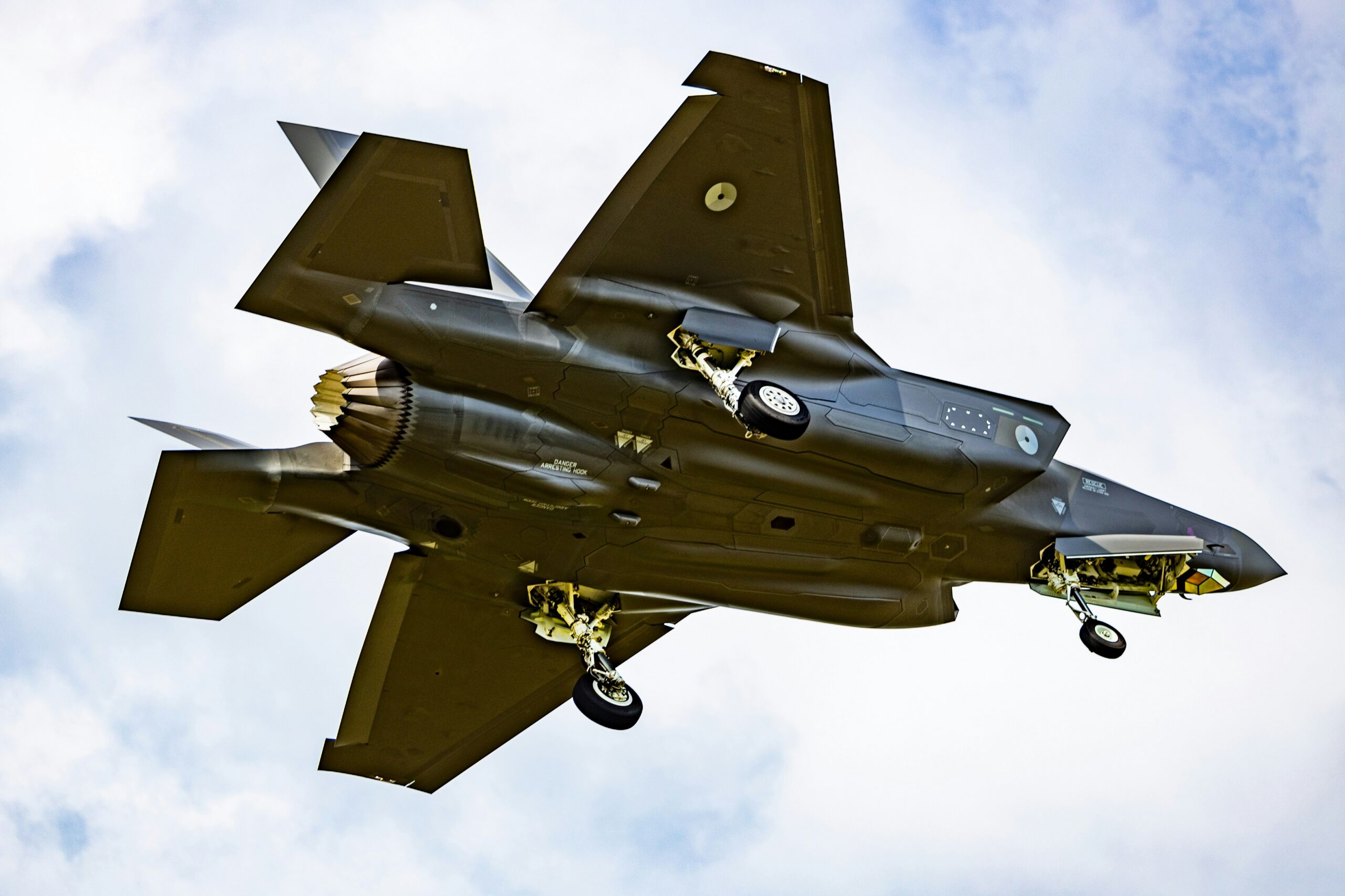
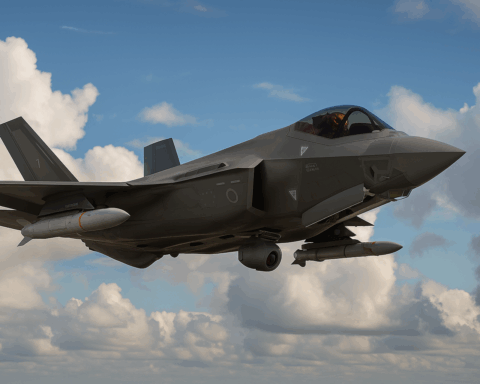
The Pentagon just raised the F-35 bill again. Numbers inside its fresh acquisition report point to $438 billion for development plus production. Last year they put the figure at $412 billion. Now planners must live with extra $26 billion—they said inflation and
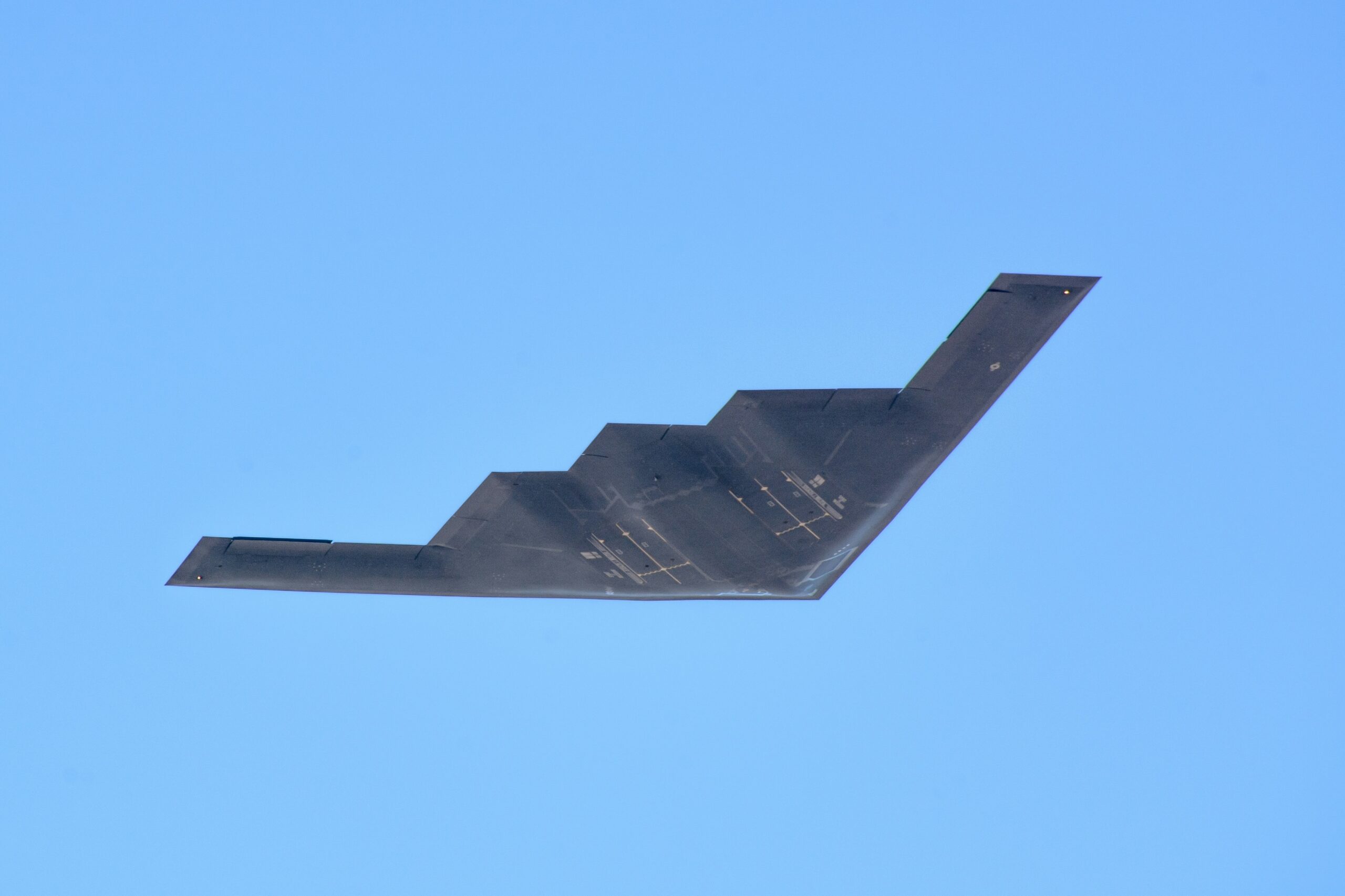
The B-2 Spirit edges into a new era. Air Force engineers push the bomber toward a fresh role—striking vehicles that refuse to sit still. The project looks dry on paper, yet it shifts how commanders think about fast raids. Crews on the
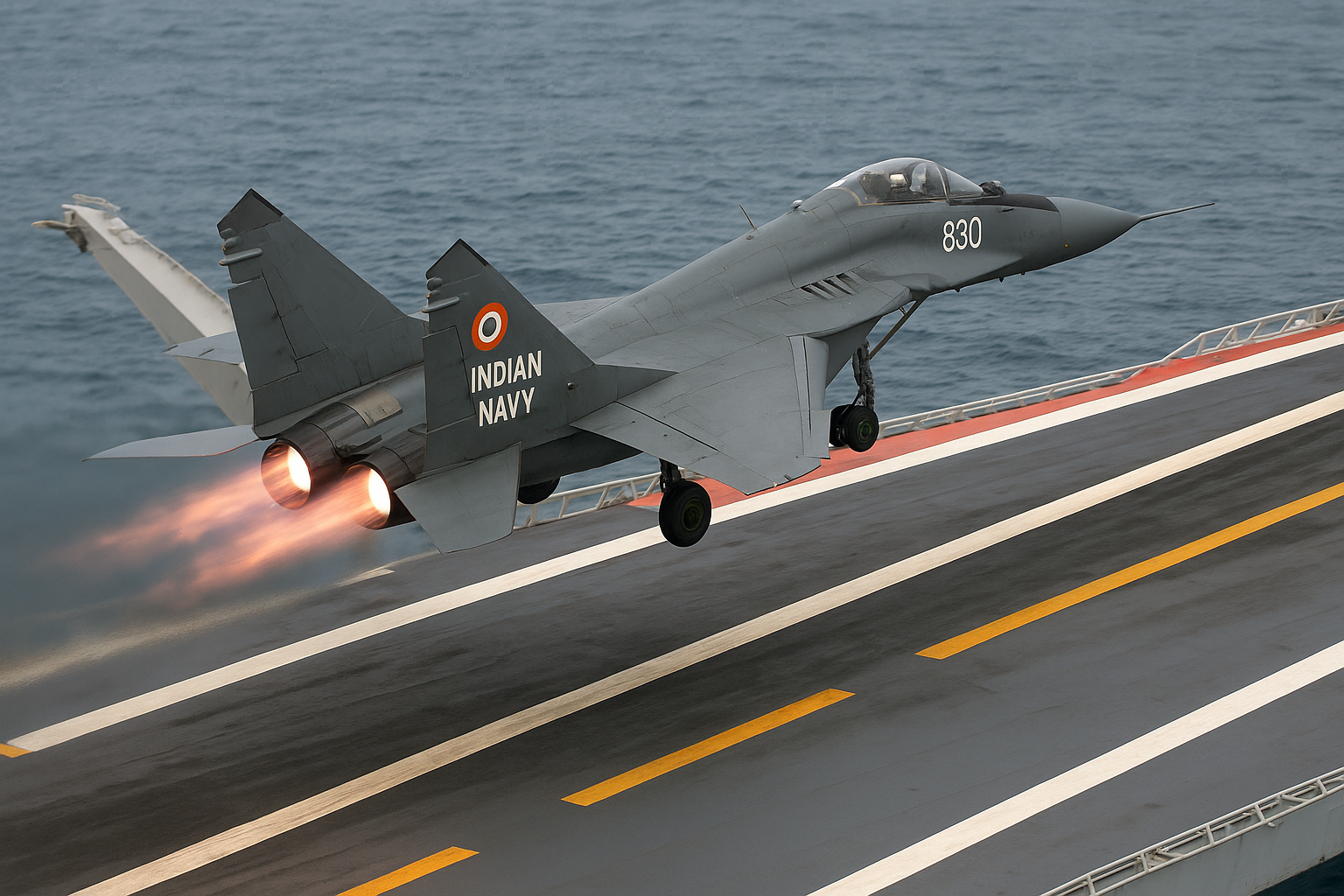
The Indian Navy has fought hard to keep its carrier aviation alive after retiring the Sea Harrier. MiG-29K fighters now fill that hole on INS Vikramaditya and the soon-to-sail INS Vikrant. Admiral Sunil Lanba told reporters on the eve of Navy Day
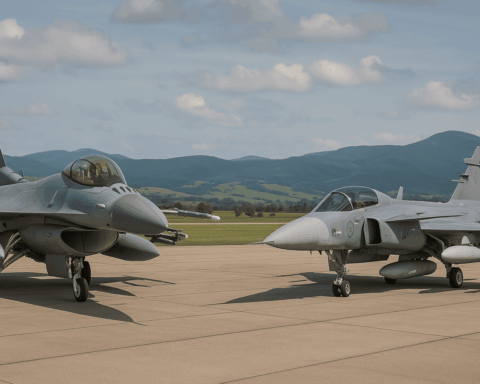
Slovakia has reached the point of decision after more than a decade of debate over its MiG-29 replacement. Formal offers now sit on the defence minister’s desk from two camps: Lockheed Martin with the F-16V Block 70/72 and Sweden’s Saab with the
Lockheed Martin’s F-35 program has drawn thousands of reader remarks on Aviation Week since the aircraft reached initial service. The most pointed thread this week grew out of a comment by retired Marine officer Don Bacon. He noted that “150 to 160
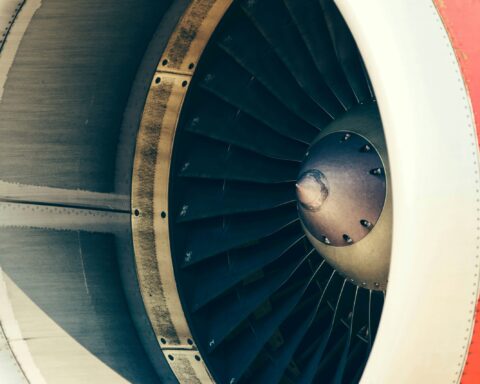
The F-35 promised reach without rival, yet its heart - Pratt & Whitney’s F135 - burns fuel like an older design. Thrust-specific fuel consumption (TSFC) shows why. The F100-PW-229 that powers late-model F-15s and F-16s clocks 0.726 lb/hr/lb. The F135 sits at
Lockheed Martin’s F-35 is America’s most expensive weapons project. After fifteen years in development, the jet is still not ready for the fight the services expect. A confidential memorandum dated Aug 9 from Dr. Michael Gilmore, the Defense Department’s Director of Operational
The Pentagon’s Director of Operational Test and Evaluation has sent fresh shockwaves through the F-35 community. His memo to senior leaders says the Joint Strike Fighter remains far from its promised combat edge even though the U.S. Air Force just marked the
Early F-135 advocates promised a smooth learning curve. They said each production lot would cost less than the one before. Fresh data show the opposite. Unit prices still hover near $30 million, even though annual output has more than doubled since 2011.
Foreign air forces that bought the F-35A woke up this week to a blunt statement from Major Gen. Jeffrey Harrigian, the U.S. Air Force officer who runs the program. He told Reuters on April 7 that engineers had started scoping a new