An air force buys a fighter once and pays for it for forty years. The purchase price is the smallest part of that, which is why fleet decisions turn on sustainment cost, spares depth and depot throughput more than on any performance figure in the brochure.
This section follows military fixed-wing aviation. Fighters, bombers, transports, trainers, purpose-built early warning and reconnaissance types. Procurement competitions and their outcomes. Upgrade programs, structural life extensions, and retirements that get delayed because the replacement is late.
Delivery counts and mission-capable rates are reported when a service or an auditor publishes them, and left out when nobody has.
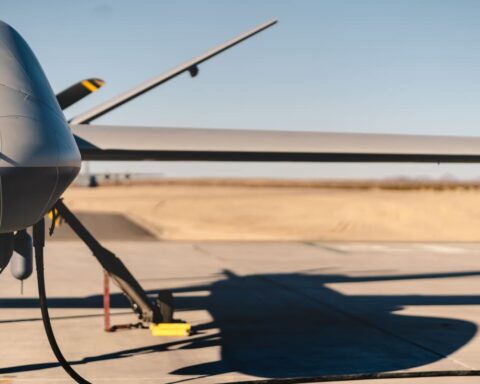
Belgium's lead MQ-9B SkyGuardian arrived at Florennes Air Base on 18 August, flown from the United States inside a Belgian A400M. Defence officials say the airframe passed its acceptance test on 22 July before the ferry flight. The Air Component will unveil
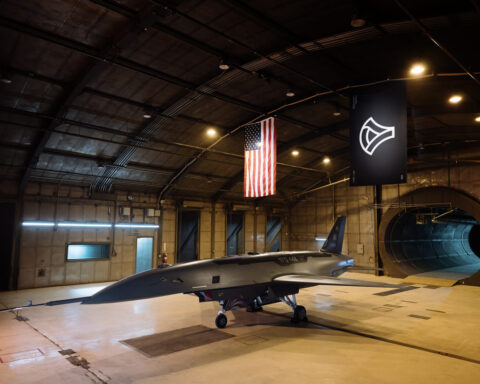
The Air Force's two Collaborative Combat Aircraft prototypes have entered the first-flight window. General Atomics Aeronautical Systems' YFQ-42A and Anduril Industries' YFQ-44A completed engine runs and taxi trials over the summer, and are staged at their respective test sites pending weather, range
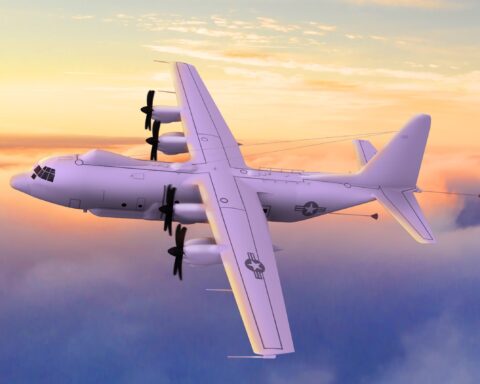
The Navy has given its next-generation nuclear command-and-control aircraft a name: Phoenix II. The service announced the designation on Aug. 7, 2025 and tied the choice to the C-130 family's long service in related roles. The airframe will form the backbone of
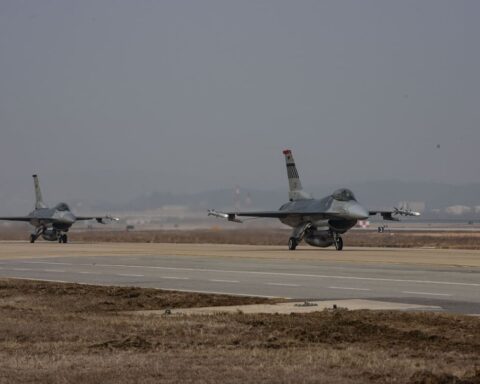
The Air Force is transferring F-16s and personnel from Kunsan Air Base to Osan Air Base to form a second "super squadron" in South Korea. The service describes the transfer as temporary and tied to a defined year-two trial.
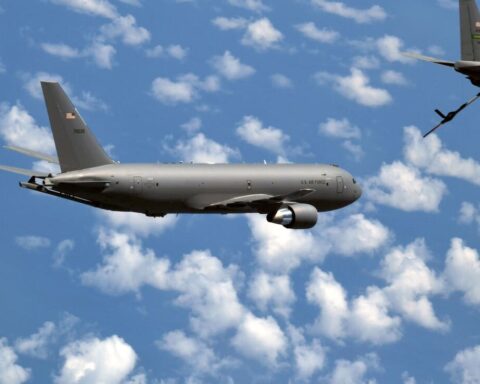
The U.S. Air Force has authorized an extension to KC-46A production for up to 75 additional aircraft. Senior leaders announced this decision in the past two weeks to sustain the tanker recapitalization line once the current contract expires. Under the original 2011
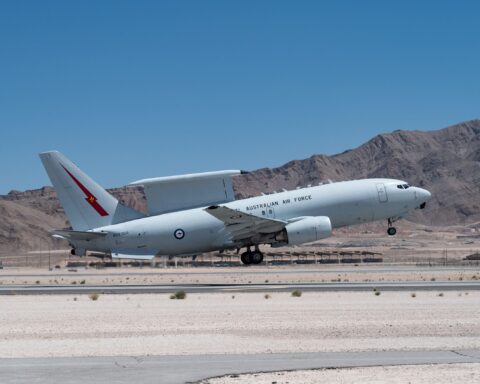
The U.S. Air Force has decided to halt the E-7 Wedgetail airborne early-warning and control program, ending a three-year effort to replace the aging E-3 Sentry fleet with a more modern, radar-equipped 737 derivative. Defense officials disclosed the move during the FY-26
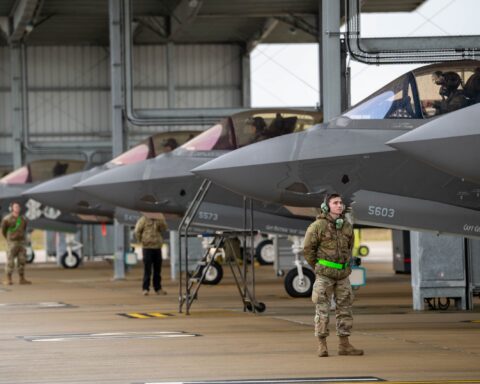
The United Kingdom confirmed it will acquire at least twelve F-35A Lightning II fighters, adding a land-based nuclear mission to the Royal Air Force for the first time since 1998. Defense officials confirm the jets will form part of NATO's Dual-Capable Aircraft
The Defense-Aerospace editorial team has confirmed that Lockheed Martin is pressing ahead with the Hybrid Base Station upgrade for its Sniper Advanced Targeting Pod. The move clears a long-standing barrier that limited how much targeting and sensor data an F-35 could pass
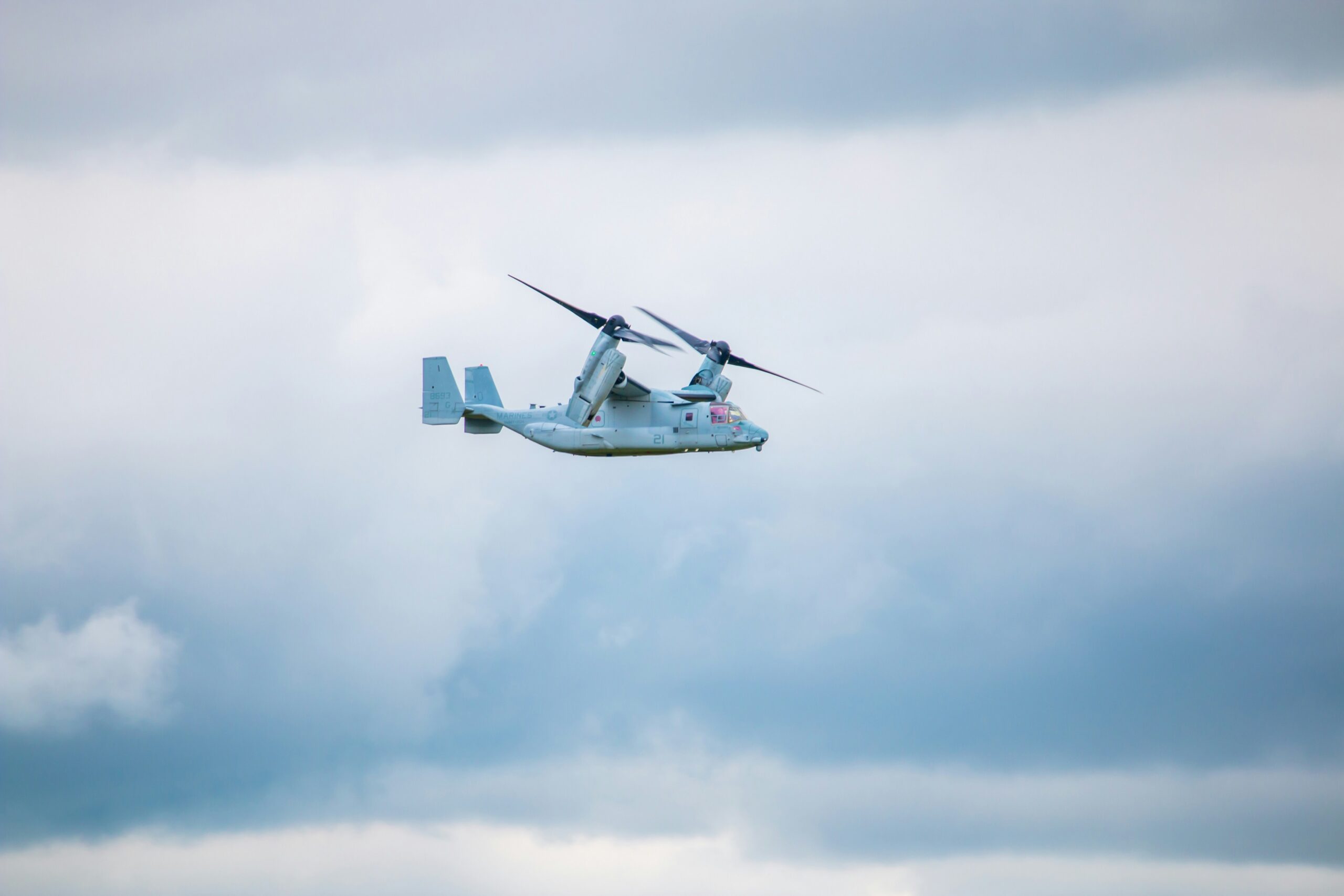
The T406 engine reached a solid 500-hour record on one Osprey in mid-August last year. It happened during normal line ops, not a test flight. The count feels modest next to jetliner totals, yet inside tiltrotor work it signals tough stamina. Dust
Lockheed Martin reshaped a small yet vital slice of the F-35 frame. The fresh FS425 bulkhead now backs bigger bombs inside the jet. Crews hope the tweak keeps radar print low while packing harder punch. Work moved quick during late-2023 and spread