Autonomy in the field is mostly narrow and mostly unglamorous. Terminal guidance that keeps working after the link drops, a route planner, an automatic target recognizer that flags candidates for a human. The systems that get fielded are the ones a crew already trusts, which is a slower path than any procurement schedule assumes.
This section covers military AI and autonomous systems. Collaborative combat aircraft, uncrewed surface and underwater vessels, ground robots, automated intelligence processing, decision support, predictive maintenance, and the test and assurance work needed before any of it goes near a weapon.
Claims about autonomy levels get checked against what an operator can actually delegate. Most fielded systems remain a long way from the description in the press release.
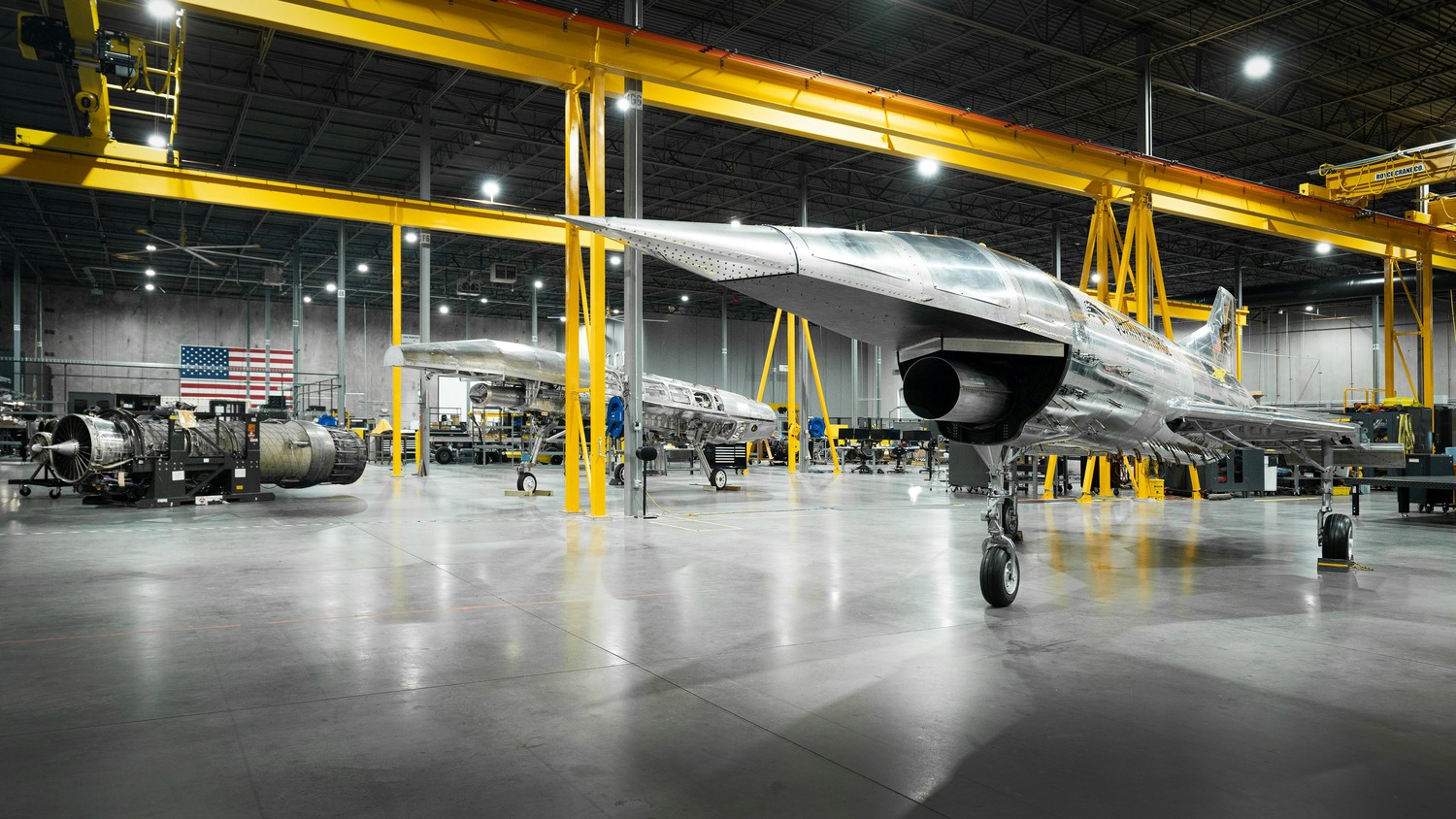
PARIS - Collaborative Combat Aircraft, or CCAs, stepped onto the world stage this week at the Paris Air Show. Two full-scale mock-ups - Anduril’s Fury YFQ-44 and General Atomics’ YFQ-42 - drew steady crowds. Executives from both firms stressed one message: Europe
Prime Minister Pedro Sánchez has notified NATO headquarters that Spain will not accept a future rule requiring every ally to channel five percent of national output into defense. His letter, delivered late Thursday to Secretary-General Mark Rutte, calls the target “unreasonable” and
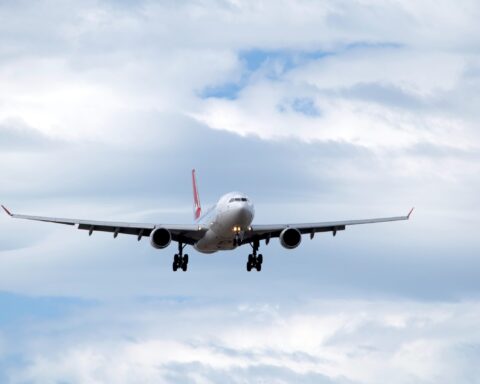
Airbus used the mid-week peak of Le Bourget to firm up two programs that matter to every logistics planner on the continent. The A330-800neo Multi-Role Tanker Transport Plus (MRTT+) moved closer to launch as production leaders laid out a clear ramp-up plan.
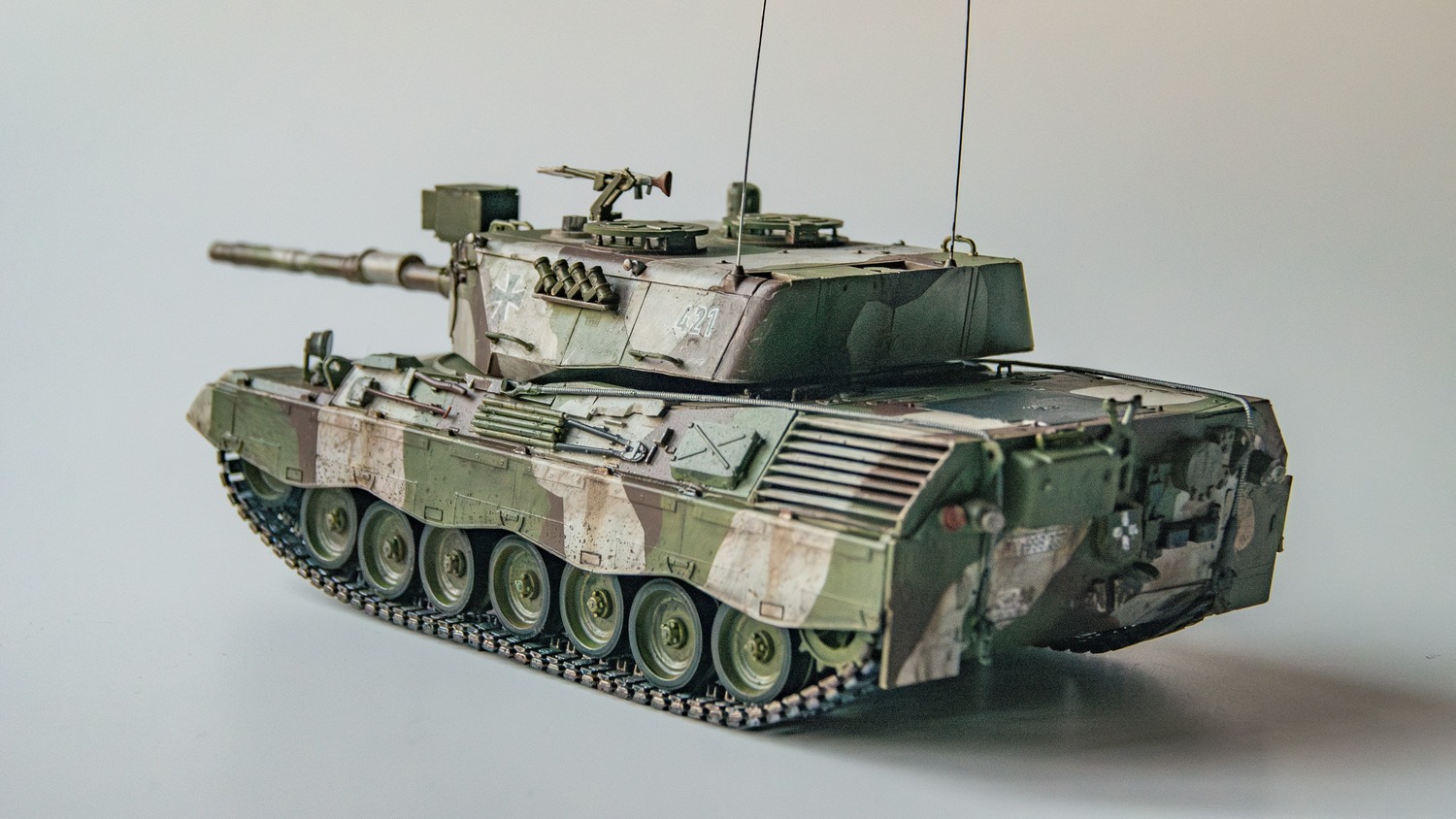
France and Germany have released a revised outline for the Main Ground Combat System (MGCS), the two-nation effort meant to retire the Leclerc and Leopard 2 fleets by the mid-2040s. Defense staff says the update locks roles, targets fresh trials, and places
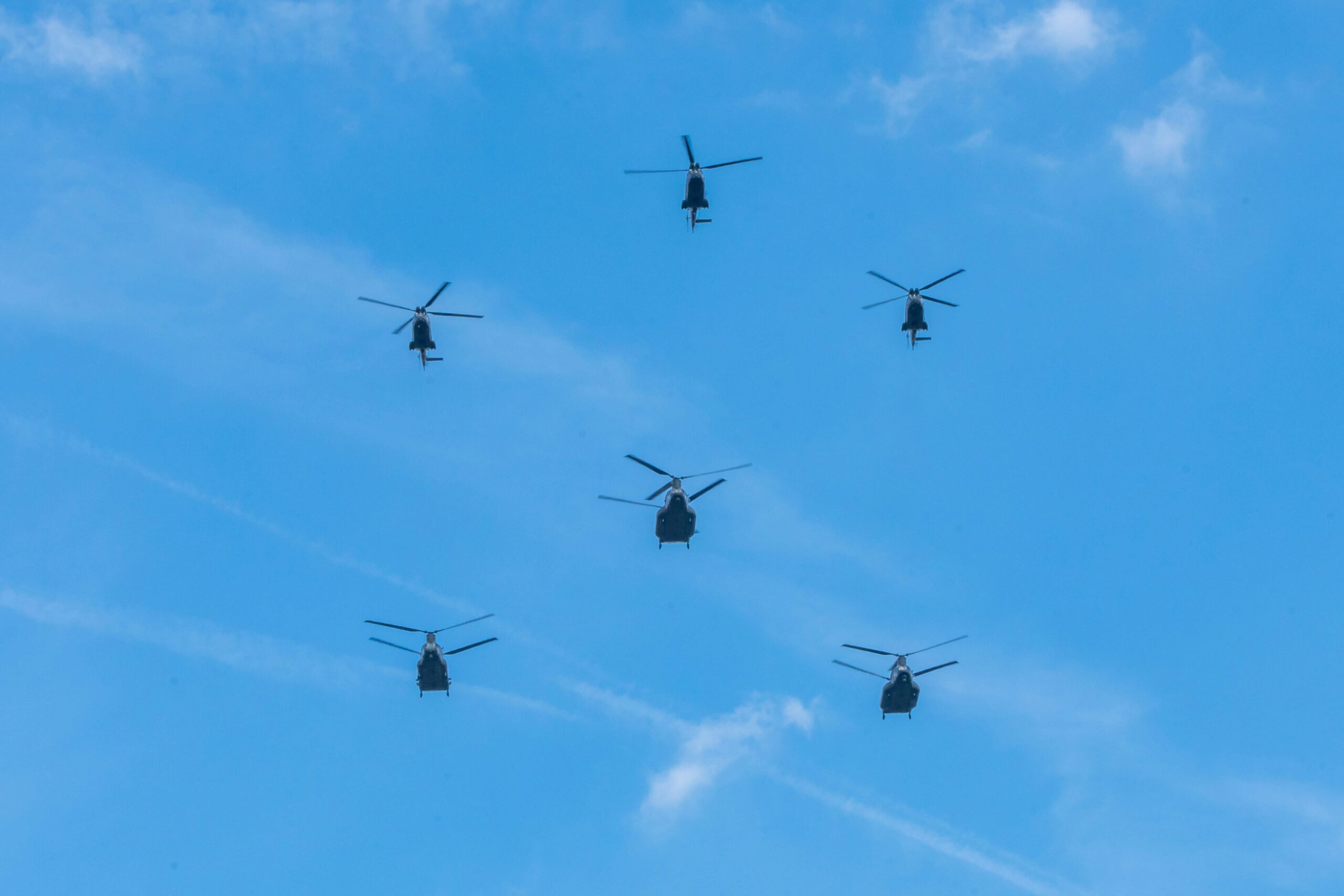
The Republic of Korea Marine Corps now holds the last MUH-1 Marineon helicopter in its hands. KAI moved the final airframe out of Jinju on 28 June 2023. A quick hand-off sign-sheet, few salutes, then crews rolled the machine onto a low-loader.
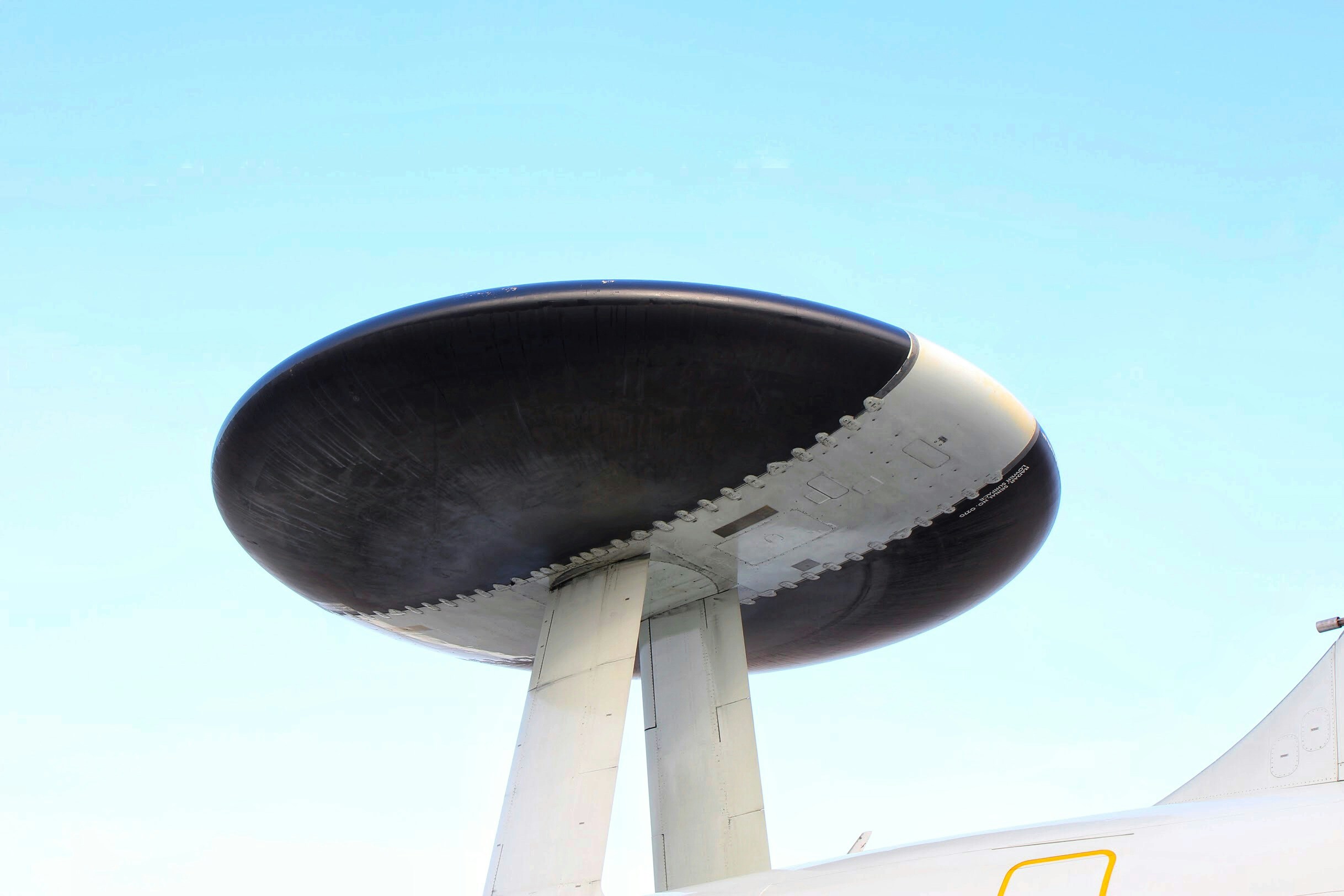
Singapore Air Force chiefs say the Island Air Defence, or IAD, now works end-to-end over every shipping lane and flight path. Crews pushed the network through months of rough drills, then signed the green card for full use. Analysts call the step
Airbus Defence & Space chief executive Michael Schöllhorn told reporters in Berlin that Germany must decide within this legislative period whether it still wants a fighter-aircraft industry. He warned that without a fifth Eurofighter tranche the Manching line will fall silent after
Every tank feels different. Controls on a T-72 ask for muscle memory, while the Leopard’s clutch and gearbox demand a softer touch. “The Leo turns quicker and keeps speed on hills,” one Ukrainian trainee explains through a volunteer interpreter. “That helps when
China’s medium-lift Z-20 is no longer a paper plan. Pilots in several PLA brigades now fly the grey-green machines every week. Beijing says the type is home-grown, tuned for thin air over Tibet, and ready for sea duty as well. Western watchers
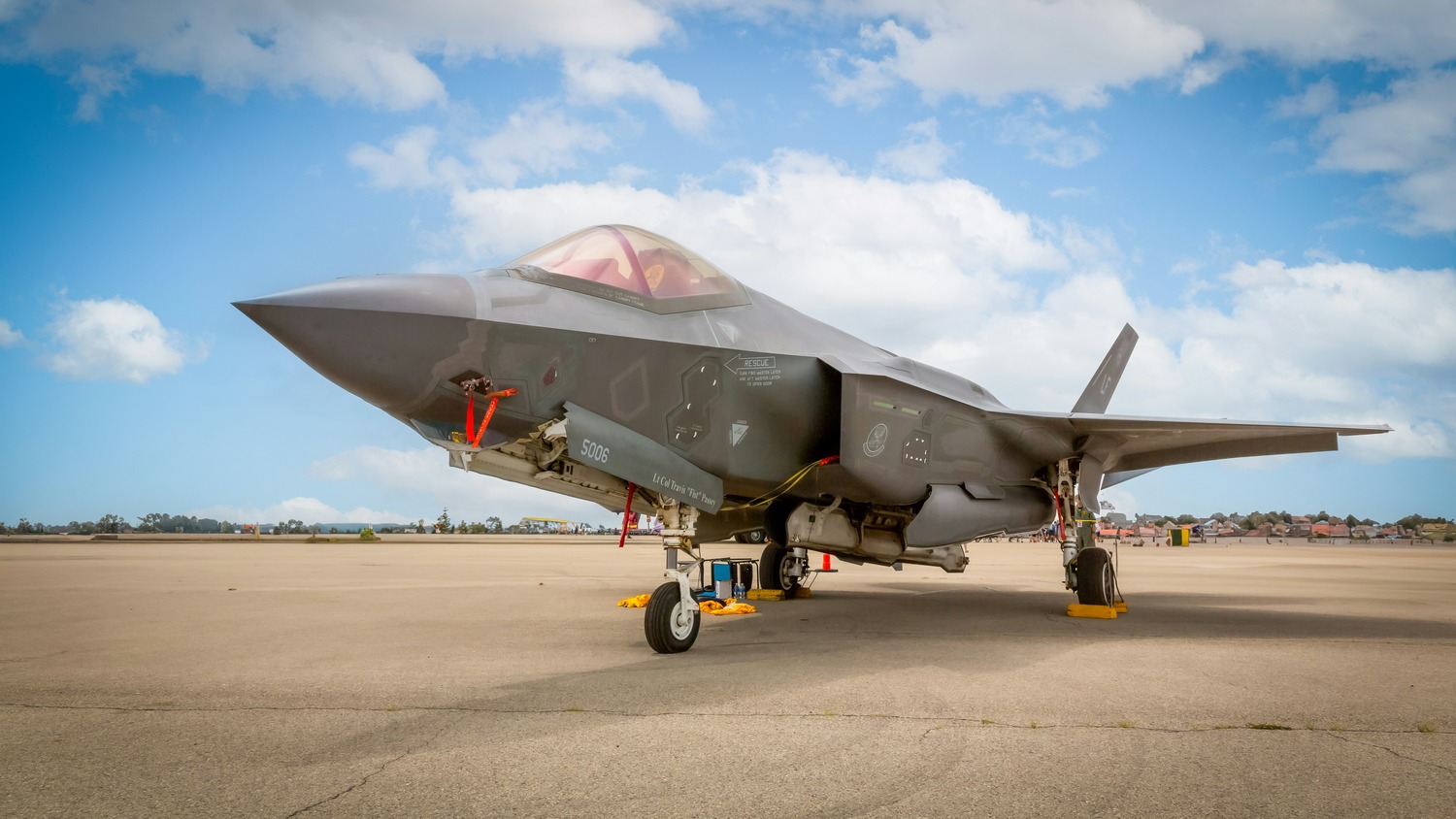
The Mitchell Institute today rolled out a 72-page policy paper that warns of a shrinking, aging U.S. fighter force and calls for an urgent production surge of F-35As equipped with Technology Refresh 3 and Block 4 upgrades.