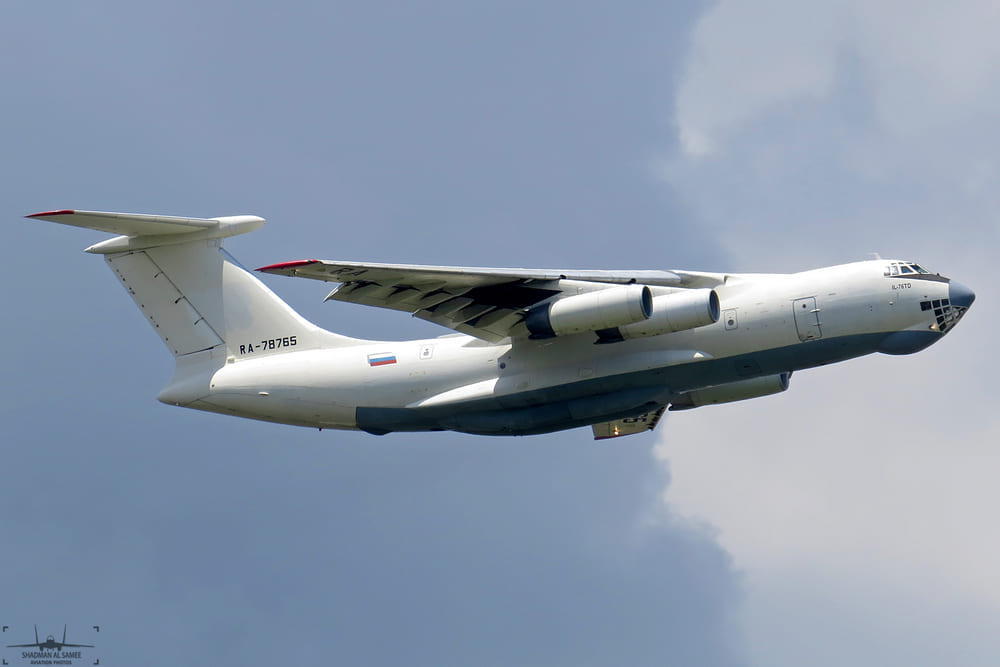
A Russian Il-76 heavy transport, tail RA-78765, landed at Simón Bolívar International Airport near Caracas on Sunday, Oct 26, after a two-day route from the Moscow area. Flight telemetry shows stops in Armenia, Algeria, Morocco, Senegal, and Mauritania before the Atlantic crossing and arrival in Venezuela. Defense officials confirm the jet taxied to a cargo stand used for state movements and remained on the ground for about a day before additional legs in the region.
The airframe belongs to Aviacon Zitotrans, a Russian cargo operator under U.S. sanctions for moving defense materiel. The U.S. Treasury designation identifies RA-78765 among aircraft tied to the company and cites prior shipments of rockets, warheads, and helicopter parts to overseas clients, including Venezuela. According to industry sources, ramp access at Maiquetía was restricted around the Il-76 and spotters were kept at a distance.
On Oct. 30, the Il-76 departed Caracas toward West Africa after short sectors the previous day to Havana and Managua and back. No cargo manifest was available. Venezuelan authorities released no information on passengers or freight.
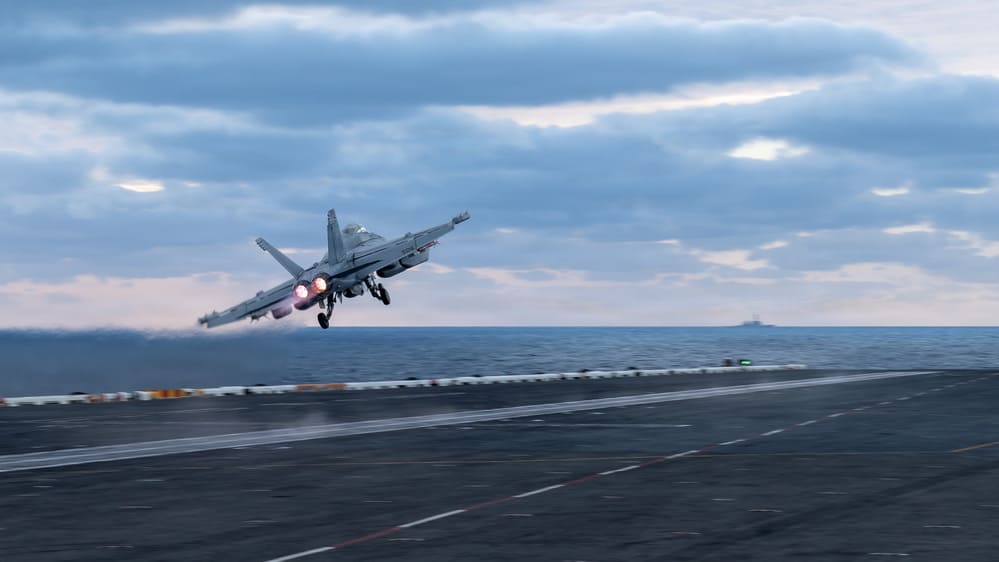
U.S.–Venezuela tensions remain high. As of Nov. 1, U.S. officials say eight Navy ships are operating in the Caribbean under a counter-narcotics mission, including a nuclear attack submarine and a special operations support vessel. The USS Gerald R. Ford carrier strike group is expected to join next week. “They promised they would never again get involved in a war and they are fabricating a war that we will avoid,” President Nicolás Maduro said in a national address, describing nearby drills as a provocation.
Flight Routing Through Armenia and West Africa
Flight logs attribute the Oct. 26 arrival to call sign ZR1801, inbound from Nouakchott after West African stops that fit Il-76 range and refueling needs. The same tail then appears on data feeds making a brief Caracas–unknown hop on Oct. 28, followed on Oct. 29 by Havana–Managua and Managua–Caracas, before departing to Nouakchott on Oct. 30. Times align with spotter reports of a Russian quad-jet parked on the cargo apron at Maiquetía.
Dispatchers familiar with these routes say crews favor Armenia, Algeria, Mauritania, and Senegal for fuel and crew rest on westbound crossings, and to avoid EU and U.S. airspace. Those airports already support Soviet-design airlifters and provide predictable ground handling. The chain used this week tracks that practice.
The Il-76 can move roughly 50 tons or a combination of palletized cargo and personnel. Airlift specialists note the TD variant often flies combined loads-crates, ground equipment, and a few dozen technicians-when servicing overseas customers. Venezuelan air units operate Russian-made helicopters and legacy air-defense components that periodically require factory spares. The inbound routing and quick circuits inside the region point to a logistics run paired together during liaison travel rather than a single ferry leg.
Aviacon Zitotrans Sanctions and Treasury Designation
The U.S. sanctioned Aviacon Zitotrans under Executive Order 14024 for supporting Russia’s defense sector. Treasury materials list RA-78765 as identified property connected to the company and describe prior deliveries of rockets, warheads, and helicopter parts worldwide, naming Venezuela among recipients. That link raises compliance risk for fuelers, handlers, and insurers that support the aircraft in third countries. Officials confirm airport operators hosting future stops by this tail have been advised to document services closely or decline them if internal policies prohibit work together during sanctioned carriers.
Aviacon operates six Il-76 transports and appears regularly in airbridge schedules tied to Russian state-directed logistics in Africa and Latin America, according to European defense officials. Transit points in Algeria, Mauritania, and Senegal coincide during hubs used by Russian security contractors and technical teams. These locations offer long runways, known maintenance support, and handlers willing to refuel sanctioned tails. The presence of RA-78765 at Caracas is a documented case of sanctioned Russian lift using Venezuelan facilities during U.S. naval activity expands nearby.
U.S. Carrier Strike Group and Maritime Operations
U.S. forces in the area include surface combatants, maritime patrol aircraft, and periodic strategic bomber flights along Venezuela’s coastline under declared missions. The expected arrival of a carrier strike group adds embarked fighters, airborne early warning, and ISR capacity. U.S. officials say more than a dozen lethal strikes have been carried out against suspected drug boats since early September, including reported fatalities in the dozens. Caracas disputes the U.S. account. Maduro accused Washington of “fabricating a war,” and officials condemned joint drills and a port call to a nearby island as a provocation. The U.S. president has said he is not considering strikes inside Venezuela even as maritime operations expand.
Carrier aviation close to the littorals narrows windows for unannounced foreign arrivals. Higher airborne surveillance and patrol cycles complicate movements that rely on timing and quiet ground handling. Officials confirm watchlists now prioritize sanctioned Il-76 tails, including RA-78765, for routine tracking across the Caribbean, Central America, and West Africa.
Russian Technical Support and Logistics Corridors
Venezuela still fields Russian-origin helicopters, ground-based air-defense systems, and assorted spares that need factory backing. Russian technical assistance has continued at a low level. According to industry sources, likely cargo on an Il-76 run of this type includes boxed spares, avionics line-replaceable units, and toolkits for depot work. Technician rotations fit the pattern, especially when the aircraft connects through friendly hubs such as Havana or Managua to move personnel onward.
Sanctions push every refuel and ground service through a compliance gate. Named on U.S. lists, third-country airports face a choice between denying services or accepting the exposure and documenting each interaction. Insurers adjust coverage and price accordingly. Caracas can sustain the operation within its own perimeter, but onward staging points in Africa and the Caribbean weigh local business interests against external enforcement risk.
The route used here underscores where Russian planners still find workable corridors. Armenia offers a route around the most restrictive airspace. Algeria and Mauritania provide long-runway fuel stops during familiar support. Senegal operates on the Atlantic arc useful for Il-76 performance and crew duty cycles. These nodes cut the odds of an extended ramp inspection that could delay cargo or crew.
Legal and diplomatic questions over maritime rules of engagement have drawn scrutiny from rights groups and some regional governments. Caracas leans on those arguments to challenge the U.S. posture. Moscow benefits from partners portraying the maritime campaign as heavy-handed, which allows Russian logistics flights to be cast domestically as routine support.
Carrier presence near Venezuela compresses options but doesn’t close them. Crews compensate through longer staging at Central American and Caribbean airports and, at times, ADS-B gaps where permitted. Flight records already show RA-78765 passing through Havana and Managua, airfields that have handled sensitive transfers for friendly governments.
One Il-76 handles compact, high-value loads or a few dozen technical staff plus equipment. Bigger consignments-complete air-defense batteries or major rotary-wing modules-would require multiple sorties or a mixed fleet, which is easier to detect under current surveillance. Russian planners often prefer small, frequent shipments through intermediaries, a method described in sanctions narratives related to Aviacon.
For U.S. and regional forces, the documented arrival and quick regional turns provide a reference point for monitoring Russian logistics into Venezuela. Our analysis shows the October movements align during a rapid technical resupply and personnel rotation cycle rather than a heavy hardware delivery, staging in Cuba and Nicaragua before the return to West Africa. A sanctioned Il-76 entered Caracas in the last week of October, made short regional hops, and departed toward Nouakchott on Oct. 30.
REFERENCE SOURCES
- https://www.defensenews.com/global/the-americas/2025/10/28/heavy-russian-cargo-plane-lands-in-caracas-amid-us-venezuela-tensions/
- https://www.flightradar24.com/data/aircraft/ra-78765
- https://home.treasury.gov/news/press-releases/jy1220
- https://www.washingtonpost.com/world/2025/11/01/venezuela-us-militarty-aircraft-carrier-ships-strikes-caribbean-trump-maduro/
- https://www.aljazeera.com/news/2025/10/26/venezuelas-maduro-says-the-us-is-fabricating-a-war-against-him
- https://apnews.com/article/21cc3ac03f755a657c0541667246c007
- https://www.theguardian.com/us-news/2025/oct/24/trump-caribbean-uss-gerald-ford-carrier