Fleet size is the number that gets quoted. What a force can actually put in the air on a given morning is a different figure, and usually a much smaller one. An air arm holding 180 fighters at a 55 percent mission-capable rate fields fewer than one holding 120 with good spares support.
This section covers hardware across air, land, sea and space. Combat aircraft, rotorcraft, warships and submarines, armored vehicles, satellites, and the sensors that tie them together. New programs are followed from requirement to service entry, existing fleets through their upgrades, which usually matter more since most of the equipment flying in 2040 is already built.
Most of what changes a platform arrives after delivery: a new radar, a software drop, a sustainment contract that fixes a parts problem at last, or a quiet decision to delete a capability nobody funded.
Specifications are reported where a program office or a budget document supports them. Where they do not, the number is called an estimate.
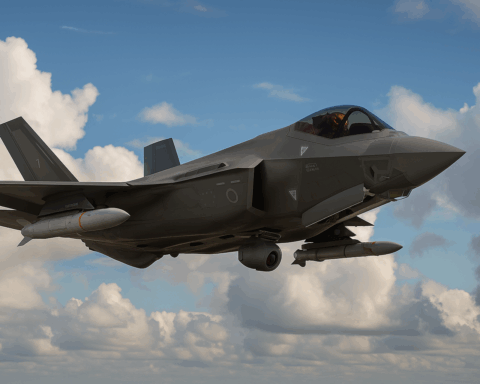
Early F-135 advocates promised a smooth learning curve. They said each production lot would cost less than the one before. Fresh data show the opposite. Unit prices still hover near $30 million, even though annual output has more than doubled since 2011.
Foreign air forces that bought the F-35A woke up this week to a blunt statement from Major Gen. Jeffrey Harrigian, the U.S. Air Force officer who runs the program. He told Reuters on April 7 that engineers had started scoping a new
The latest annual report from the Pentagon’s Director of Operational Test & Evaluation (DOT&E) states that the F-35 Joint Program Office (JPO) claimed improved reliability by adjusting the way it records equipment failures rather than by delivering technical corrections.
Pilots walk to their jets before sunrise, climb the ladder, key the INS, and watch the route and target files flow in by Link 16. A typical launch leaves the chocks with the following kit:
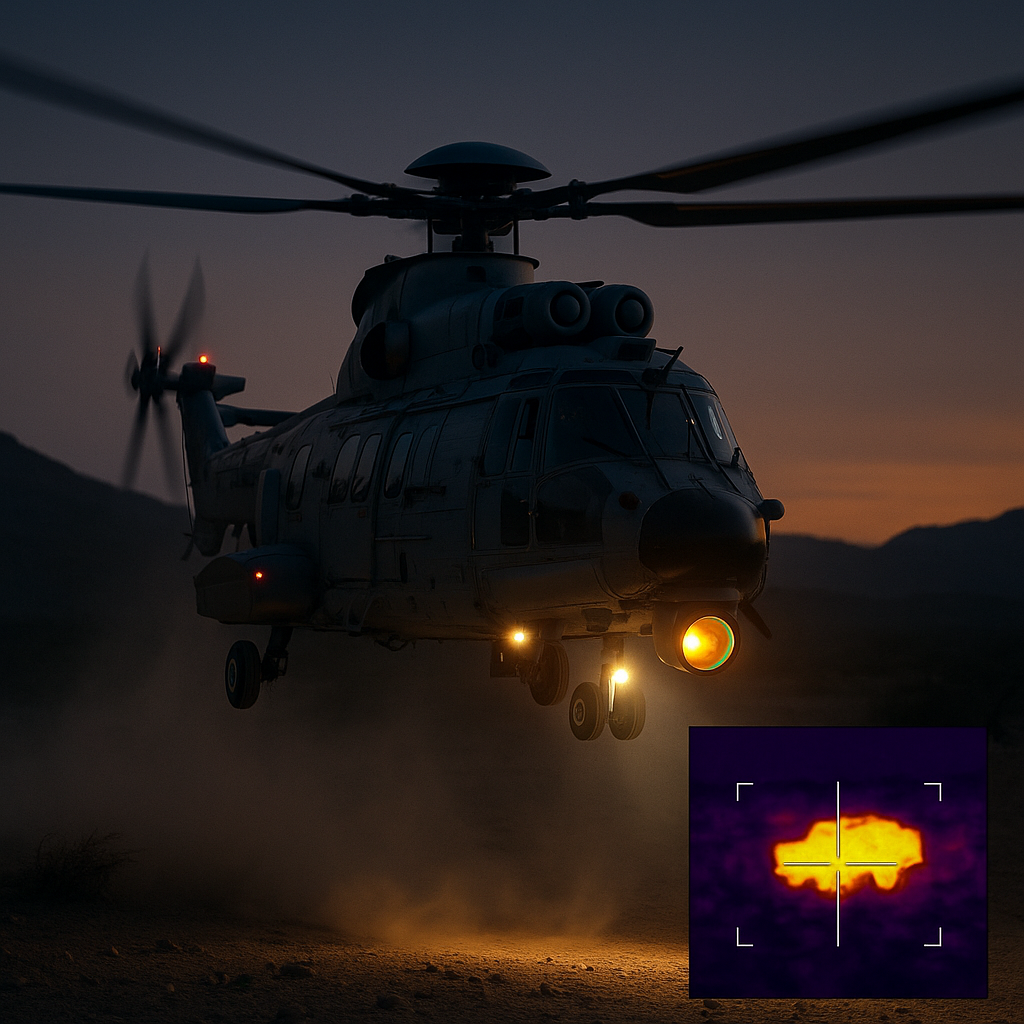
Eurocopter has picked Sagem’s new Euroflir 350 sight for the EC725 Caracal fleet that supports French special operations. The move links a fresh sensor suite to a helicopter already central to high-risk rescue and assault missions.
Washington has alerted Congress to a possible $2.9 billion Foreign Military Sale that bundles fresh M1A1 Abrams tanks with a fleet-wide rebuild for every Saudi M1A2. The Royal Saudi Land Forces want fifty-eight surplus M1A1 hulls, plus the teardown and refit of
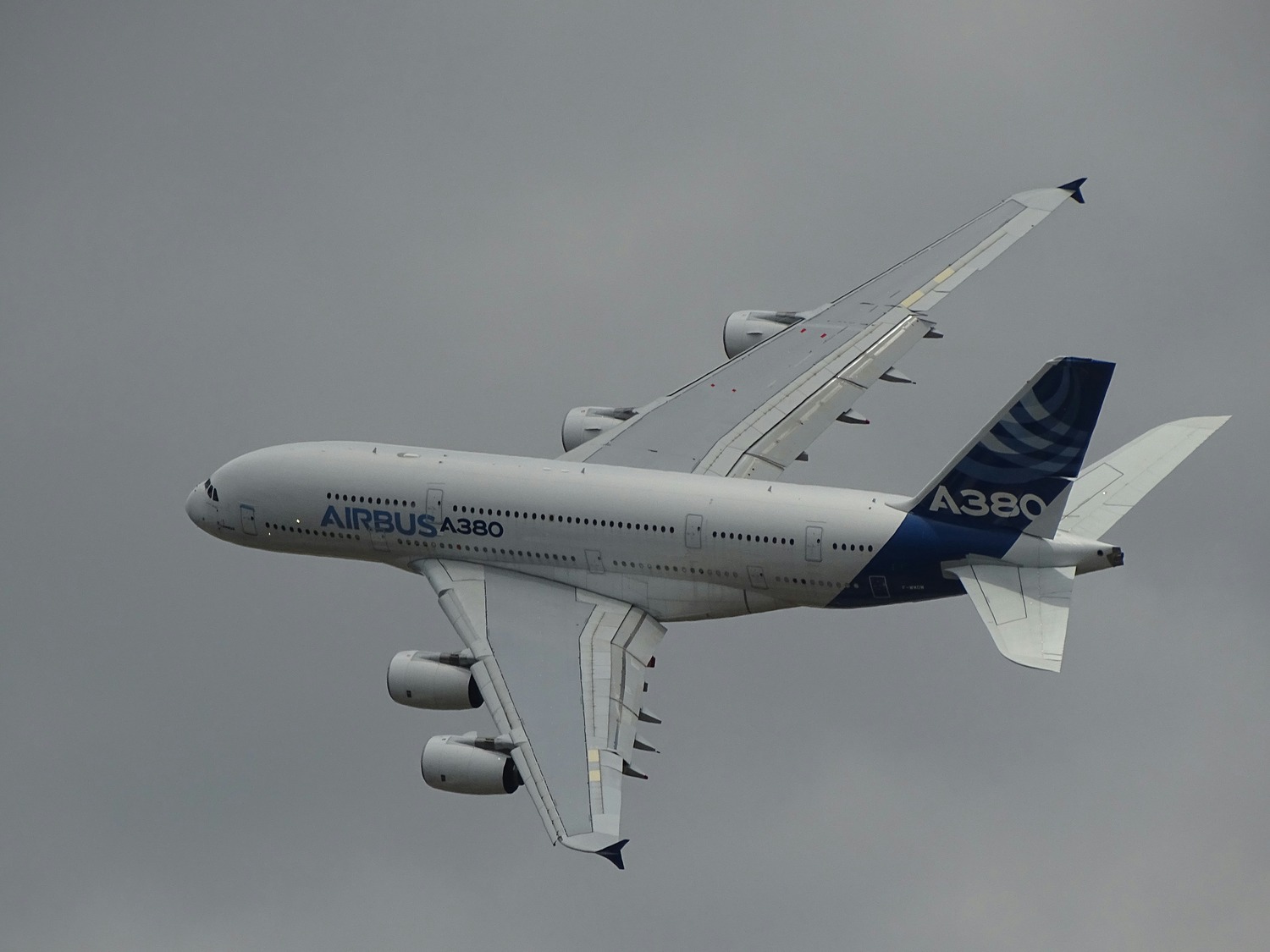
Airbus has chosen the diversified power-management company Eaton Corporation to develop and build the hydraulic power-generation system for its new A380 wide-body jetliner. The multi-year award covers design, qualification, initial production and long-term support. Eaton projects revenue of about $200 million over
Aircraft covers military fixed-wing from fighters to airlifters. The engines that decide their range and most of their schedule risk sit in Aircraft Propulsion. Aircraft (Civil/Military Systems) handles the airliner-derived tankers, patrol aircraft and special-mission conversions. Helicopters follows rotary-wing procurement and sustainment.
Naval Systems runs from surface combatants to submarines and the yard capacity behind them. Armor, artillery and battlefield logistics are in Land Systems. Space Systems handles satellites, launch access and orbital infrastructure, and Surveillance & Reconnaissance the sensors that turn all of it into usable information.