Fleet size is the number that gets quoted. What a force can actually put in the air on a given morning is a different figure, and usually a much smaller one. An air arm holding 180 fighters at a 55 percent mission-capable rate fields fewer than one holding 120 with good spares support.
This section covers hardware across air, land, sea and space. Combat aircraft, rotorcraft, warships and submarines, armored vehicles, satellites, and the sensors that tie them together. New programs are followed from requirement to service entry, existing fleets through their upgrades, which usually matter more since most of the equipment flying in 2040 is already built.
Most of what changes a platform arrives after delivery: a new radar, a software drop, a sustainment contract that fixes a parts problem at last, or a quiet decision to delete a capability nobody funded.
Specifications are reported where a program office or a budget document supports them. Where they do not, the number is called an estimate.
Singapore has picked a plain yet clever tool to guard its narrow air lanes and busy strait. A tethered, helium-filled aerostat now hangs above western side of island, feeding fresh radar data day and night. Officers call it a long-view eye that
The senior team at MD Helicopters, Inc. calls the Army’s Light Utility Helicopter choice “flat-out wrong”. They argue the service stacked the deck for EADS North America, parent of Eurocopter. Managers say the Army brushed past cost data, safety files, and past
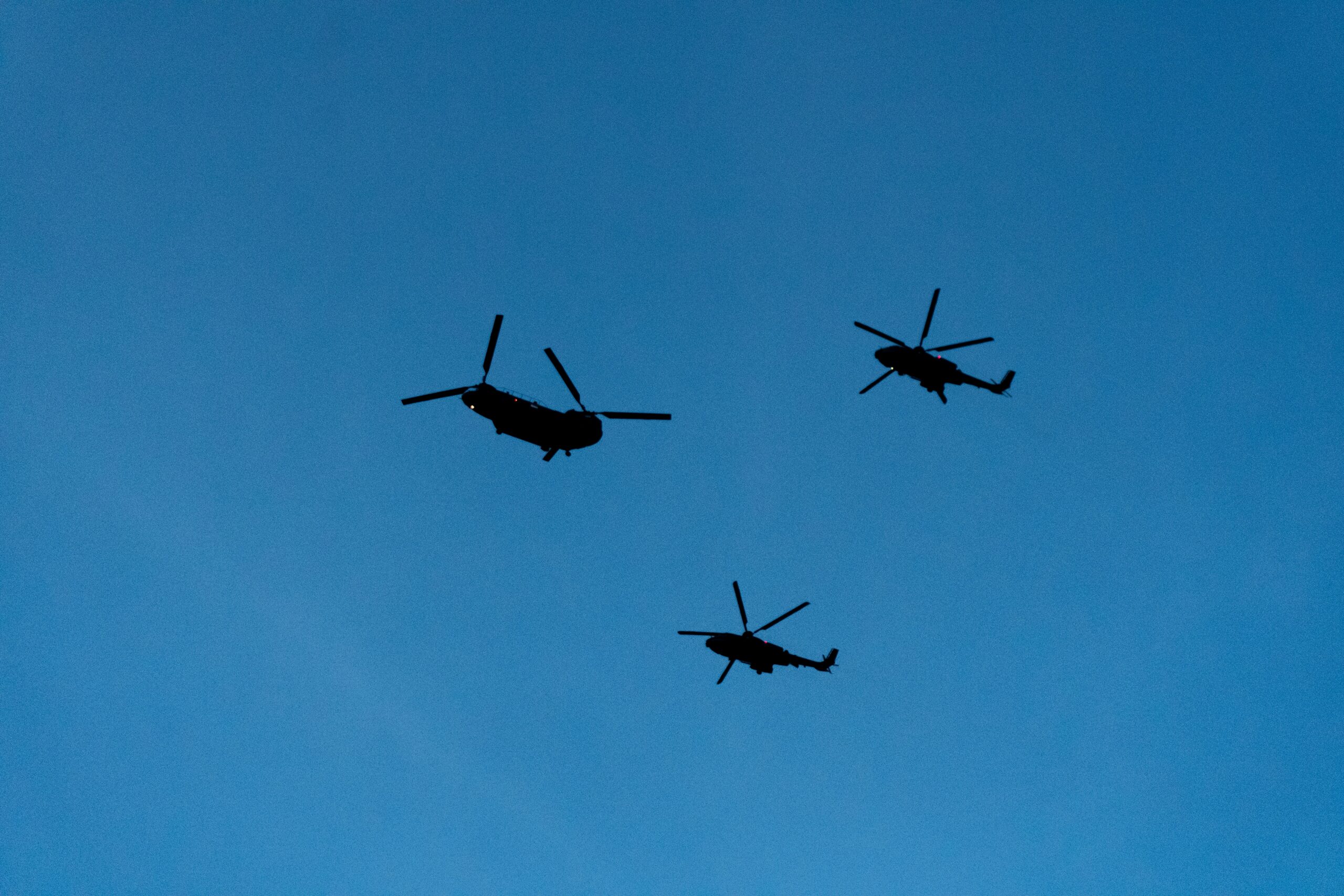
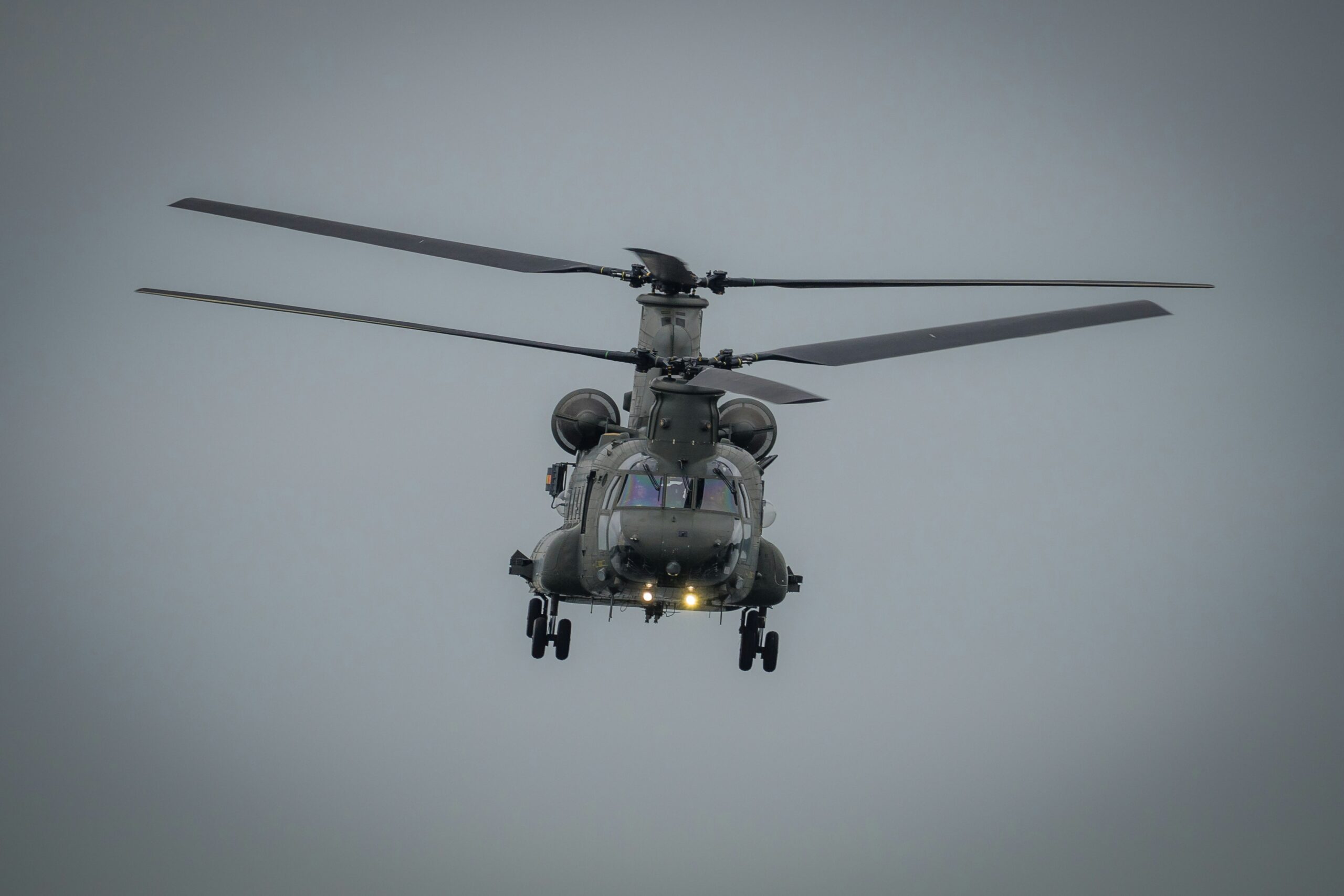
The Army pushed a dusty run at Townsville this week, hooking a Chinook’s fuel lines straight into three Abrams. Blades kept spinning, hoses hissed, and heavy armor rolled off topped up. Roads in those scrub ridges stay rough, so air-pump beats truck
Trieste — The Italian Navy’s new landing helicopter dock Trieste is finishing fit-out work in its namesake port. Crews install last cables, test pumps, and seal bulkhead gaps that slipped first reviews. Yard teams say hand-over stays on the late-2024 window, with
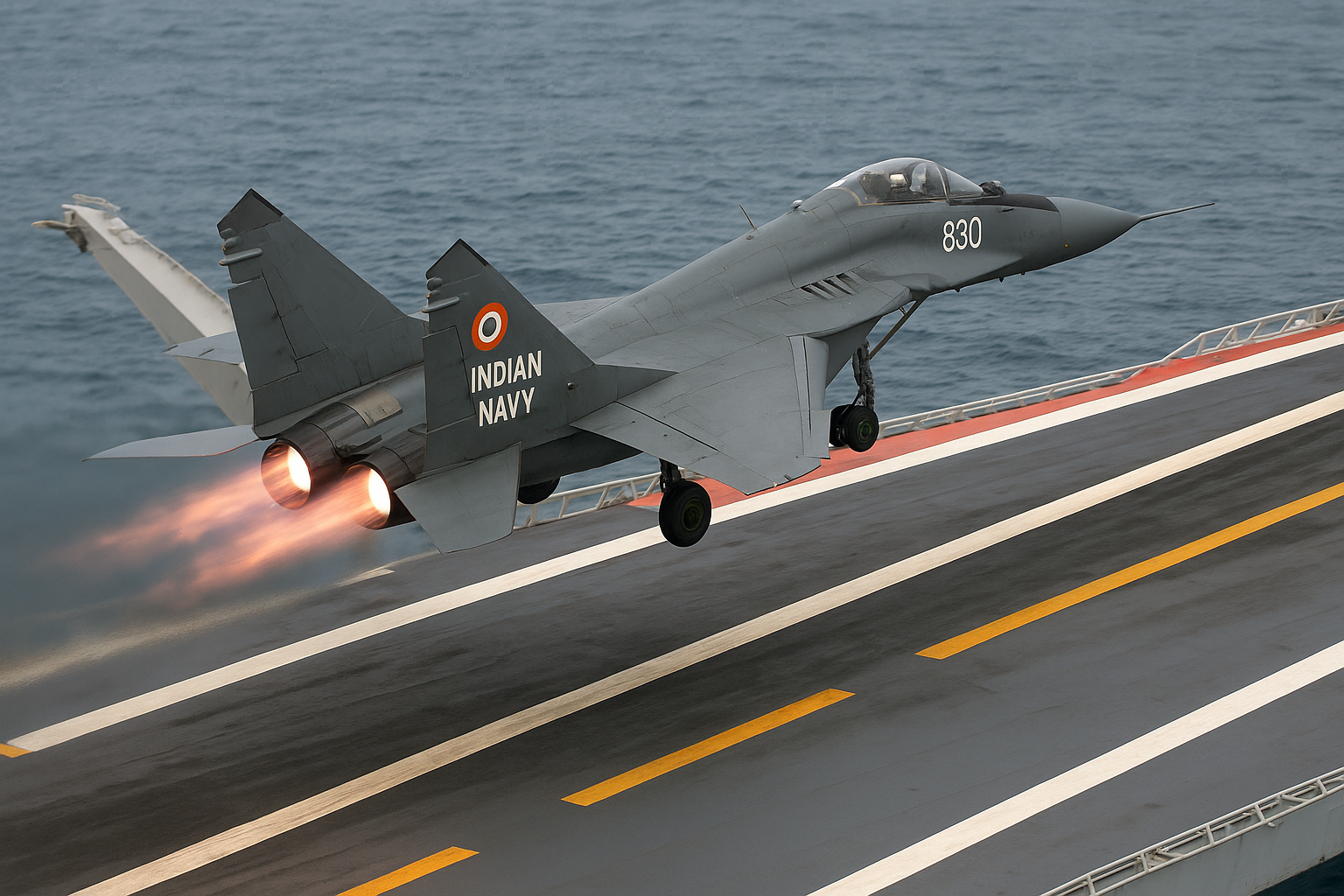
The Indian Navy has fought hard to keep its carrier aviation alive after retiring the Sea Harrier. MiG-29K fighters now fill that hole on INS Vikramaditya and the soon-to-sail INS Vikrant. Admiral Sunil Lanba told reporters on the eve of Navy Day
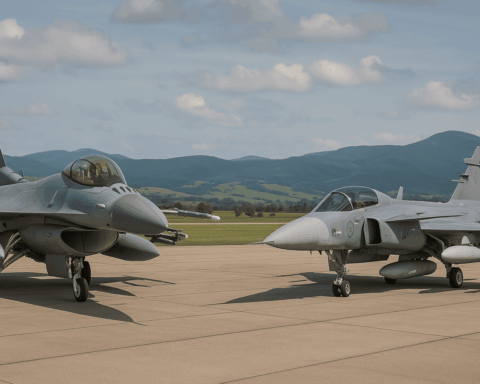
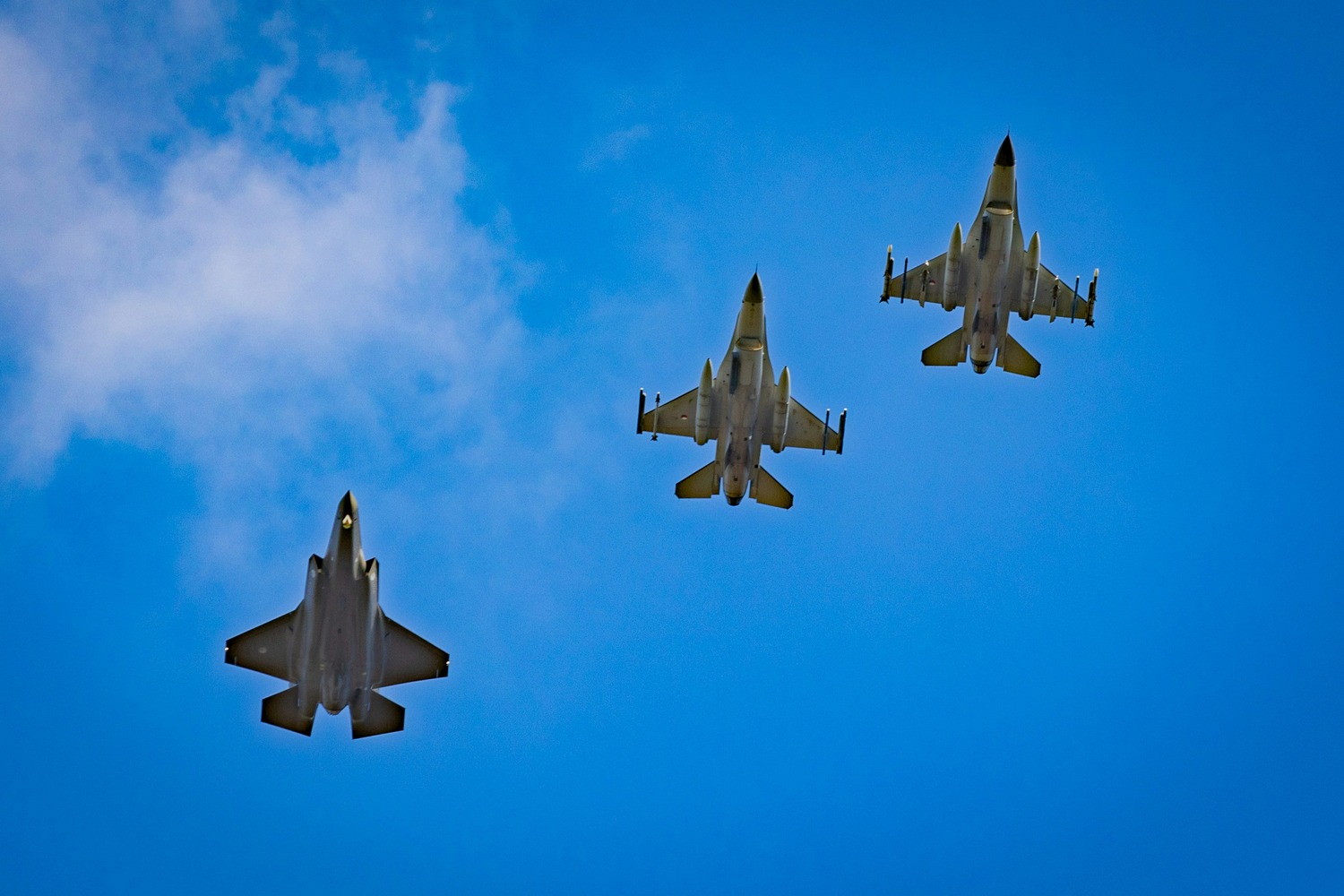
Slovakia has reached the point of decision after more than a decade of debate over its MiG-29 replacement. Formal offers now sit on the defence minister’s desk from two camps: Lockheed Martin with the F-16V Block 70/72 and Sweden’s Saab with the
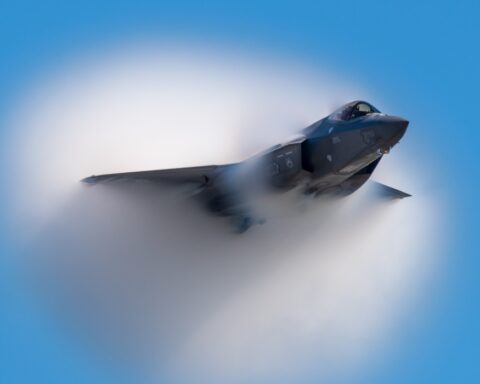
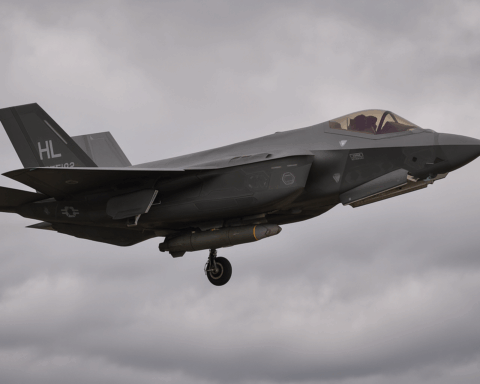
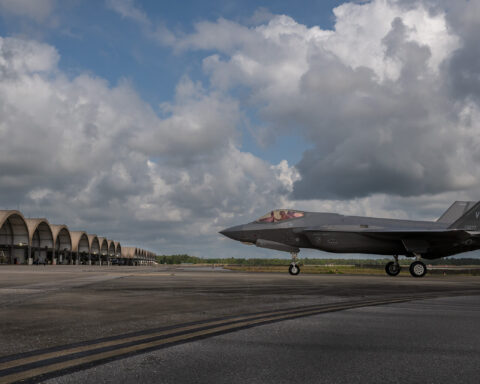
Lockheed Martin’s F-35 program has drawn thousands of reader remarks on Aviation Week since the aircraft reached initial service. The most pointed thread this week grew out of a comment by retired Marine officer Don Bacon. He noted that “150 to 160
The F-35 promised reach without rival, yet its heart - Pratt & Whitney’s F135 - burns fuel like an older design. Thrust-specific fuel consumption (TSFC) shows why. The F100-PW-229 that powers late-model F-15s and F-16s clocks 0.726 lb/hr/lb. The F135 sits at
Lockheed Martin’s F-35 is America’s most expensive weapons project. After fifteen years in development, the jet is still not ready for the fight the services expect. A confidential memorandum dated Aug 9 from Dr. Michael Gilmore, the Defense Department’s Director of Operational
The Pentagon’s Director of Operational Test and Evaluation has sent fresh shockwaves through the F-35 community. His memo to senior leaders says the Joint Strike Fighter remains far from its promised combat edge even though the U.S. Air Force just marked the
Aircraft covers military fixed-wing from fighters to airlifters. The engines that decide their range and most of their schedule risk sit in Aircraft Propulsion. Aircraft (Civil/Military Systems) handles the airliner-derived tankers, patrol aircraft and special-mission conversions. Helicopters follows rotary-wing procurement and sustainment.
Naval Systems runs from surface combatants to submarines and the yard capacity behind them. Armor, artillery and battlefield logistics are in Land Systems. Space Systems handles satellites, launch access and orbital infrastructure, and Surveillance & Reconnaissance the sensors that turn all of it into usable information.