Fleet size is the number that gets quoted. What a force can actually put in the air on a given morning is a different figure, and usually a much smaller one. An air arm holding 180 fighters at a 55 percent mission-capable rate fields fewer than one holding 120 with good spares support.
This section covers hardware across air, land, sea and space. Combat aircraft, rotorcraft, warships and submarines, armored vehicles, satellites, and the sensors that tie them together. New programs are followed from requirement to service entry, existing fleets through their upgrades, which usually matter more since most of the equipment flying in 2040 is already built.
Most of what changes a platform arrives after delivery: a new radar, a software drop, a sustainment contract that fixes a parts problem at last, or a quiet decision to delete a capability nobody funded.
Specifications are reported where a program office or a budget document supports them. Where they do not, the number is called an estimate.
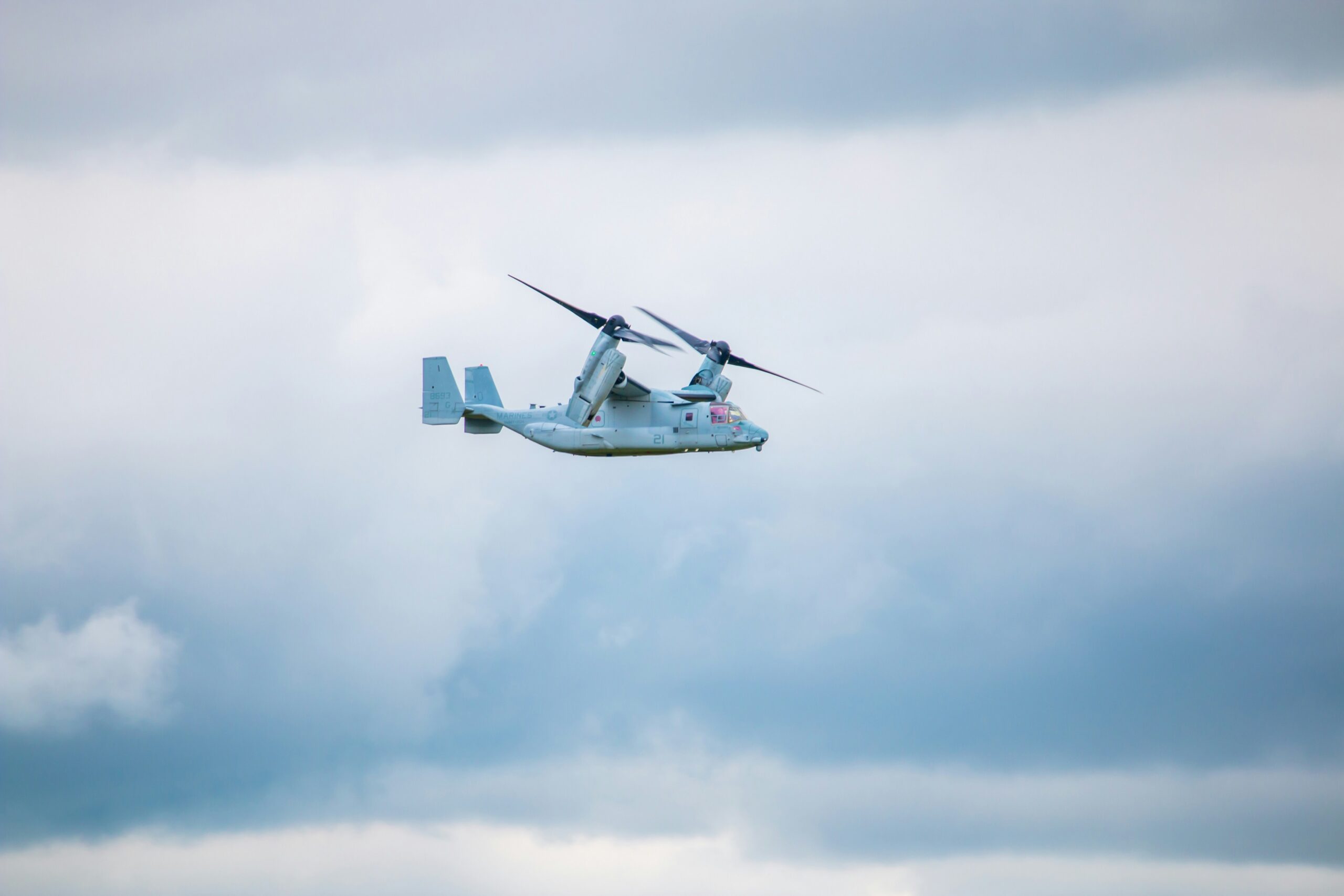
The T406 engine reached a solid 500-hour record on one Osprey in mid-August last year. It happened during normal line ops, not a test flight. The count feels modest next to jetliner totals, yet inside tiltrotor work it signals tough stamina. Dust
General Dynamics Mission Systems, a key arm of General Dynamics Corp., landed an $882 million Navy deal to build large vertical sonar arrays for next-wave submarines. The award cements plans to widen undersea reach and signals faith in U.S. industry. Navy buyers
The Republic of Singapore Navy rolled out RSS Indomitable, its fifth Independence-class Littoral Mission Vessel (LMV). The slip at Benoi Yard filled fast with brass, engineers, and overseas guests keen to see what fresh hull adds to regional sea security.
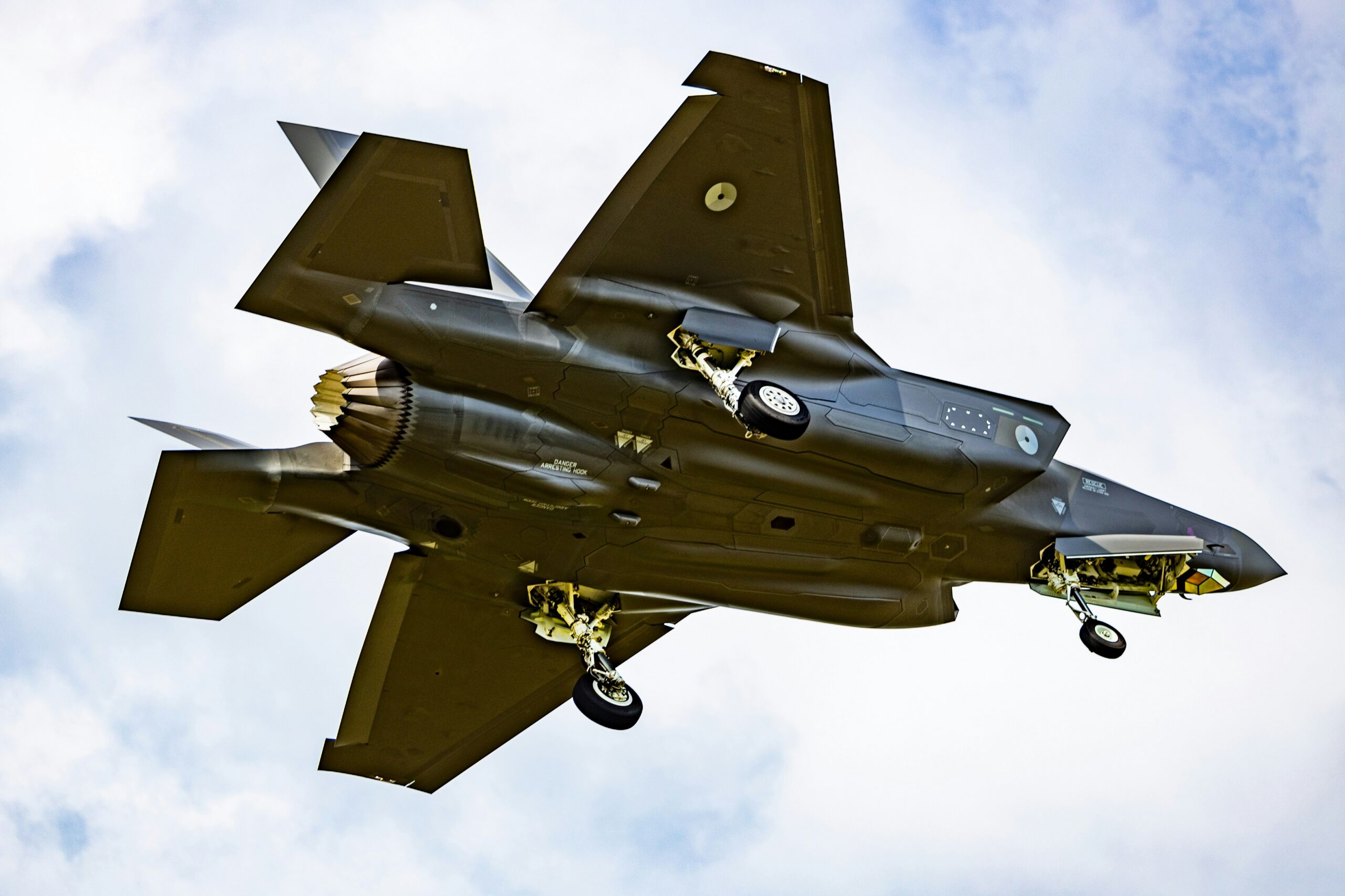
Lockheed Martin reshaped a small yet vital slice of the F-35 frame. The fresh FS425 bulkhead now backs bigger bombs inside the jet. Crews hope the tweak keeps radar print low while packing harder punch. Work moved quick during late-2023 and spread
Romania locked in a $1.07 billion plan to buy M1A2 SEPv3 Abrams tanks. Officials call it a clean break from its aging Soviet stock. They argue the move lines up with NATO goals and lifts combat readyness fast. Parliament agreed after a
The Pentagon just raised the F-35 bill again. Numbers inside its fresh acquisition report point to $438 billion for development plus production. Last year they put the figure at $412 billion. Now planners must live with extra $26 billion—they said inflation and
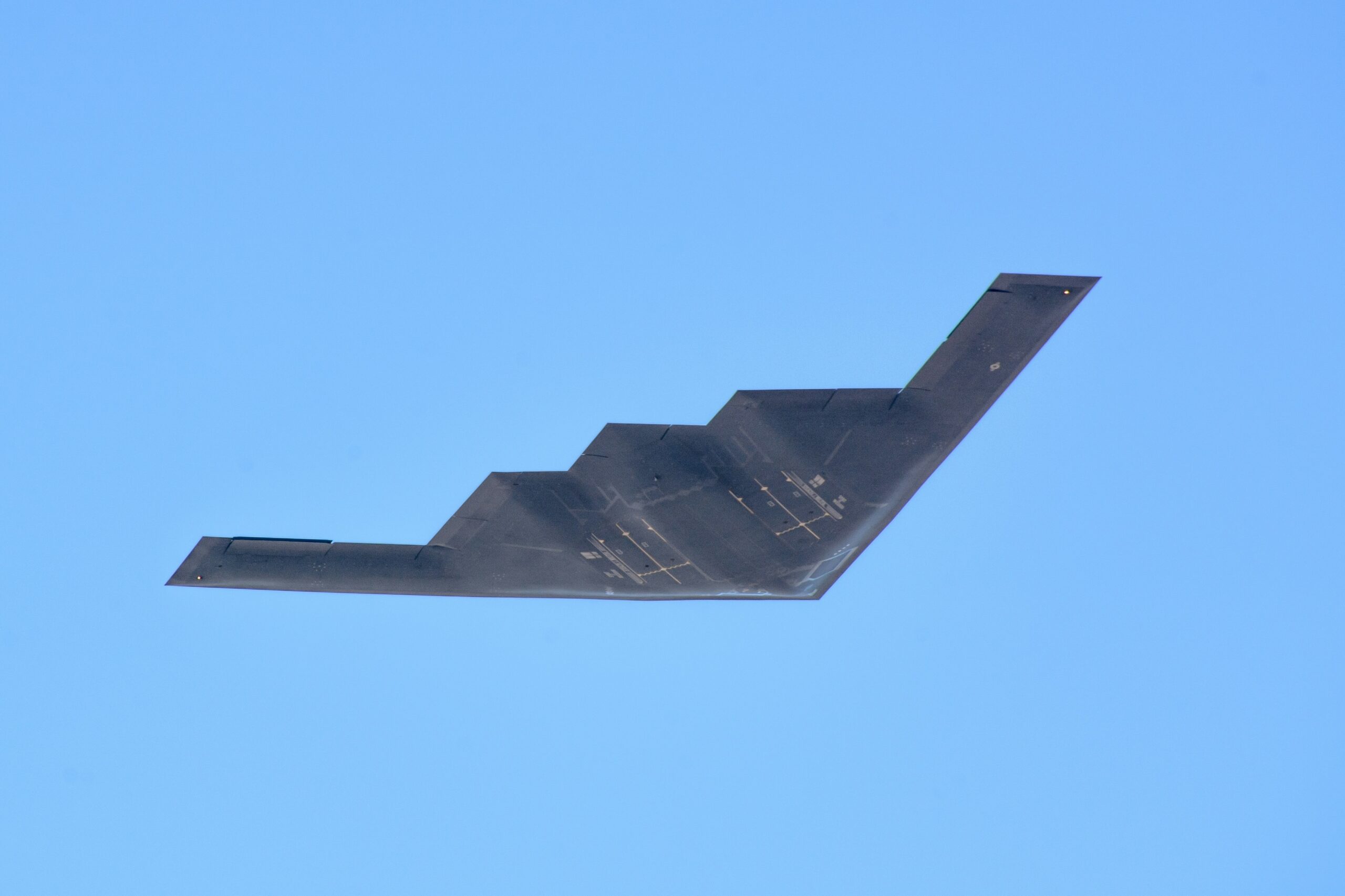
The B-2 Spirit edges into a new era. Air Force engineers push the bomber toward a fresh role—striking vehicles that refuse to sit still. The project looks dry on paper, yet it shifts how commanders think about fast raids. Crews on the
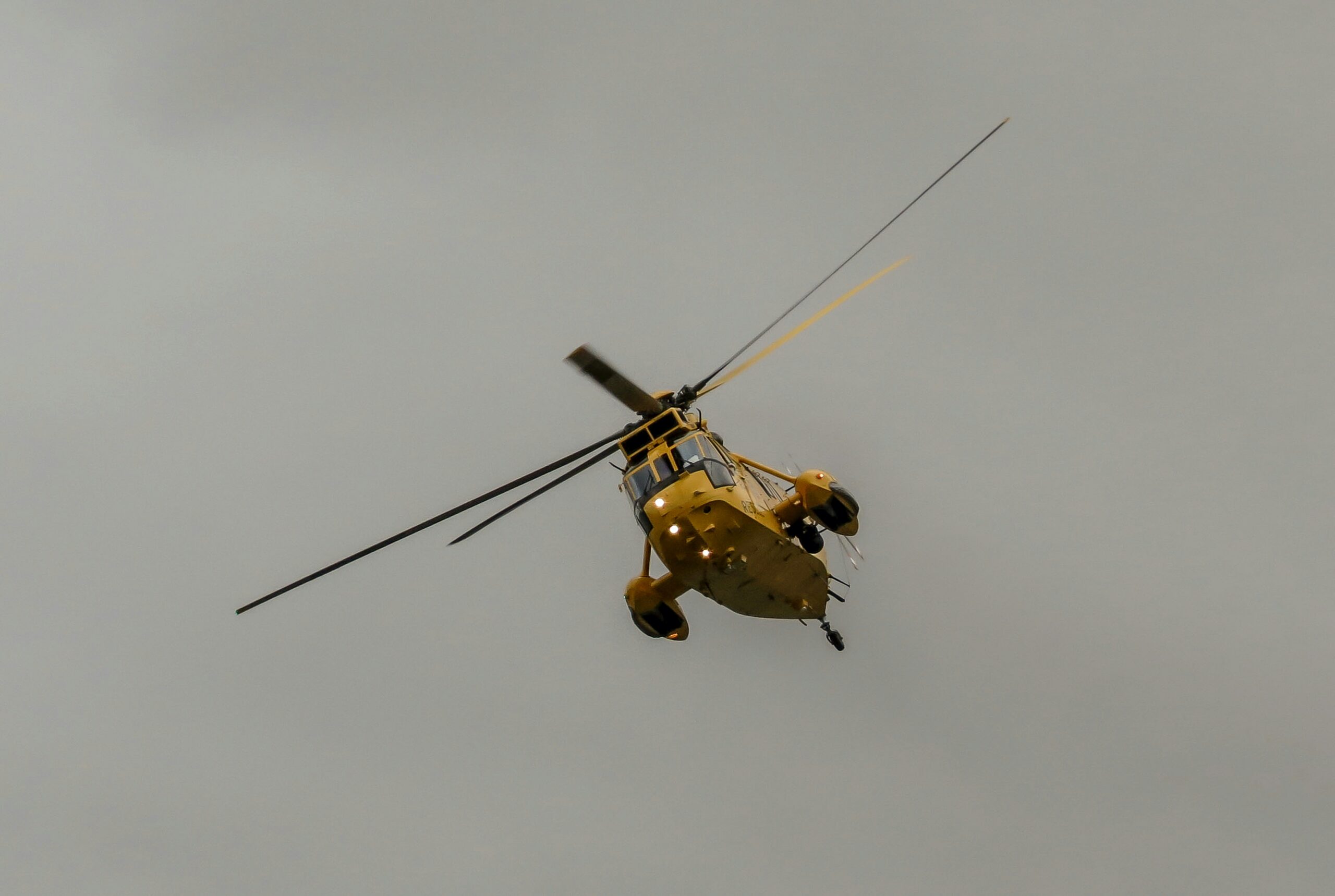
Federal Defense chiefs ordered a deep look at Sikorsky’s CH-148 Cyclone fleet. Crews trust these birds for day-to-day patrols over grey water, yet lawmakers now ask plain shut questions about hard mission value. They wonder if the helo keeps pace with rough
Australia’s $45 billion Hunter-class frigate program faces fresh scrutiny after Senator David Shoebridge asked the National Anti-Corruption Commission (NACC) to examine how the Royal Australian Navy chose the British Type 26 design despite warnings it carried “extreme risk.” The referral follows a
Alliant Techsystems Inc. (ATK) confirmed a landmark move on January 28, 2004. The company announced its plan to purchase Mission Research Corporation (MRC) for roughly $230 million. That figure reflected a significant investment in technology meant for national security and homeland defense.
Aircraft covers military fixed-wing from fighters to airlifters. The engines that decide their range and most of their schedule risk sit in Aircraft Propulsion. Aircraft (Civil/Military Systems) handles the airliner-derived tankers, patrol aircraft and special-mission conversions. Helicopters follows rotary-wing procurement and sustainment.
Naval Systems runs from surface combatants to submarines and the yard capacity behind them. Armor, artillery and battlefield logistics are in Land Systems. Space Systems handles satellites, launch access and orbital infrastructure, and Surveillance & Reconnaissance the sensors that turn all of it into usable information.