According to industry sources, the former Roosevelt Roads Navy base in Puerto Rico remains the leading candidate for the initial stop. The airfield has hosted U.S. aviation detachments linked to the operation since September.
Vermont Air National Guard 158th Fighter Wing F-35A deployment for Operation Southern Spear
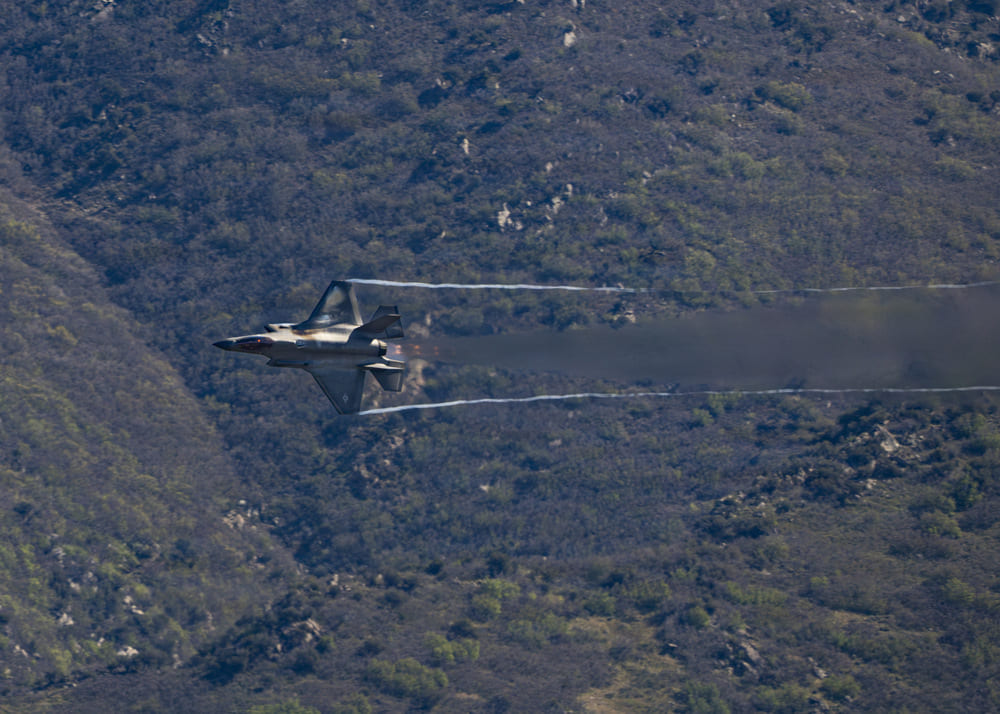
The 158th flies the Air Force’s F-35A, the conventional takeoff and landing variant of the Joint Strike Fighter. Defense officials confirm the deployment falls under Title 10 federal authority, which places Guard forces under federal command for overseas missions.
Vermont outlets reported this week that the wing had received a federal mobilization order and started deployment preparations. Those reports did not name the destination, and Guard officials stayed tight on details. Public comments from state leadership also reflected limited visibility into the mission specifics.
The operation’s public framing has emphasized counter-narcotics activity. Separate U.S. government statements in recent months have also linked the broader regional force posture to pressure on Venezuela’s government. Officials have not publicly described how the Air Force fighters would be tasked once in theater.
Roosevelt Roads Puerto Rico staging hub and recent aircraft arrivals
Roosevelt Roads, now the José Aponte de la Torre Airport in Ceiba, has emerged as a recurring staging point for aviation assets supporting the Caribbean buildup. Public imagery and reporting have shown U.S. aircraft and support elements cycling through since mid-September.
F-35 variants have already appeared at the field during this period. U.S. Marine Corps aircraft began arriving in September, based on published photos and reporting from the region. The basing arrangement provides quick access to airspace over the eastern Caribbean and nearby approaches.
On Dec. 10, Navy EA-18G Growler electronic attack jets arrived at Roosevelt Roads, based on imagery released publicly. Growlers bring jamming, electronic support, and escort capability for strike packages. Their presence adds a mission set not usually associated with routine maritime patrol rotations.
No official has confirmed Roosevelt Roads as the final destination for the Vermont jets. The U.S. official familiar with the plan described Puerto Rico as the most likely routing, but left room for alternate basing once the deployment starts.
Title 10 mobilization order and Vermont officials’ statements
Lt. Col. Meghan Smith confirmed the mobilization order in an email cited by Vermont media on Dec. 10. “While we can’t discuss specific timelines or locations, our Airmen train continuously to ensure they are fully prepared to support federal and state missions whenever and wherever they are needed,” Smith wrote.
Gov. Phil Scott told reporters he had limited information on the mission destination. “There isn’t much I can share because I don’t know a lot about any of the mission,” Scott said. “Everything from my understanding is coming out of either the National Guard or the Pentagon at this point.”
Scott also said the mobilization came under Title 10. That legal status is typical for Guard deployments that run under federal tasking. It also limits state-level visibility into operational details while planning stays in motion.
Those public comments confirm the order and the activation authority. They do not confirm the Caribbean destination, which remains based on defense reporting and statements from officials familiar with the plan.
F-35A range and 2000-pound guided weapons compared with other deployed aircraft
If the deployment proceeds as described, the Air Force will place land-based stealth fighters into an operating area that already includes naval aviation and Marine aircraft. The F-35A carries more internal fuel than the Marine Corps F-35B and supports 2,000-pound-class guided bombs in its standard loadout options. The B model trades fuel and internal weapon size for short takeoff and vertical landing flexibility.
Carrier aviation in the region remains centered on Navy Super Hornets and, now, Growlers. The Gerald R. Ford’s air wing does not include carrier-based F-35s. The addition of Air Force F-35As would increase the mix of land-based tactical aircraft available through the Puerto Rico hub, with different sustainment needs and basing constraints than shipborne aviation.
Officials have not released a public tasking order for the Vermont jets. No one has described target sets, rules of engagement, or how the aircraft would integrate with other assets in theater. The U.S. official familiar with the plan framed the move as part of the ongoing force posture for Operation Southern Spear.
Our analysis shows the Puerto Rico staging area now supports a broader set of high-end tactical aircraft than typical counter-narcotics rotations, with Air Force F-35As expected to join Marine F-35s and Navy Growlers already present.
REFERENCE SOURCES
- https://www.twz.com/air/f-35a-joint-strike-fighters-deploying-to-caribbean
- https://www.vermontpublic.org/local-news/2025-12-10/details-scant-vermont-air-national-guard-federal-mission
- https://vtdigger.org/2025/12/10/mum-on-details-vermont-air-national-guard-to-deploy-soon-following-federal-request/
- https://www.reuters.com/world/americas/us-f-35s-seen-landing-puerto-rico-amid-venezuela-tensions-2025-09-14/
- https://www.reuters.com/world/americas/how-us-is-preparing-military-staging-ground-near-venezuela-2025-11-02/
- https://www.reuters.com/world/americas/top-pentagon-officials-visit-puerto-rico-tensions-with-venezuela-soar-2025-09-08/
- https://apnews.com/article/88c1ad093ee158606e784e731391249e
- https://www.twz.com/air/navy-ea-18g-growlers-have-touched-down-in-puerto-rico