Europe’s flagship special operations exercise ran in May as a framework: U.S. forces trained with partners directly while host nations ran their own segments with invited allies. Here is what the official record shows, segment by segment.
Trojan Footprint 2026 brought about 3,000 personnel to training sites across Europe in May, led by U.S. Special Operations Command Europe. SOCEUR’s commander, U.S. Army Lt. Gen. Richard Angle, also heads NATO’s Special Operations Forces Command, which issued the alliance’s summary of the exercise. NATO’s headquarters reported that the exercise concluded on Thursday, May 21, 2026, with 24 nations taking part.
Most coverage in May followed one of two official releases and treated TFP26 as a single event. The fuller picture comes from reading U.S., NATO and host-nation sources together. They show an exercise built from national segments, each with its own partners and tasks, around a U.S.-led core, and a cargo glider that made its first operational drops in the European theater.
Trojan Footprint 2026 at a glance
- Lead
- U.S. Special Operations Command Europe
- Dates
- May 11–21, 2026
- Personnel
- About 3,000: roughly 1,000 U.S. and 2,000 allied and partner
- Nations
- 24, including the United States
- Locations
- 10 countries; five named in official sources
- U.S. services
- Air Force, Army, Marine Corps, Navy and Space Force
- Previous edition
- Trojan Footprint 24: about 2,000 participants, 13 nations, six host countries
A framework, not a single exercise
SOCEUR’s launch release named 12 nations with “robust participation” alongside U.S. forces: Bulgaria, Croatia, Estonia, Georgia, Germany, Greece, Hungary, Latvia, Lithuania, North Macedonia, Poland and Romania. NATO’s list adds 11 more: Albania, Czechia, Italy, Montenegro, Portugal, Slovakia, Slovenia, Spain and the United Kingdom, plus partners Moldova and Switzerland.
The two lists count different things. SOCEUR’s release is a U.S. document that names the nations working most closely with U.S. forces. NATO’s list covers every nation that took part, including those that joined a host nation’s own segment. Host-nation defense ministries and SOCEUR imagery show how that worked in practice: Italy trained in Romania, Slovakia and Slovenia in Hungary, the United Kingdom and Spain in Georgia, and Swiss special operators in North Macedonia. Neither command has published a full breakdown of segments. For Albania, Czechia, Montenegro, Portugal and Moldova, the official sources confirm participation but do not say where or in what role they took part.
| Host | What was reported | Source |
|---|---|---|
| Greece | U.S. Army 20th Special Forces Group (Airborne) trained with Greek and North Macedonian SOF: close-quarters combat, movement through rugged terrain and mock missions. Room-clearing drills near Nea Peramos on May 11; Green Berets recovered from the water by boat in the Gulf of Elefsina on May 13 | SOCEUR; NATO; DVIDS imagery |
| North Macedonia | Swiss and North Macedonian SOF conducted special reconnaissance training near Negotino on May 14. Grasshopper cargo glider landing near Krivolak on May 18, launched from a Romanian C-27 | SOCEUR; DVIDS imagery |
| Romania | Grasshopper launch from a Romanian Air Force C-27J on May 15. Urban training announced for Comănești, Bacău County, on May 21, by a mixed Romanian-Italian SOF structure, with air and ground infiltration | Romanian Defense Ministry; DVIDS imagery |
| Hungary | Hungarian, Slovak, Slovenian and U.S. SOF conducted raid, facility-security and reconnaissance tasks in land, water and air operations | Hungarian Defense Ministry |
| Georgia | “Black Sea Gateway 2026,” a land and maritime segment co-organized with SOCEUR, opened on May 13 at the Special Operations Command base in Mukhrovani. Participants: SOF from Georgia, the United States, Poland, the United Kingdom, Spain and Romania | Georgian Defense Ministry via Civil.ge |
What was trained
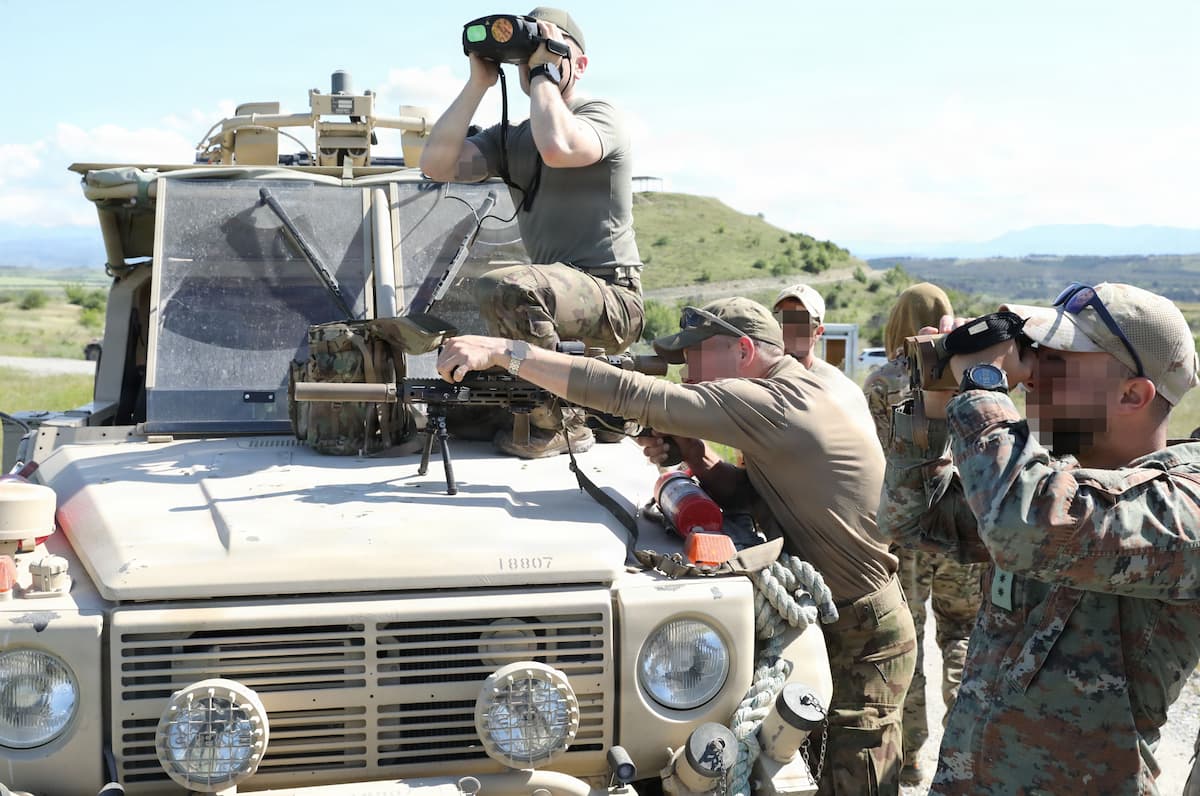
NATO’s summary described TFP26 as covering the full spectrum of special operations tasks, from reconnaissance and sensitive-site operations to direct action, and as a setting to test operational concepts against hybrid threats. Lt. Gen. Angle put the emphasis on testing. In a SOCEUR video interview recorded during the exercise, he said TFP26 was a chance to take lessons from the war in Ukraine and apply them in a demanding exercise environment, to “see if this capability is going to work for us” in “the different type of environments that Europe offers.” No official scenario for the exercise has been published. The tasks below are those described in official releases and imagery.
| Task | What was reported | Where and when |
|---|---|---|
| Raids, reconnaissance and site security | Hungarian, Slovak, Slovenian and U.S. SOF carried out raid, facility-security and reconnaissance tasks, combining land, water and air operations. Swiss and North Macedonian SOF searched for evidence of enemy forces during special reconnaissance training | Hungary; Negotino, North Macedonia, May 14 |
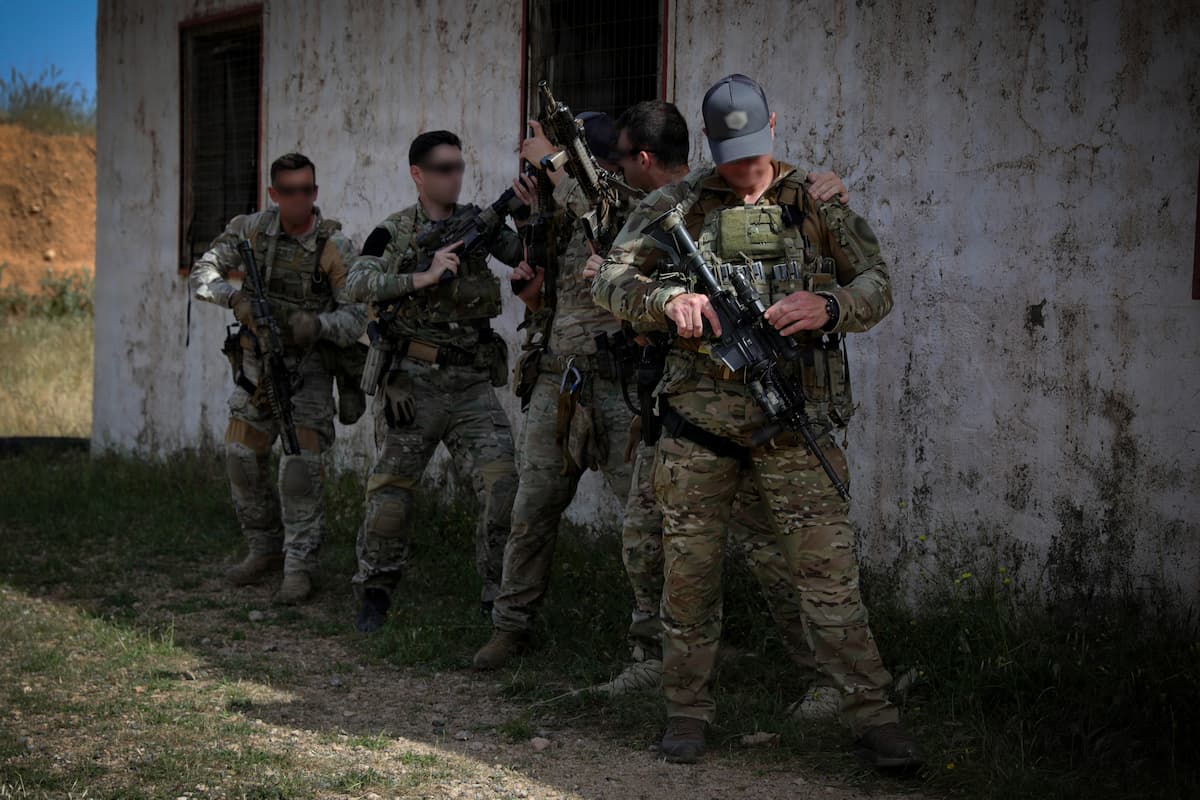
| Close-quarters and urban combat | Green Berets trained with Greek and North Macedonian SOF on close-quarters combat, movement through rugged terrain and mock missions; Greek SOF rehearsed room clearing. Romania’s segment centered on an urban sequence by a mixed Romanian-Italian SOF structure | Nea Peramos, Greece, May 11; Comănești, Romania, May 21 |
| Airborne insertion | Green Berets and Greek SOF prepared for a static-line jump from a C-130 | Nea Peramos, Greece, May 13 |
| Maritime operations | Green Berets were recovered from the water by boat with Greek and North Macedonian SOF. Greek soldiers prepared for visit, board, search and seizure training on a Greek navy ship. Georgia’s segment combined land and maritime operations | Gulf of Elefsina, May 13; Skaramangas Naval Base, May 14; Georgia, from May 13 |
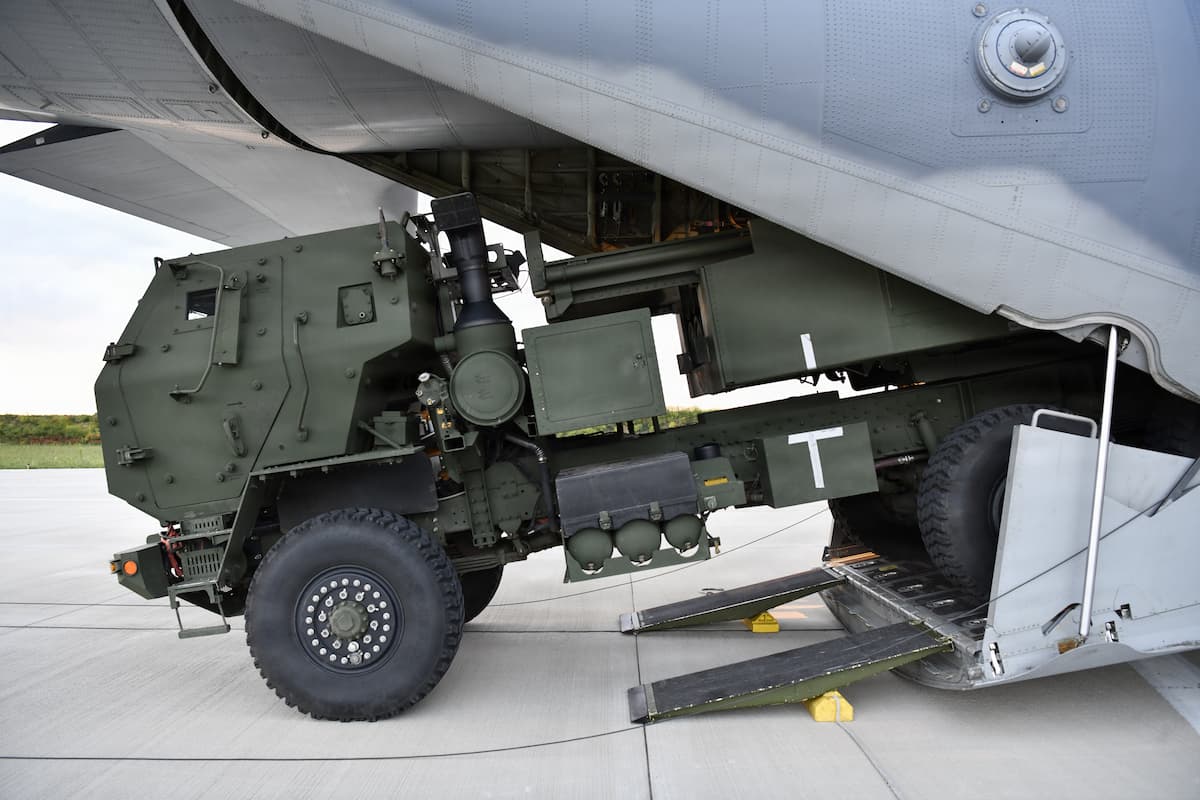
| Contested logistics and rapid insertion | Long-Range Grasshopper cargo gliders were launched from Romanian C-27J aircraft. A Romanian Army HIMARS launcher backed into a U.S. Air Force MC-130J in a demonstration of rapid HIMARS delivery | Romania, May 15; Krivolak, North Macedonia, May 18; near Bucharest, May 20 |
| Space and electronic warfare | The U.S. Space Force supported the exercise with Tactical Surveillance, Reconnaissance and Tracking and GPS and GNSS jamming | Exercise-wide |
Taken together, the tasks trace a sequence that runs from getting in, through airborne, maritime and ground infiltration, to acting on the objective in raids, urban assault and site security, to sustaining forces once they are in contested territory by glider resupply and rapid HIMARS delivery, all under degraded navigation.
The Balkans: Greece and North Macedonia
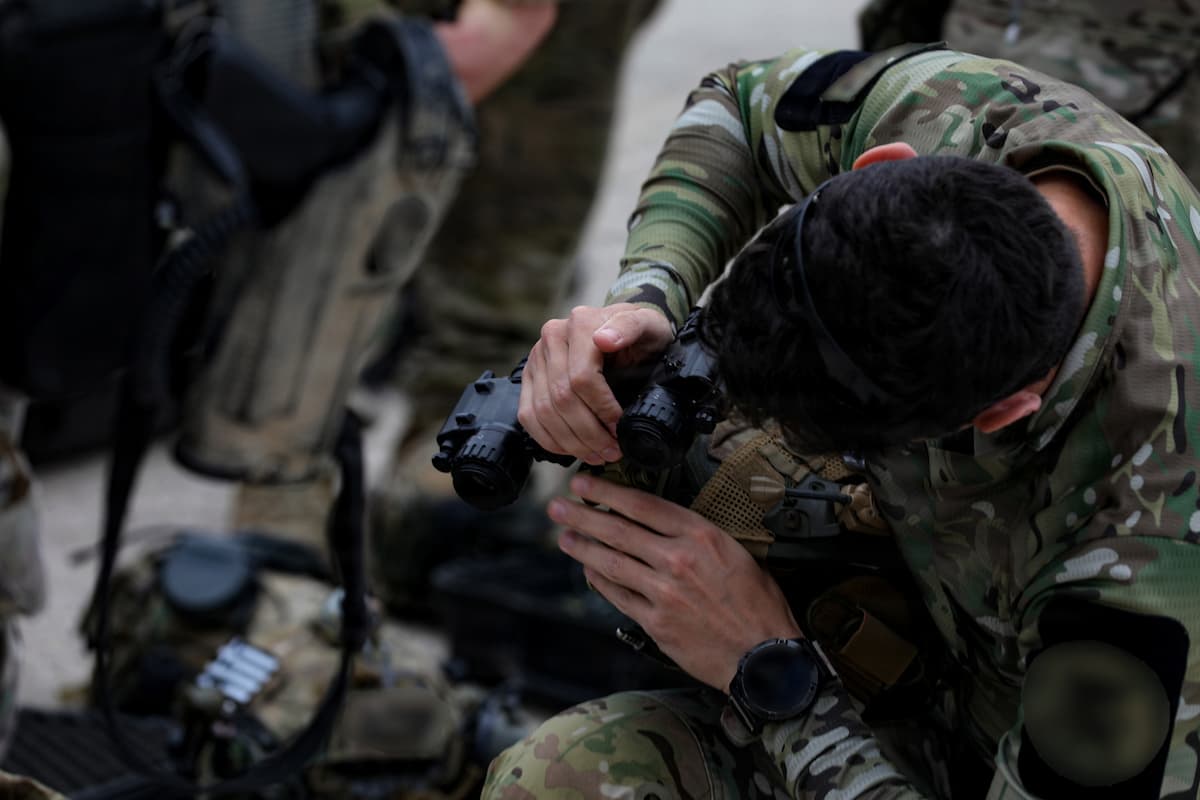
The most detailed U.S. account comes from Greece, where Green Berets of the 20th Special Forces Group (Airborne) trained with Greek and North Macedonian special forces in scenarios simulating a crisis or conflict in the region. A team commander described the aim in practical terms: interoperability means making sure “our radios can actually talk to their radios,” that U.S. troops understand partners’ hand signals and that partners understand U.S. tactics. When the teams worked with Greek and North Macedonian forces, he said, the goal was to synchronize gear and mindset.
Romania and Hungary: allied segments
Romania’s Defense Ministry used TFP26 for a public demonstration. It announced that its special operations command would stage an urban training sequence at Comănești on the evening of May 21, carried out by a mixed structure of Romanian and Italian SOF operators. The sequence was built around infiltration to an objective by air and by land, with the air portion planned on Romanian Air Force aircraft.
Hungary, one of the host countries, ran a segment with its regional partners. According to the Hungarian Defense Ministry, Hungarian, Slovak, Slovenian and U.S. special operations forces carried out raid, facility-security and reconnaissance tasks together, combining land, water and air operations.
Georgia: Black Sea Gateway 2026
Georgia described its part of TFP26 as a named exercise in its own right. According to the Georgian Defense Ministry, the country hosted “Black Sea Gateway 2026,” a land and maritime segment co-organized by SOCEUR and the Georgian Defense Forces, which opened on May 13 at the Special Operations Command base in Mukhrovani, outside Tbilisi. Special operations personnel from Georgia, the United States, Poland, the United Kingdom, Spain and Romania took part. Georgia’s ministry published more detail about its own contribution than any other participant, which is why this segment can be described at unit level and the others cannot. Georgian contributors included the Special Operations Command’s Rangers Battalion, its Eastern and Western special operations battalions, National Guard reconnaissance companies and Territorial Reserve personnel, according to the ministry as reported. Civil.ge noted that this was the fourth time Georgia has hosted the exercise, after 2021, 2022 and 2024.
New systems: the Grasshopper glider and space effects
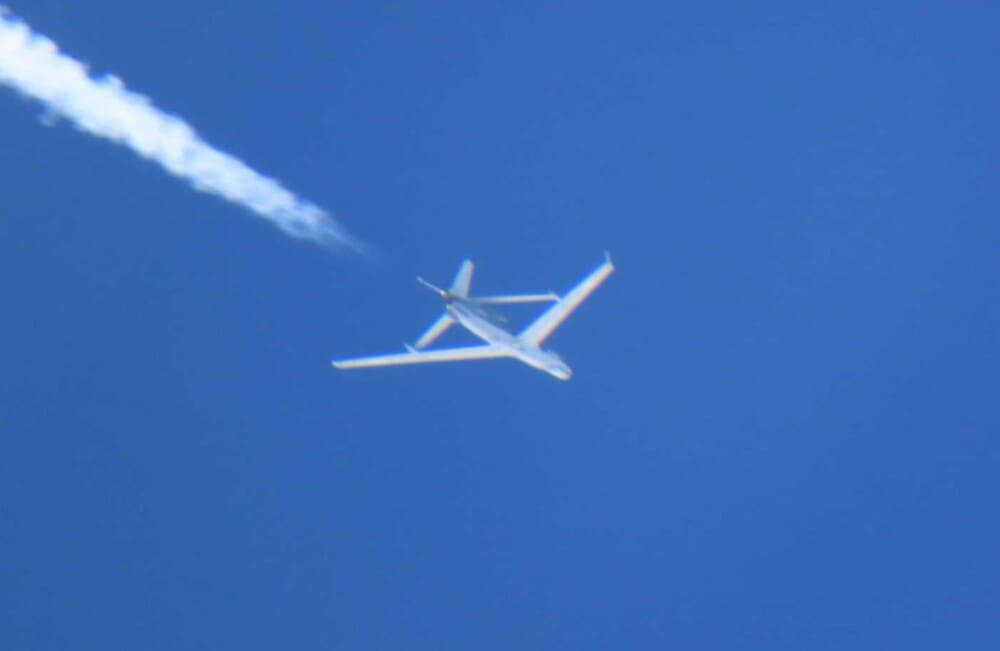
The technology headline of TFP26 was the Long-Range Grasshopper, an expendable, low-cost cargo glider that SOCEUR says can deliver 500-pound payloads over hundreds of miles. According to SOCEUR, the system made its first operational drops in the U.S. European Command theater during TFP26, one in Romania and one in North Macedonia. Romanian Air Force C-27 aircraft served as the launch platforms, and SOCEUR credited the result to coordination among its logistics directorate, engineers from the manufacturer, DZYNE Technologies, and allied forces.
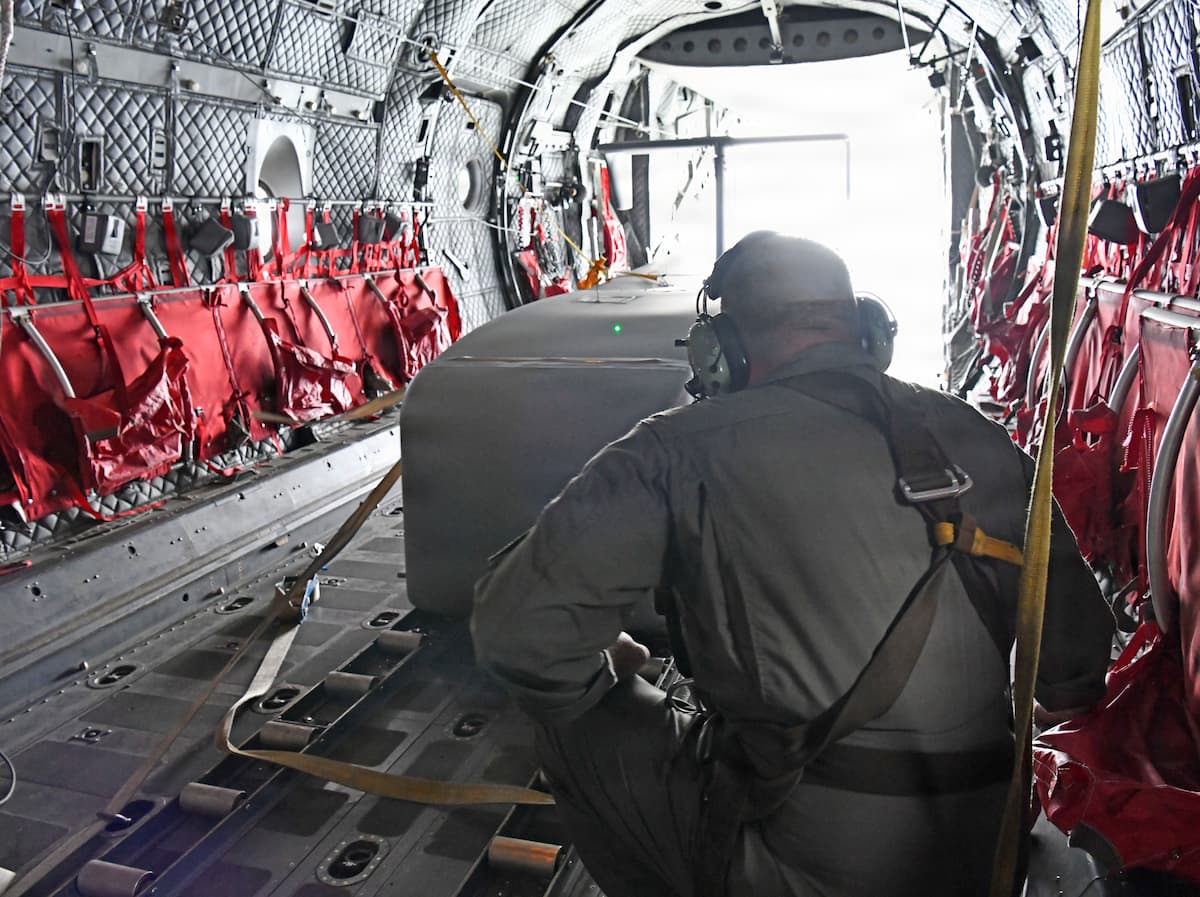
Maj. Jarret Flexman, SOCEUR’s chief of plans and exercises, presented the glider as an answer to the limits of current airdrop systems. He said legacy systems face limits in standoff distance and are susceptible to wind-induced inaccuracies, while the Grasshopper is not affected by winds and offers a standoff range of hundreds of miles. DVIDS photos of the North Macedonia landing, as Task & Purpose noted, show the glider on the ground with minor damage. SOCEUR’s own account adds that using such systems in high-risk situations will require deeper coordination and interoperability between allies and partners.
The exercise also demonstrated the U.S. Space Force’s growing role in special operations, including Tactical Surveillance, Reconnaissance and Tracking and GPS and GNSS jamming. Maj. Edward Tabbutt, TFP26’s effects cell chief, said adversaries present a denied, degraded and contested environment, and that Guardians would show what space capabilities can bring to the fight.
Scale in context
NATO called TFP26 the largest iteration of the exercise to date. The two previous editions give a sense of the range. Trojan Footprint 24, held March 4–15, 2024, under the umbrella of NATO’s Steadfast Defender 24, had about 2,000 participants, including roughly 900 U.S. service members, from 13 named nations at locations in six countries. For Trojan Footprint 22, held May 2–13, 2022, SOCEUR reported more than 3,300 participants from 30 nations and operations in 15 host nations.
The superlative has been used before. NATO’s own Multinational Corps Northeast described TFP22 in 2023 as the largest special operations forces exercise in Europe to date, on numbers higher than this year’s in both participants and nations. Neither command has published how participants are counted from one edition to the next, so the figures show the order of magnitude rather than a precise ranking.
The 2022 account is also useful for what it described about the command side of the exercise: a combined joint force special operations headquarters in Stuttgart, where 15 coalition partners took part in crisis planning from three NATO-secret locations. The published TFP26 materials do not describe how command was organized this year. According to the U.S. Special Operations Command 2026 Fact Book, exercising multinational mission command across echelon is one of Trojan Footprint’s purposes.
What remains undisclosed
The official record answers the basic questions: who led TFP26, roughly how many people took part, which nations were involved, and what several host nations and the new cargo glider did. It leaves open the full list of the 10 host countries, the segments in the Baltic states, Poland, Bulgaria, Croatia and Germany, where Albania, Czechia, Montenegro, Portugal and Moldova took part, and how teams performed under GPS jamming. Those gaps are the natural starting point for coverage of the next iteration.
Sources
Primary and official documents
- NATO SHAPE — NATO Special Operations Forces strengthen Alliance Readiness through TROJAN FOOTPRINT 2026, May 22, 2026
- U.S. Special Operations Command Europe — U.S. Special Operations Command Europe Commences Trojan Footprint 2026, May 11, 2026; also as a PDF on socom.mil
- DVIDS — SOCEUR leads Trojan Footprint 26, premier special ops exercise in Europe, May 28, 2026
- DVIDS — Grasshopper: The descending angel, May 25, 2026
- SOCEUR — Inside Trojan Footprint 2026 with Lt. Gen. Richard E. Angle, video, May 18, 2026; also on the command’s official YouTube channel
- Romanian Ministry of National Defense — Media Day la exercițiul multinațional Trojan Footprint 2026, press release No. 145, May 19, 2026
- Hungarian Ministry of Defense — Határok nélkül – különleges műveletekben, May 30, 2026
- U.S. European Command and SOCEUR — Special Ops exercise Trojan Footprint kicks off, March 4, 2024, GlobalSecurity.org mirror, for the Trojan Footprint 24 figures
- DVIDS — Trojan Footprint 22 tests interoperability, increases allied partnership, May 25, 2022
- U.S. Special Operations Command — 2026 Fact Book (PDF)
Trade press and analysis
- Civil.ge — Georgia Hosts U.S.-led Trojan Footprint 2026 Drills, May 13, 2026, citing the Georgian Defense Ministry
- 1TV Armenia — Multinational special operations forces exercise Trojan Footprint 2026 officially launched in Georgia, May 13, 2026, citing the Georgian Defense Ministry and Georgian Public Broadcaster
- Nicholas Slayton — Green Berets tested glider drones for supply drops during a massive special operations exercise, Task & Purpose, May 26, 2026