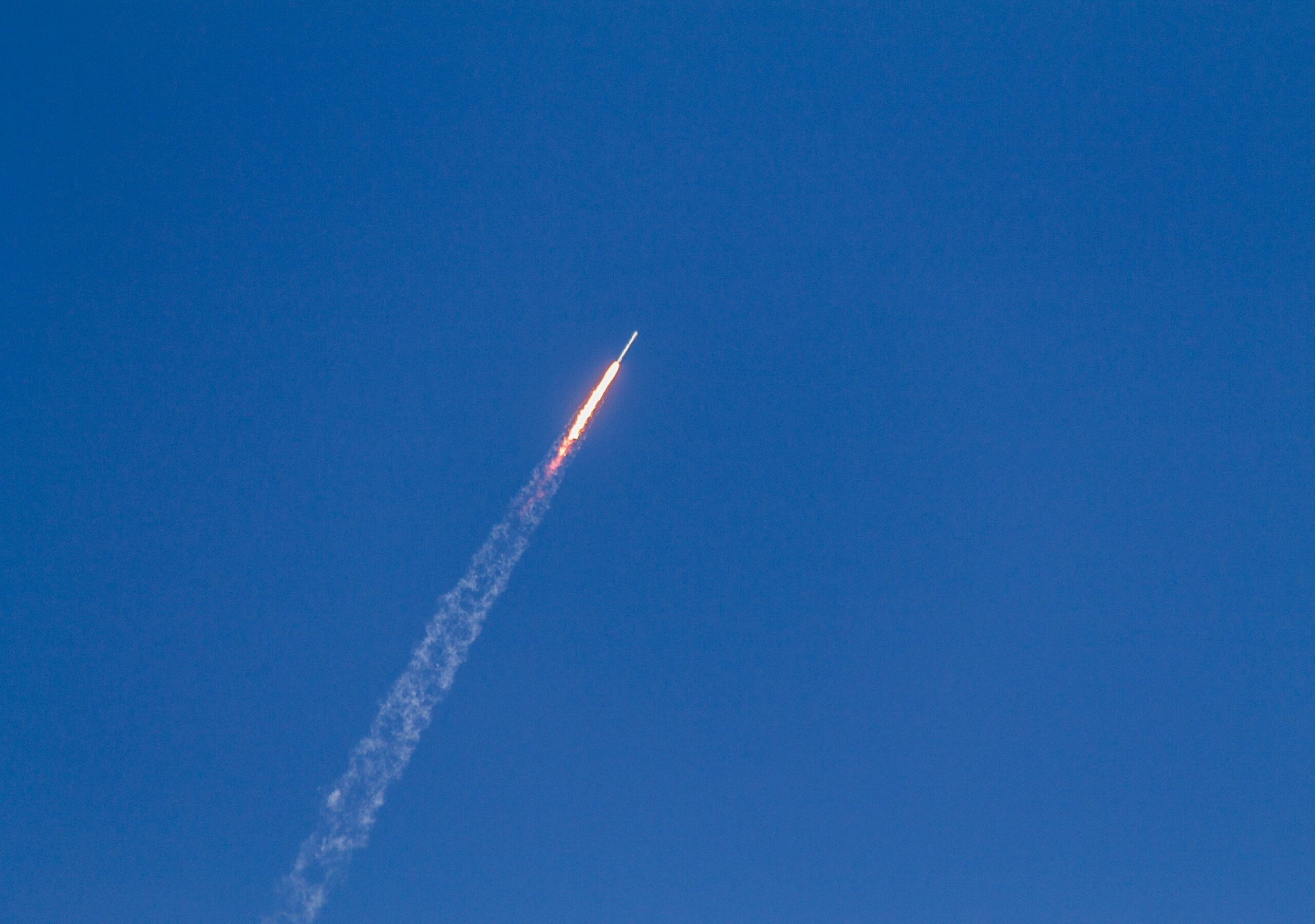
The cheapest useful attack drone now costs less than a rifle did a generation ago, and the factory turning out thousands a month does not look like a defense plant. Precision has become abundant, which changes what an army has to protect.
This section covers strike systems and the effectors built to counter them. Cruise and ballistic missiles, hypersonic weapons, air-launched munitions, loitering munitions, one-way attack drones, reconnaissance and armed unmanned aircraft, uncrewed surface vessels, and the counter-UAS side that now runs from guns and nets to high-energy lasers and high-power microwave.
Directed energy is treated on its own terms here. A 50-kilowatt laser needs roughly 150 to 250 kilowatts of prime power and somewhere to dump the waste heat, so the hard part is usually the ship or vehicle carrying it rather than the beam. Range figures are reported with the weather they were achieved in.
Production rate is reported alongside performance wherever a figure exists. Combat use is described from what can be verified, with claims by a party to a conflict attributed to that party.
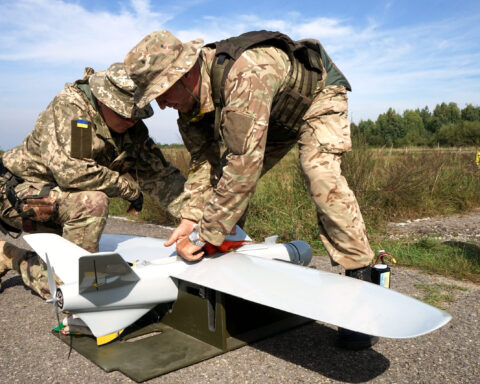
European armies just wrapped up three weeks of hands-on trials that pushed small drones and ground robots through the same last-mile supply missions now common on Ukrainian front lines. Engineers and soldiers moved ammunition, water, and medical kits without a single crewed
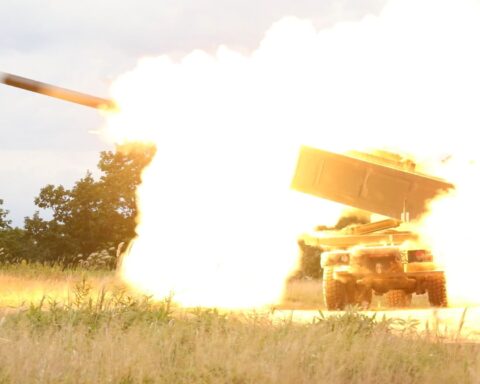
The Army is moving fast to fold a new hypersonic strike option into its tactical fires family. Budget lines for fiscal year 2026 outline Project HX3, a pathway that funnels $25 million toward Castelion's Blackbeard Ground Launch missile and an autonomous launcher
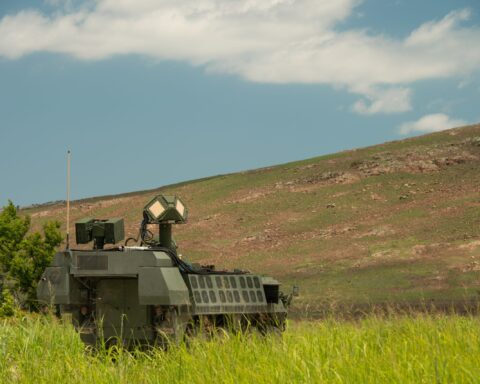
Soldiers at Fort Sill fired a Stryker-mounted laser in a real tactical drill for the first time. The short event lasted only minutes, yet it closed a twenty-year gap between early laboratory trials and practical field use. Defense officials confirm that the
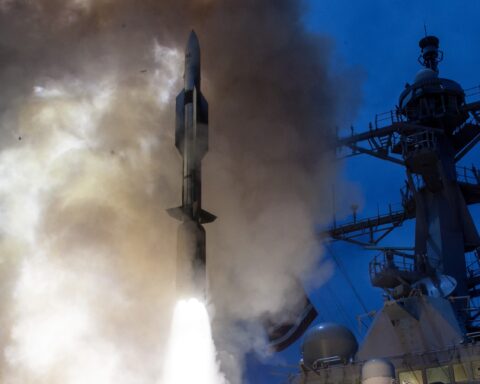
The U.S. Navy built its Fiscal Year 2026 weapons plan around one assumption. Congress will pass a one-time reconciliation bill that adds billions to the base defense budget. Inside that bill sits most of the money for 139 Standard Missile-6 interceptors. The
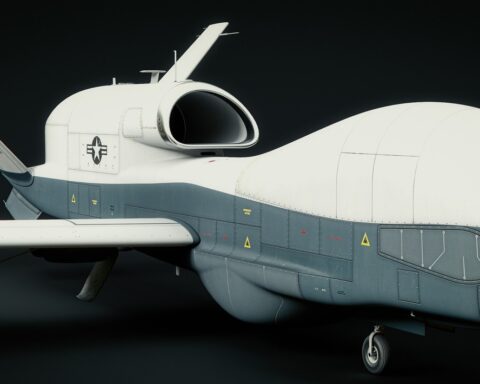
The first taxi runs of Jiutian’s SS-UAV “drone mothership” at a private airfield in Sichuan on 16 June reflect how far China’s unmanned programs have moved in a single decade. According to industry sources, technicians completed telemetry checks in less than six
PARIS — MBDA, Europe’s largest missile maker, has shown a new low‑cost drone called the One‑Way Effector (OWE). The idea is simple: send many cheap drones first, force the enemy to shoot them down, then fire expensive cruise missiles through the gaps.
The Missile Defense Agency (MDA) signed a new deal on 10 June 2025. It is an indefinite-delivery, indefinite-quantity contract worth up to $429 million with Integration Innovation Inc. (i3). The Huntsville firm must collect missile-test data, check its quality, and turn the
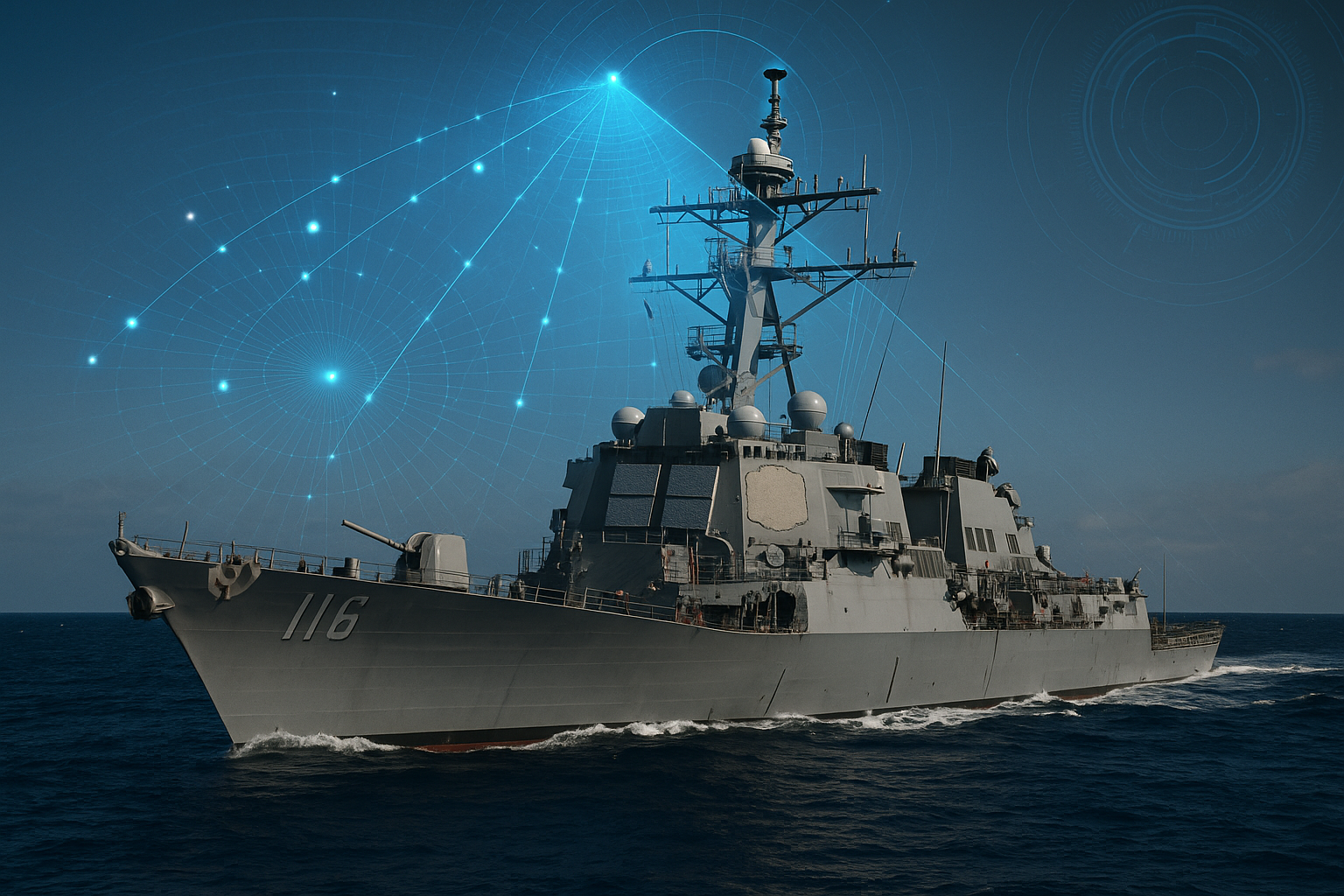
The Navy has issued a $646 million contract option to Raytheon for four additional AN/SPY-6(V) radars. Defense officials confirm this is the fourth option exercised under a five-year hardware, production, and sustainment agreement signed in 2022.
Purdue University in West Lafayette has finished a large step in high-speed flight study. The new Hypersonics Applied Research Facility (HARF) cost about $41 million and covers near 65 000 sq ft. It sits inside the Discovery Park District, close to existing
The United States okayed the largest single arms deal in Kosovo’s short history. Pristina can now order 246 Javelin FGM-148F missiles plus 24 Lightweight Command Launch Units, worth about $75 million. Officials in both capitals frame the move as key step in