An interceptor that works costs more than the thing it destroys, and there are fewer of them than anyone would like. That exchange ratio has become the organizing problem of modern weapons development. A one-way attack drone assembled for a few tens of thousands of dollars can force the launch of a missile costing several million, and no magazine survives that trade for long.
This section covers the effectors and the software around them. Missiles and munitions, unmanned systems, air and missile defense, electronic warfare, cyber, lasers and high-power microwave, autonomy, propulsion, and the mission software that decides how quickly any of it can be changed.
Demonstrations are treated as demonstrations. A laser that shot down a drone on a range in good weather is not a fielded capability, and coverage says which one it is.
Production rate matters as much as performance. A weapon nobody can build at scale is a briefing slide.
The contract keeps Raytheon busy well into 2028. The firm will push out more Silent Knight units, spares, an updated software pack, plus support gear. U.S. Special Operations Command wants these radars so aircrews can hug the rough ground at night and
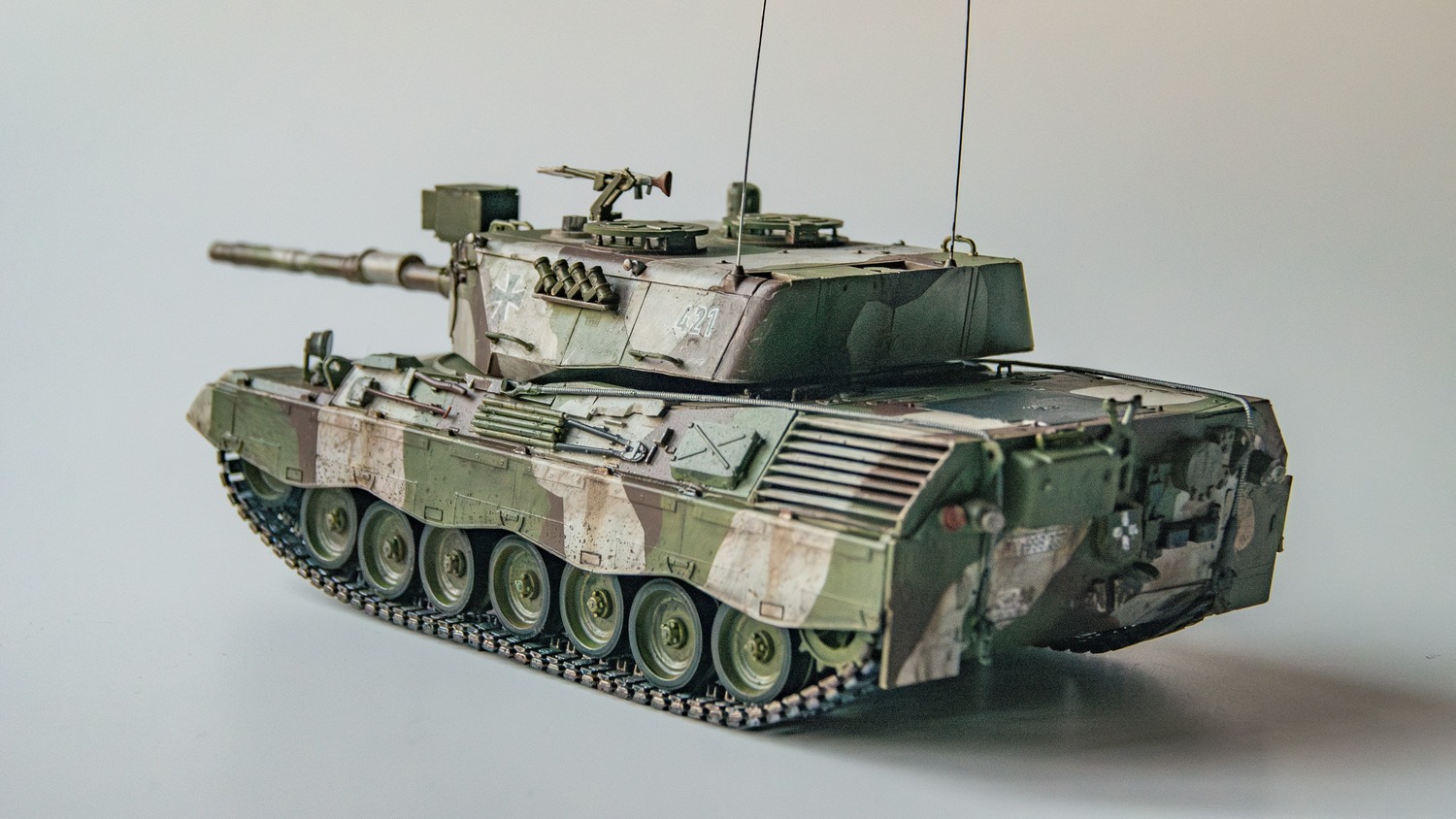
Every tank feels different. Controls on a T-72 ask for muscle memory, while the Leopard’s clutch and gearbox demand a softer touch. “The Leo turns quicker and keeps speed on hills,” one Ukrainian trainee explains through a volunteer interpreter. “That helps when
The Taranis unmanned combat air vehicle once showed up in the corner of BAE Systems’ Warton site, almost out of sight. At first glance the jet-black body looked like a sculpture more than a warplane. That day in 2010 set off fresh
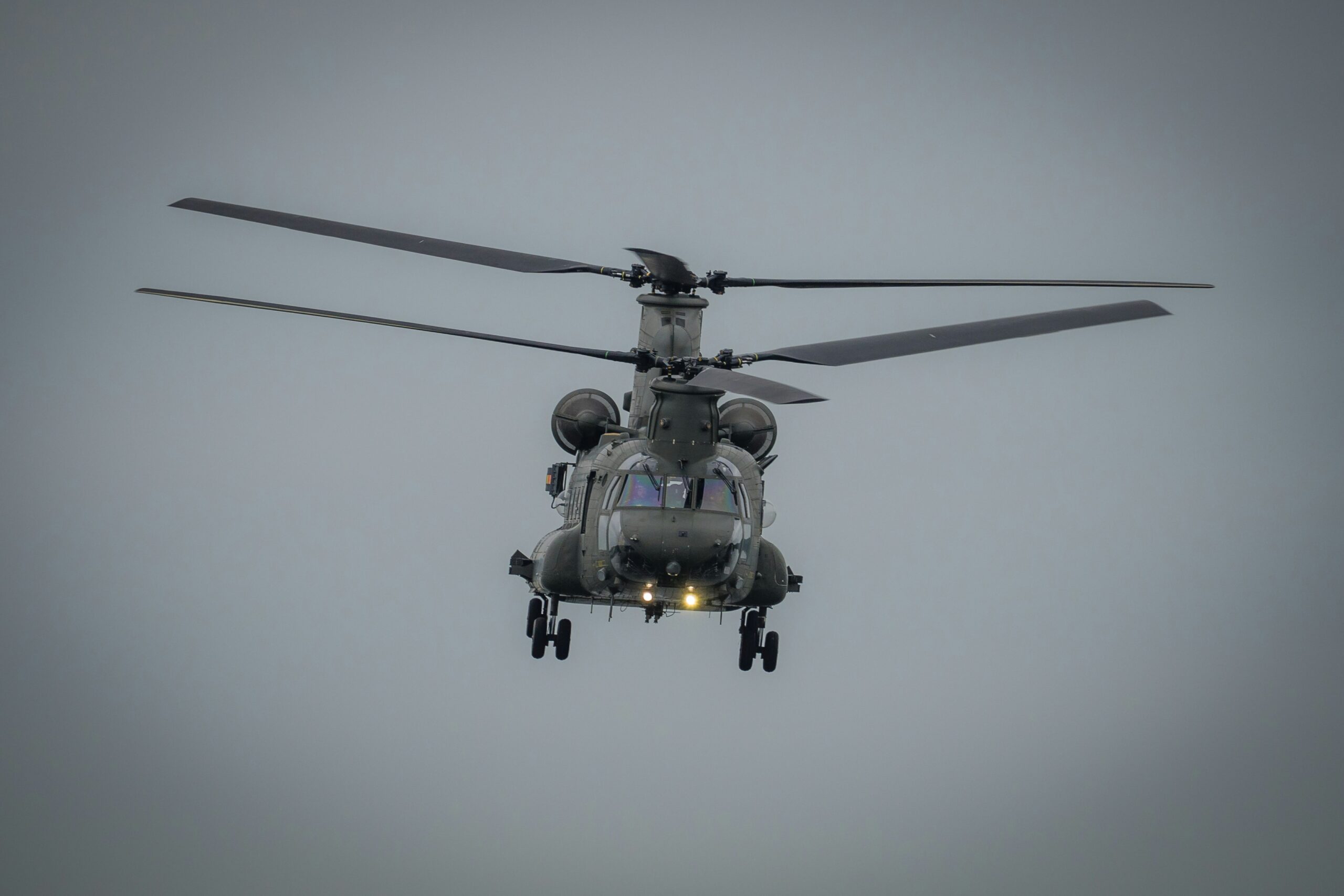
China’s medium-lift Z-20 is no longer a paper plan. Pilots in several PLA brigades now fly the grey-green machines every week. Beijing says the type is home-grown, tuned for thin air over Tibet, and ready for sea duty as well. Western watchers
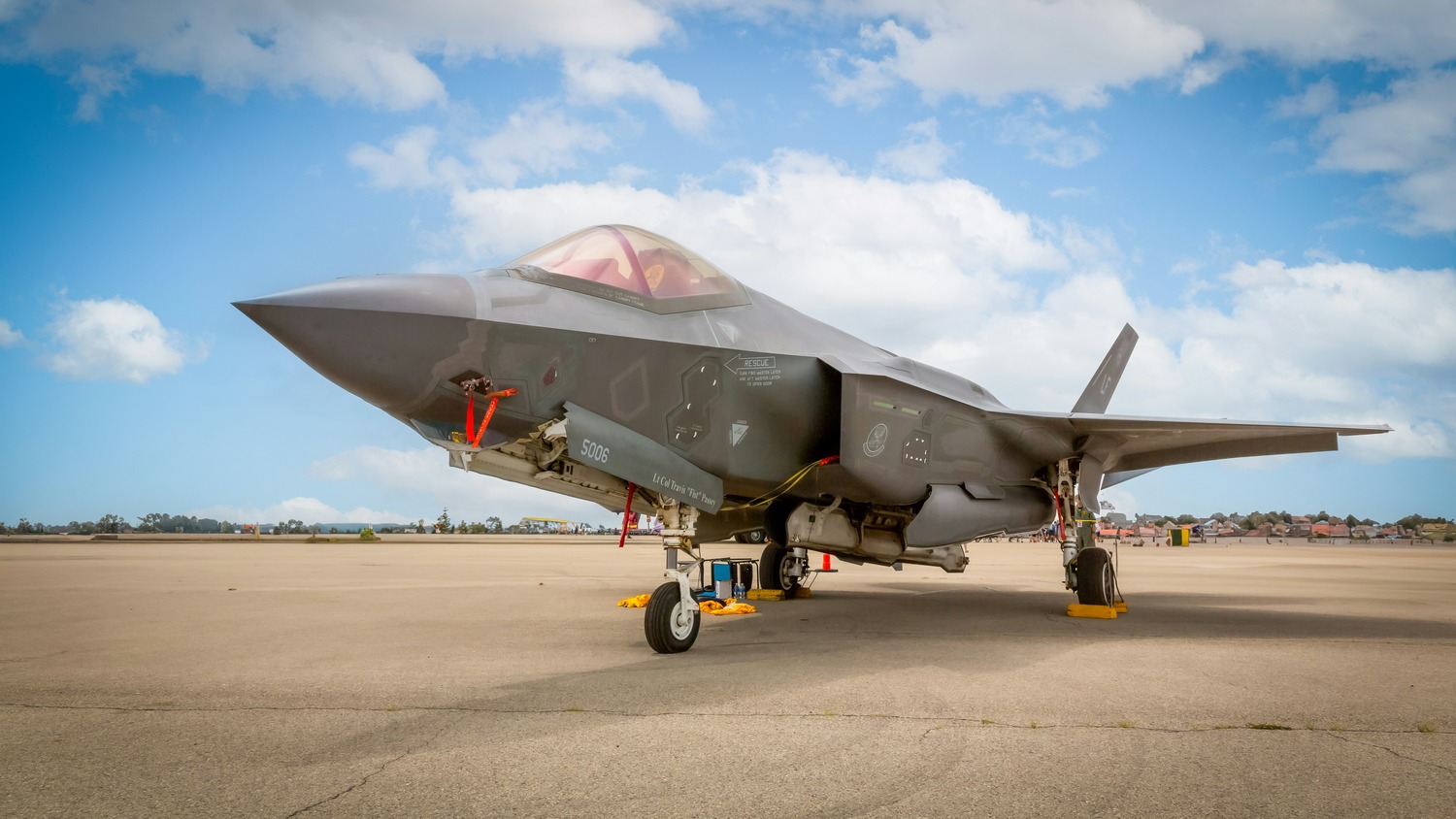
The Mitchell Institute today rolled out a 72-page policy paper that warns of a shrinking, aging U.S. fighter force and calls for an urgent production surge of F-35As equipped with Technology Refresh 3 and Block 4 upgrades.
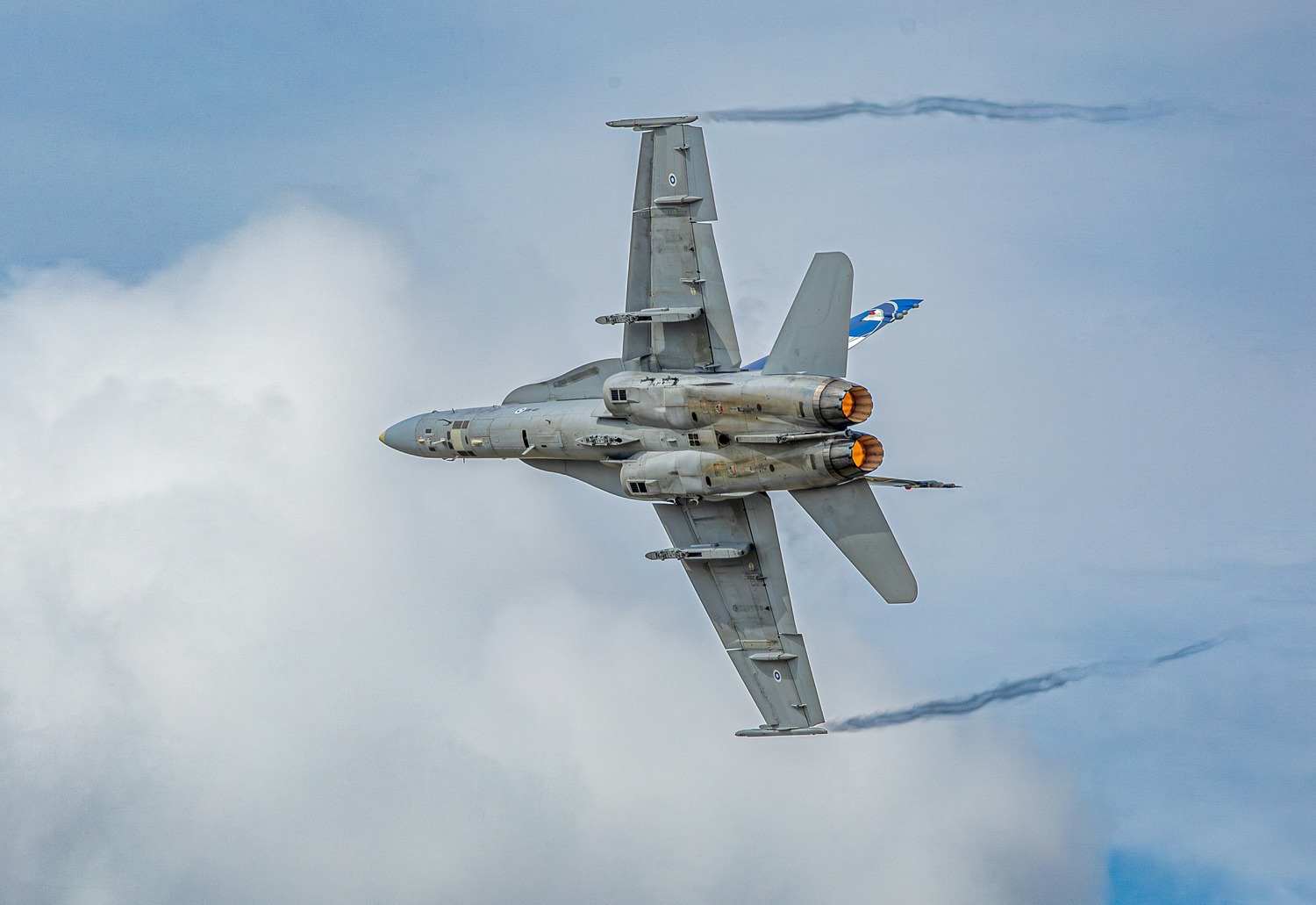
US Air Force F-22s form up with F-35s near Eglin AFB in May. A new Mitchell Institute paper claims the fighter force is slipping past the point where upgrades alone can close the gap. (USAF photo) The Mitchell Institute’s latest policy study
The Royal Australian Air Force keeps 41 de-commissioned F/A-18A/B Hornets in climate-controlled hangars at RAAF Base Williamtown. Canberra, Washington, and Kyiv are now in formal talks that could move a portion of that fleet to Ukraine instead of a scrapyard.
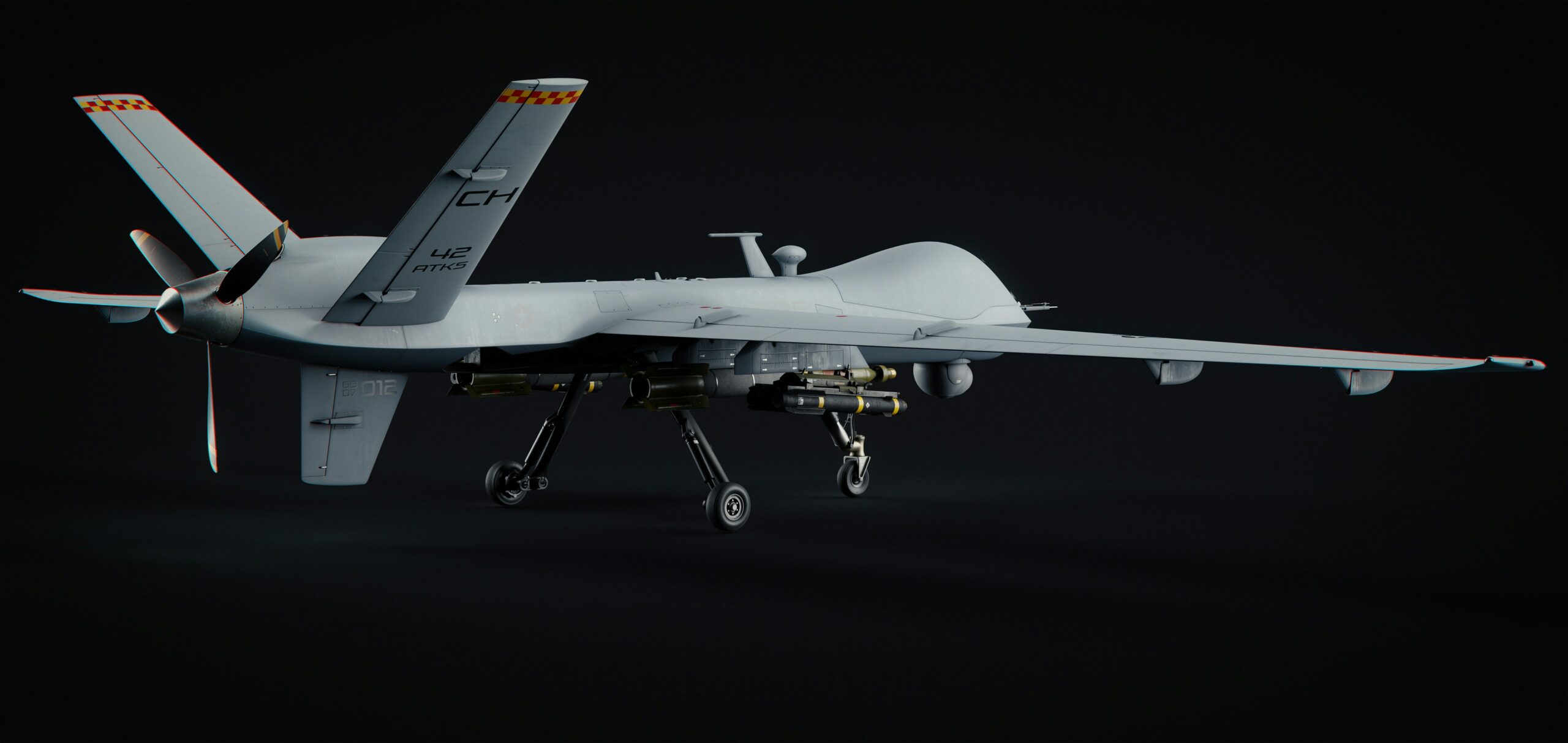
The United Kingdom faces fresh budget pain round its next-gen Protector RG Mk 1 drones. Latest figures show the bill jumping forty per cent above first plan. Ministers stay quiet on why the math went off, yet insiders point at fast-shifting specs
The French, German, and Spanish defense ministries have committed to the next stage of the tri-national Future Combat Air System. Their signature on Phase 1B unlocks €3.2 billion for a thirty-six-month round of design and demonstration work. The agreement comes two weeks
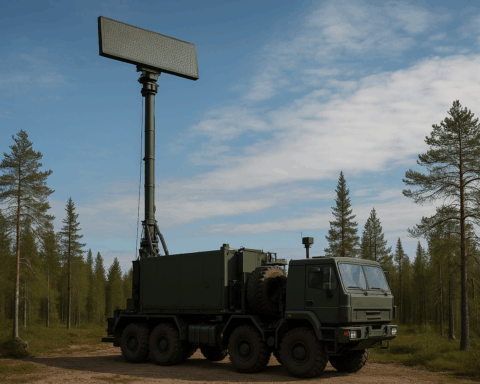
Finland has decided to keep its backbone air-surveillance radars in shape for another five years. Defence Minister Jussi Niinistö authorized the Defence Forces Logistics Command to sign an extension with Thales LAS France S.A.S.
Missiles / Drones / Directed Energy carries the effectors: cruise and ballistic weapons, loitering munitions, unmanned systems, and the lasers and high-power microwave now being fielded against them. What all of it is aimed at, and what shoots it down, is in Air & Missile Defense Systems.