An interceptor that works costs more than the thing it destroys, and there are fewer of them than anyone would like. That exchange ratio has become the organizing problem of modern weapons development. A one-way attack drone assembled for a few tens of thousands of dollars can force the launch of a missile costing several million, and no magazine survives that trade for long.
This section covers the effectors and the software around them. Missiles and munitions, unmanned systems, air and missile defense, electronic warfare, cyber, lasers and high-power microwave, autonomy, propulsion, and the mission software that decides how quickly any of it can be changed.
Demonstrations are treated as demonstrations. A laser that shot down a drone on a range in good weather is not a fielded capability, and coverage says which one it is.
Production rate matters as much as performance. A weapon nobody can build at scale is a briefing slide.
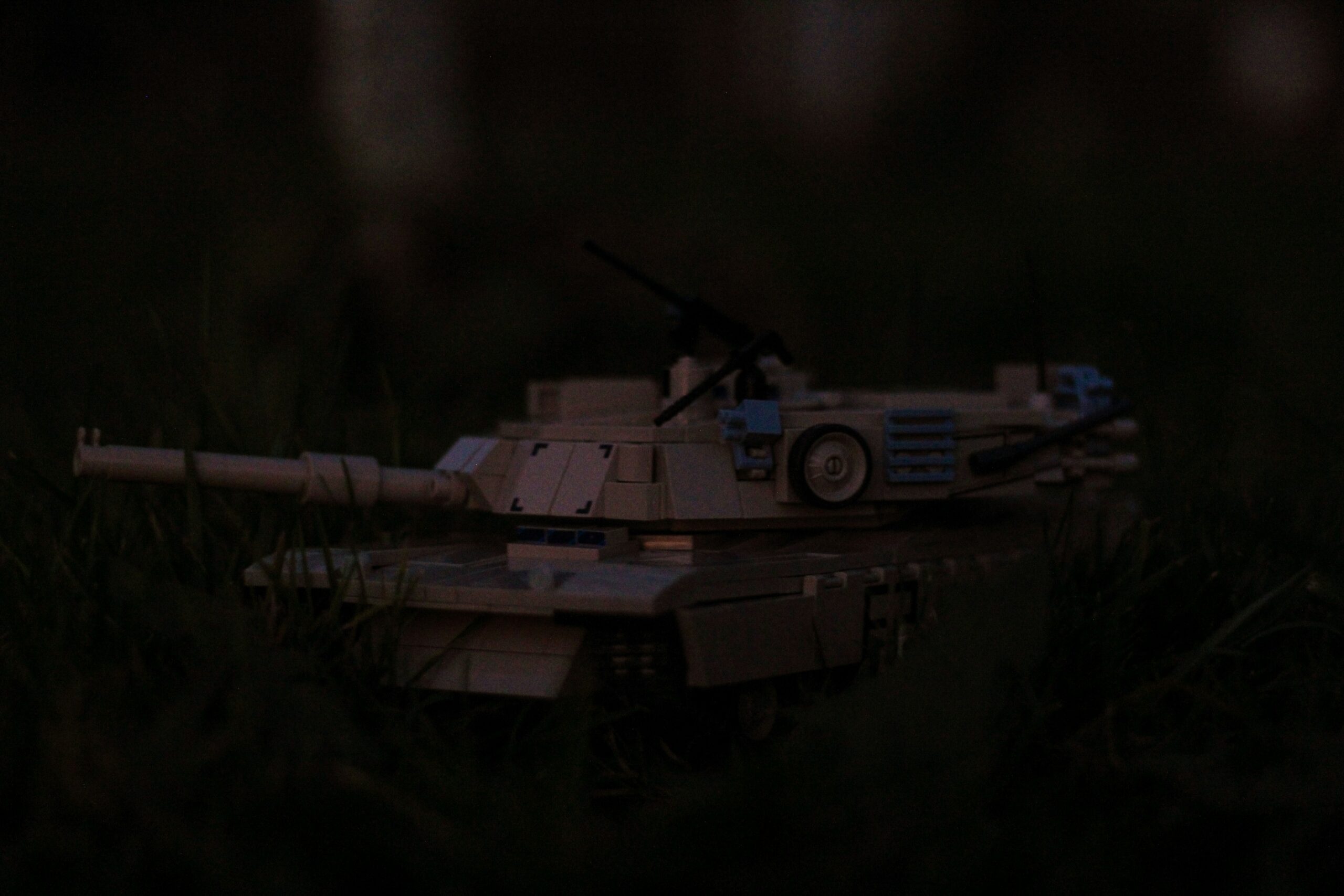
France and Germany have released a revised outline for the Main Ground Combat System (MGCS), the two-nation effort meant to retire the Leclerc and Leopard 2 fleets by the mid-2040s. Defense staff says the update locks roles, targets fresh trials, and places
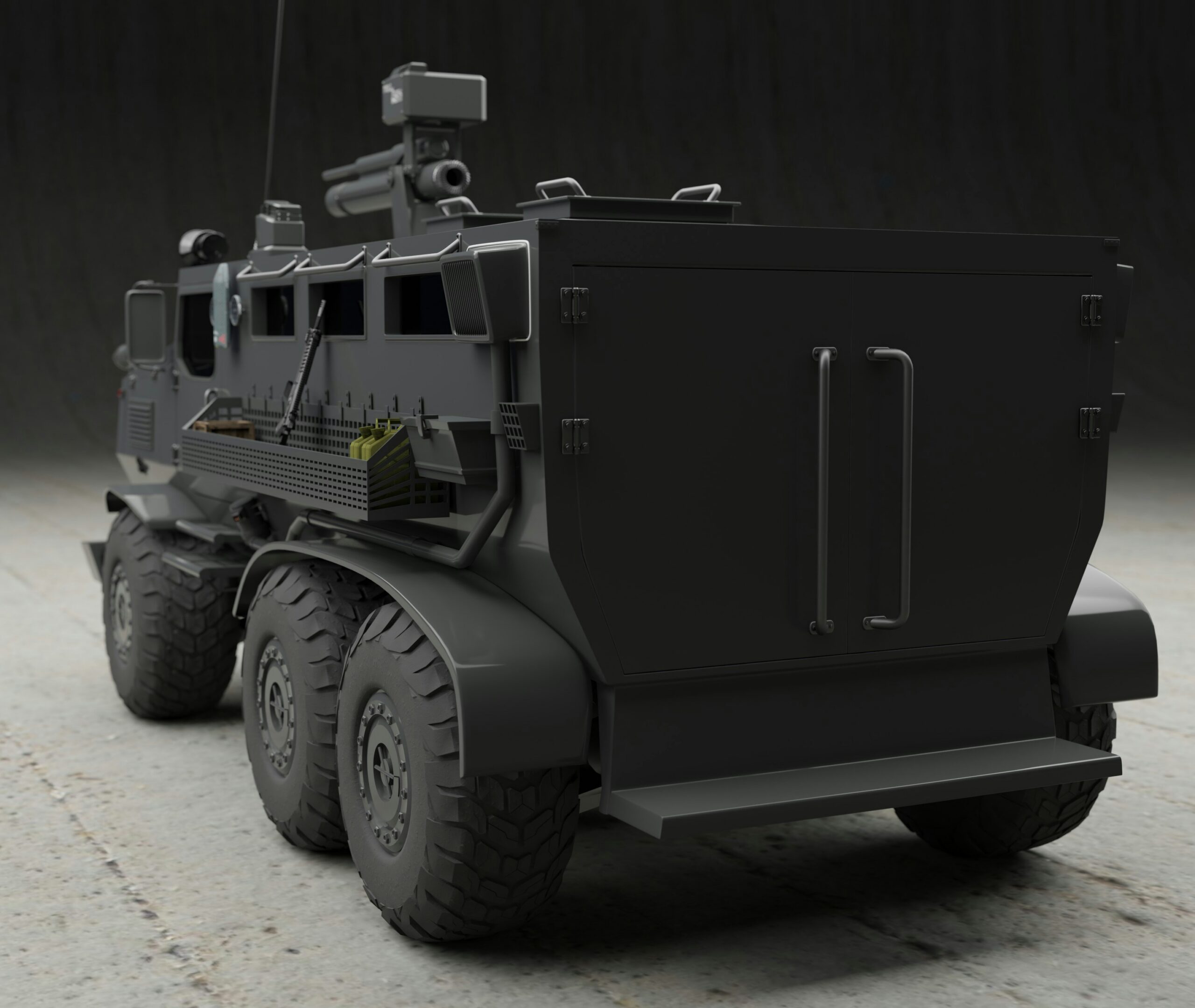
Defense-aerospace.com reports that the Fisingapore Army has introduced a new generation of protected combat support vehicles intended to strengthen its military readiness and safeguard frontline operations. Officials have described these vehicles as pivotal assets that will offer greater survivability, flexible mission profiles,
Purdue University in West Lafayette has finished a large step in high-speed flight study. The new Hypersonics Applied Research Facility (HARF) cost about $41 million and covers near 65 000 sq ft. It sits inside the Discovery Park District, close to existing
The United States okayed the largest single arms deal in Kosovo’s short history. Pristina can now order 246 Javelin FGM-148F missiles plus 24 Lightweight Command Launch Units, worth about $75 million. Officials in both capitals frame the move as key step in
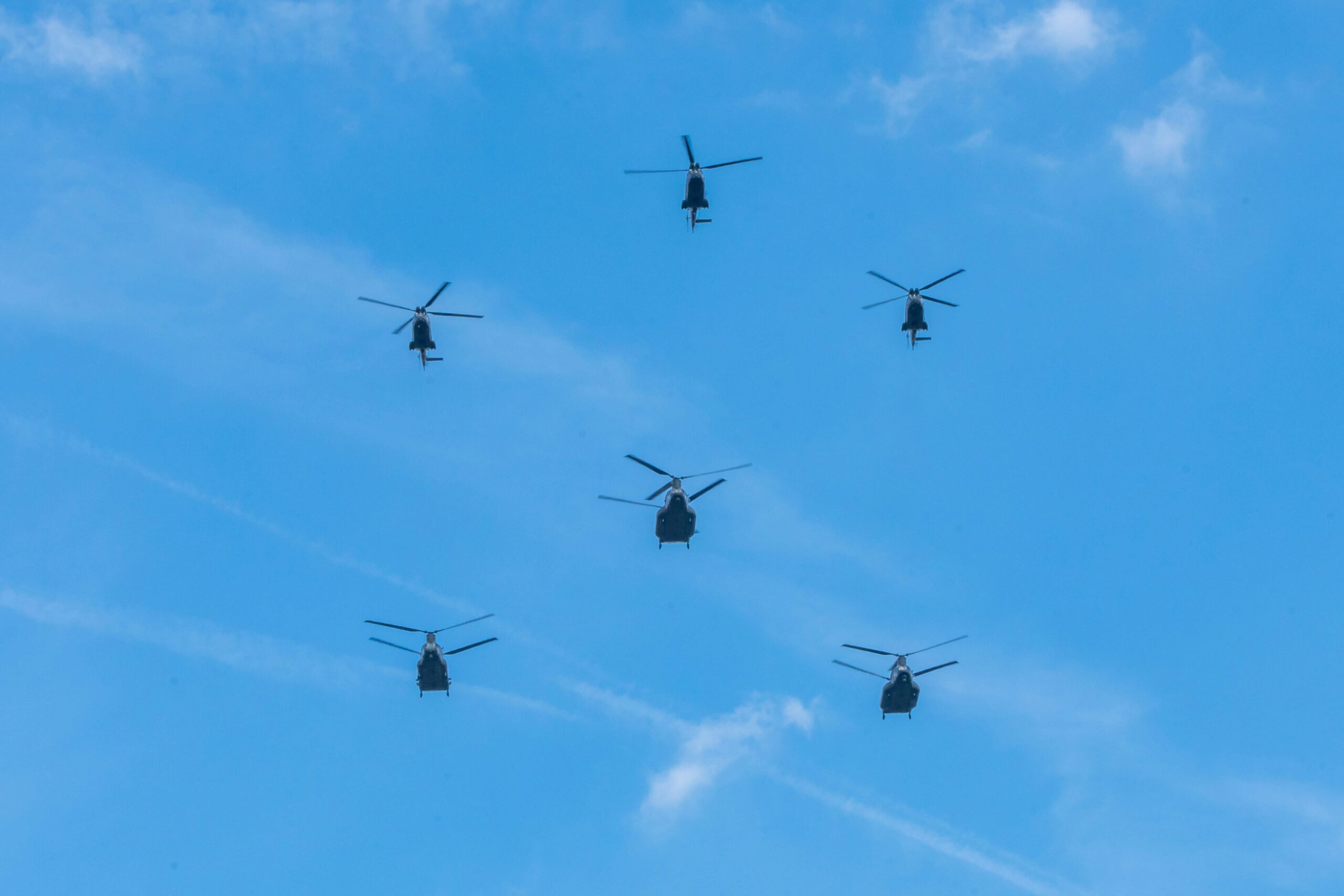
The Republic of Korea Marine Corps now holds the last MUH-1 Marineon helicopter in its hands. KAI moved the final airframe out of Jinju on 28 June 2023. A quick hand-off sign-sheet, few salutes, then crews rolled the machine onto a low-loader.
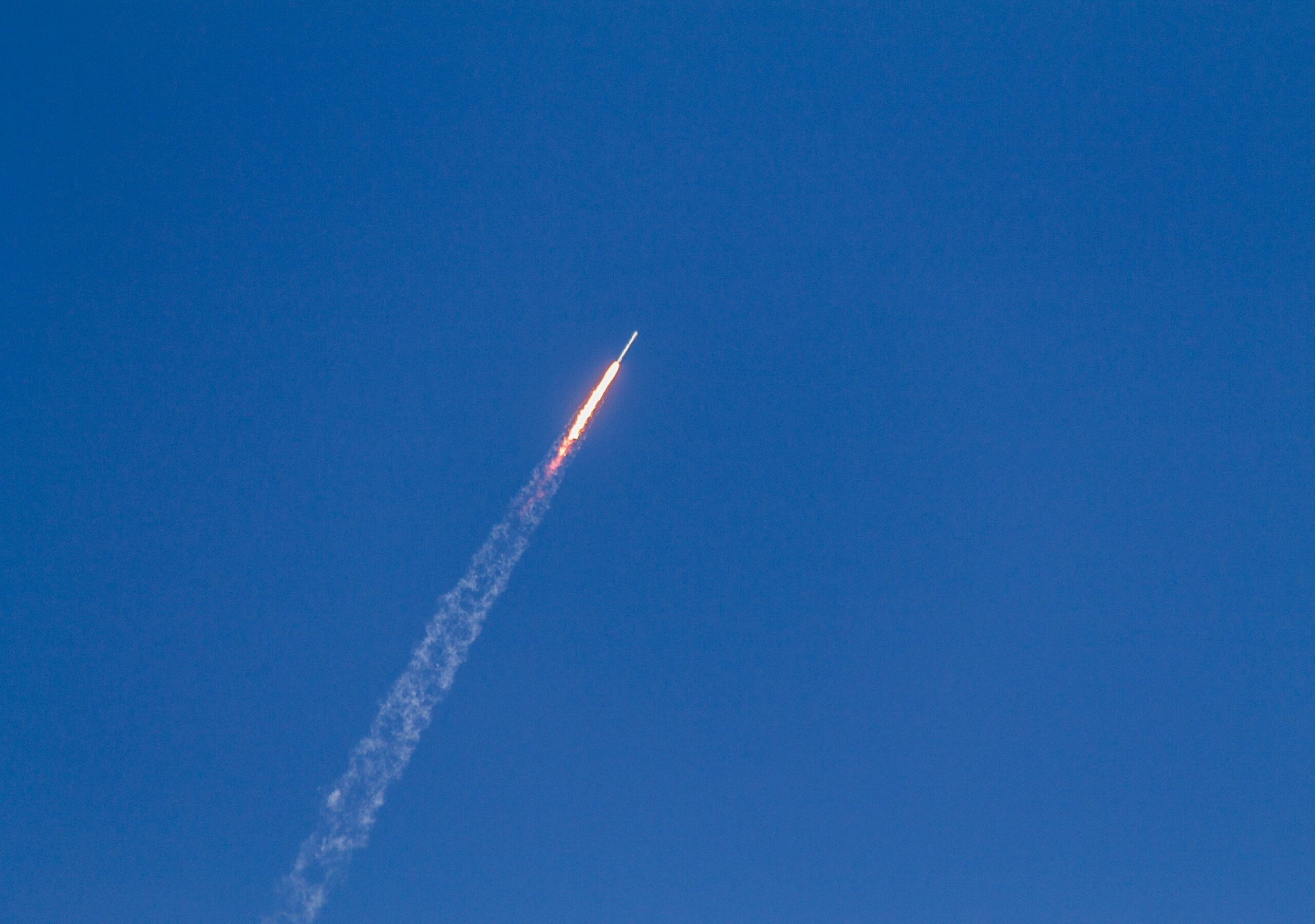
Russia says its new Avangard hypersonic glide vehicle slices through air at Mach 27—about 33 000 km/h. Officers call it a “shift point” for global power, though they spoke carefuly. Analysts in Moscow add that the craft twists faster than most shields
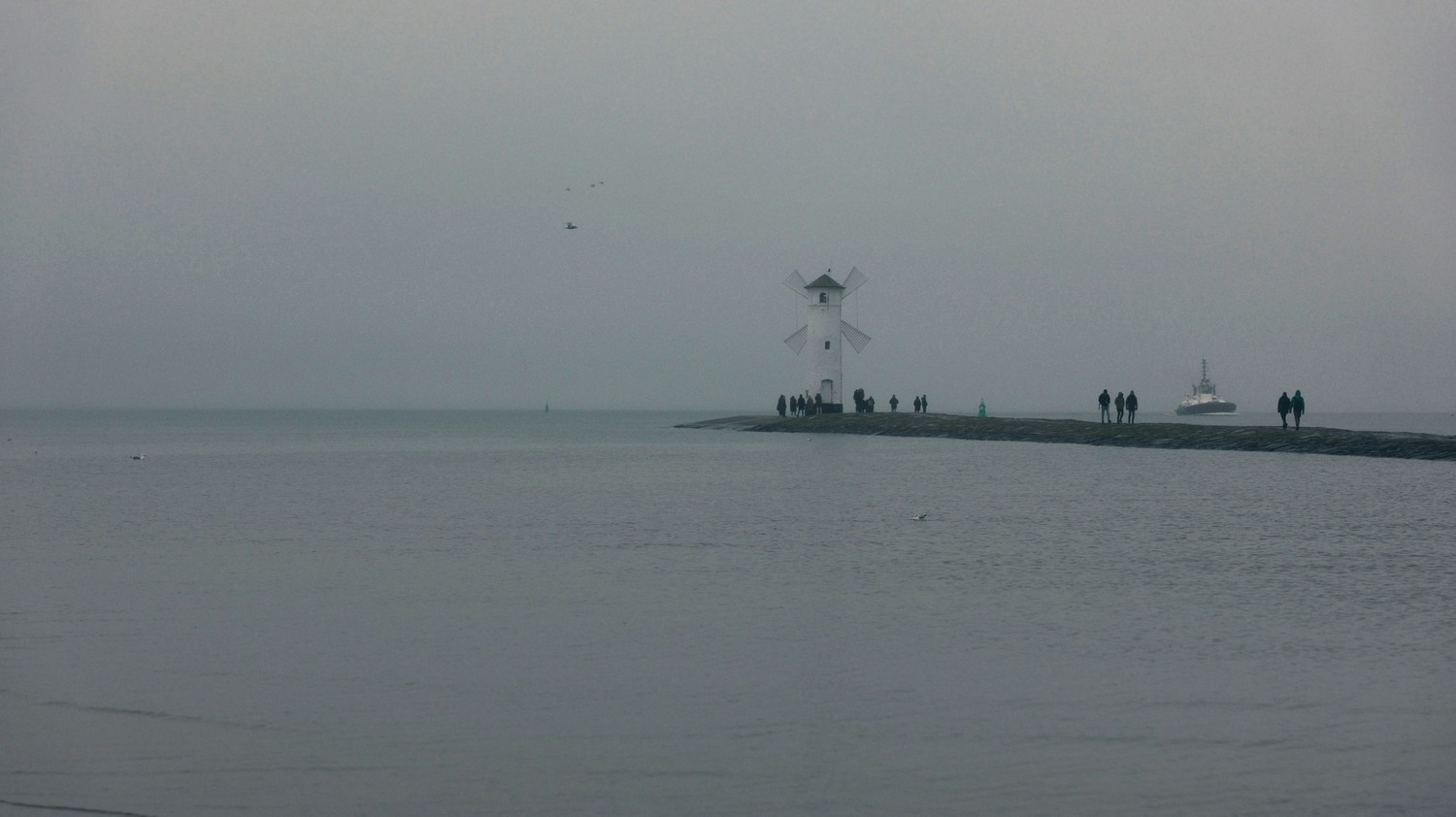
A heavy-lift vessel slipped into the port of Świnoujście late on 21 November. Its deck held twenty-six U.S.-made M1A1 Abrams main battle tanks, fresh olive paint still matte from the Atlantic crossing. Below deck lay nine M88A2 Hercules armored recovery vehicles, pallets
Singapore Air Force chiefs say the Island Air Defence, or IAD, now works end-to-end over every shipping lane and flight path. Crews pushed the network through months of rough drills, then signed the green card for full use. Analysts call the step
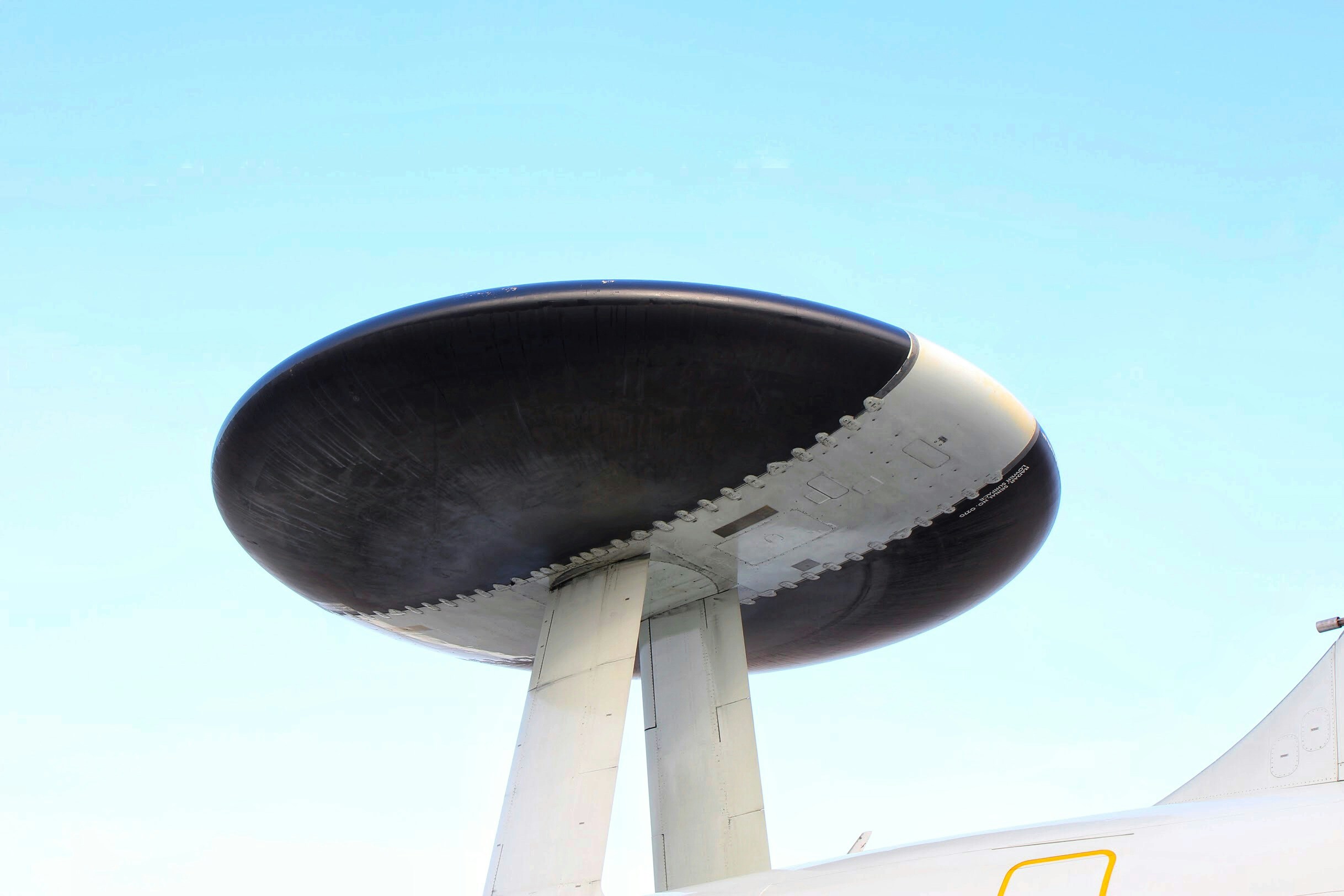
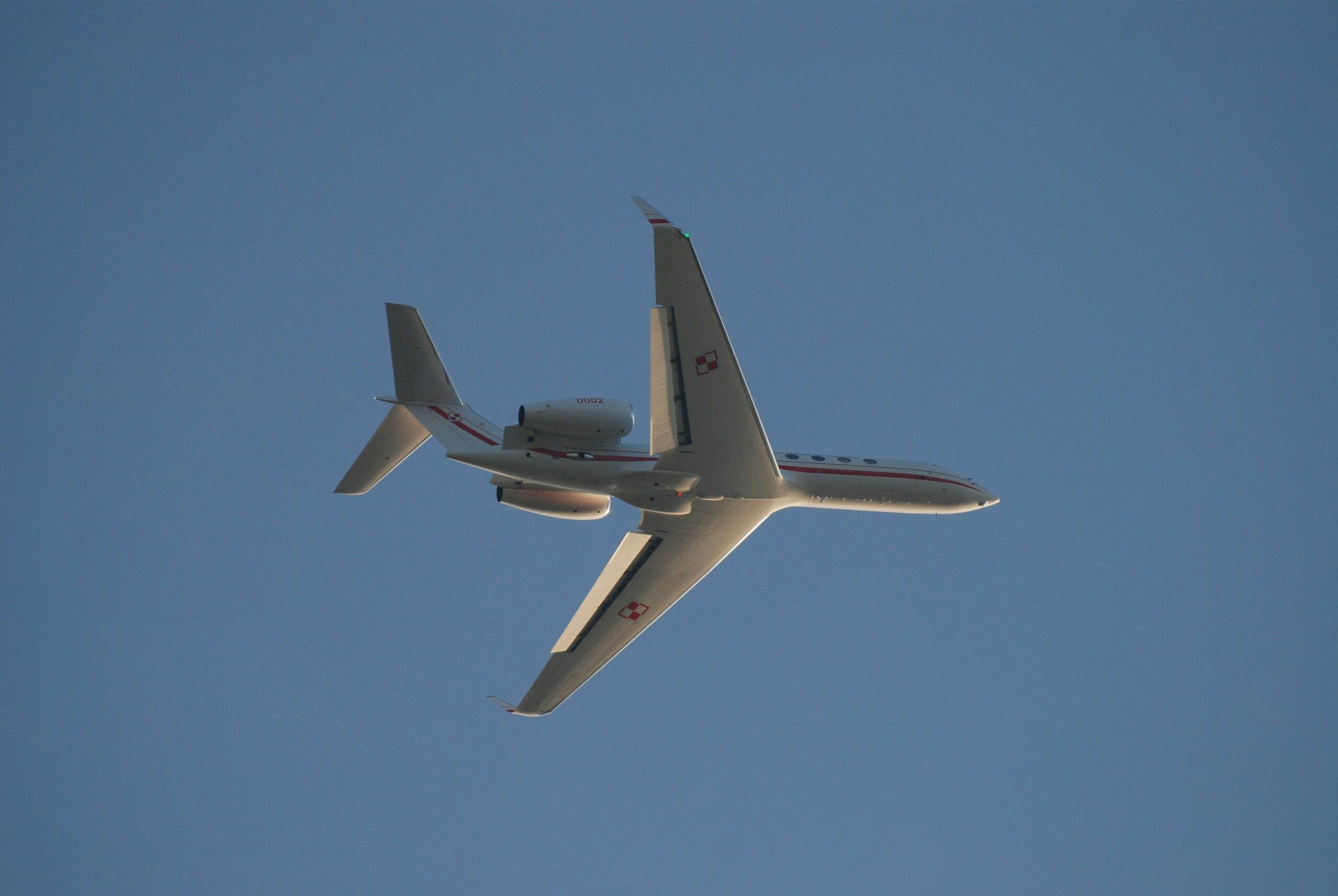
Singapore just raised its air-watch bar one more notch. The Republic of Singapore Air Force states its G550 Airborne Early Warning squadron has hit full ops after a tough decade of tweaks, test hops and long simulator nights. The slim jets shove
Airbus Defence & Space chief executive Michael Schöllhorn told reporters in Berlin that Germany must decide within this legislative period whether it still wants a fighter-aircraft industry. He warned that without a fifth Eurofighter tranche the Manching line will fall silent after
Missiles / Drones / Directed Energy carries the effectors: cruise and ballistic weapons, loitering munitions, unmanned systems, and the lasers and high-power microwave now being fielded against them. What all of it is aimed at, and what shoots it down, is in Air & Missile Defense Systems.