An interceptor that works costs more than the thing it destroys, and there are fewer of them than anyone would like. That exchange ratio has become the organizing problem of modern weapons development. A one-way attack drone assembled for a few tens of thousands of dollars can force the launch of a missile costing several million, and no magazine survives that trade for long.
This section covers the effectors and the software around them. Missiles and munitions, unmanned systems, air and missile defense, electronic warfare, cyber, lasers and high-power microwave, autonomy, propulsion, and the mission software that decides how quickly any of it can be changed.
Demonstrations are treated as demonstrations. A laser that shot down a drone on a range in good weather is not a fielded capability, and coverage says which one it is.
Production rate matters as much as performance. A weapon nobody can build at scale is a briefing slide.
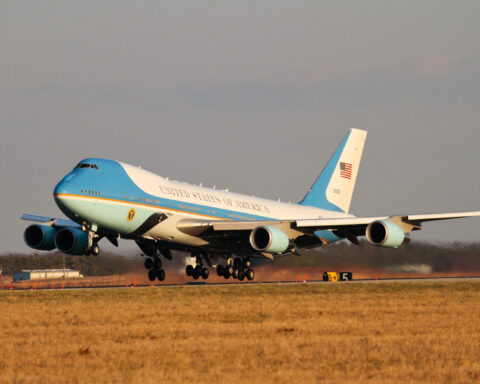
The Air Force just pulled part of its Sentinel missile budget and pointed it at a different job: turning a Qatari Boeing 747-8 into a stop-gap Air Force One. The switch appeared in a Senate hearing on June 26. Secretary of the
Paris closed the gates of Le Bourget last night. Crowds went home with ringing ears and packed phones. When we look at the tally, two facts stand out. Airbus walked away with the bulk of commercial orders. The defense sector filled almost
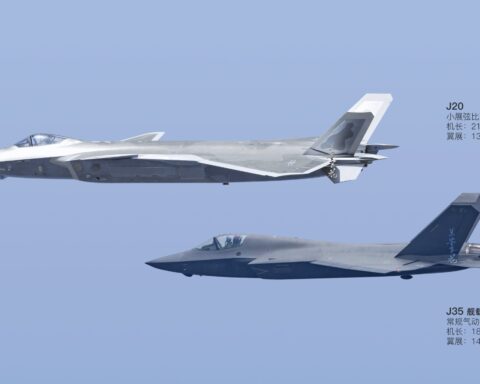
Fresh air-to-air photos released on Chinese and foreign social media within the last forty-eight hours show two J-35 prototypes - serials 3501 and 3506 - in razor-sharp clarity. The images answer long-standing questions about the fighter’s finish, engines, and deck-handling features, while
PARIS - Collaborative Combat Aircraft, or CCAs, stepped onto the world stage this week at the Paris Air Show. Two full-scale mock-ups - Anduril’s Fury YFQ-44 and General Atomics’ YFQ-42 - drew steady crowds. Executives from both firms stressed one message: Europe
Prime Minister Pedro Sánchez has notified NATO headquarters that Spain will not accept a future rule requiring every ally to channel five percent of national output into defense. His letter, delivered late Thursday to Secretary-General Mark Rutte, calls the target “unreasonable” and
Airbus used the mid-week peak of Le Bourget to firm up two programs that matter to every logistics planner on the continent. The A330-800neo Multi-Role Tanker Transport Plus (MRTT+) moved closer to launch as production leaders laid out a clear ramp-up plan.
The first taxi runs of Jiutian’s SS-UAV “drone mothership” at a private airfield in Sichuan on 16 June reflect how far China’s unmanned programs have moved in a single decade. According to industry sources, technicians completed telemetry checks in less than six
PARIS — MBDA, Europe’s largest missile maker, has shown a new low‑cost drone called the One‑Way Effector (OWE). The idea is simple: send many cheap drones first, force the enemy to shoot them down, then fire expensive cruise missiles through the gaps.
The Missile Defense Agency (MDA) signed a new deal on 10 June 2025. It is an indefinite-delivery, indefinite-quantity contract worth up to $429 million with Integration Innovation Inc. (i3). The Huntsville firm must collect missile-test data, check its quality, and turn the
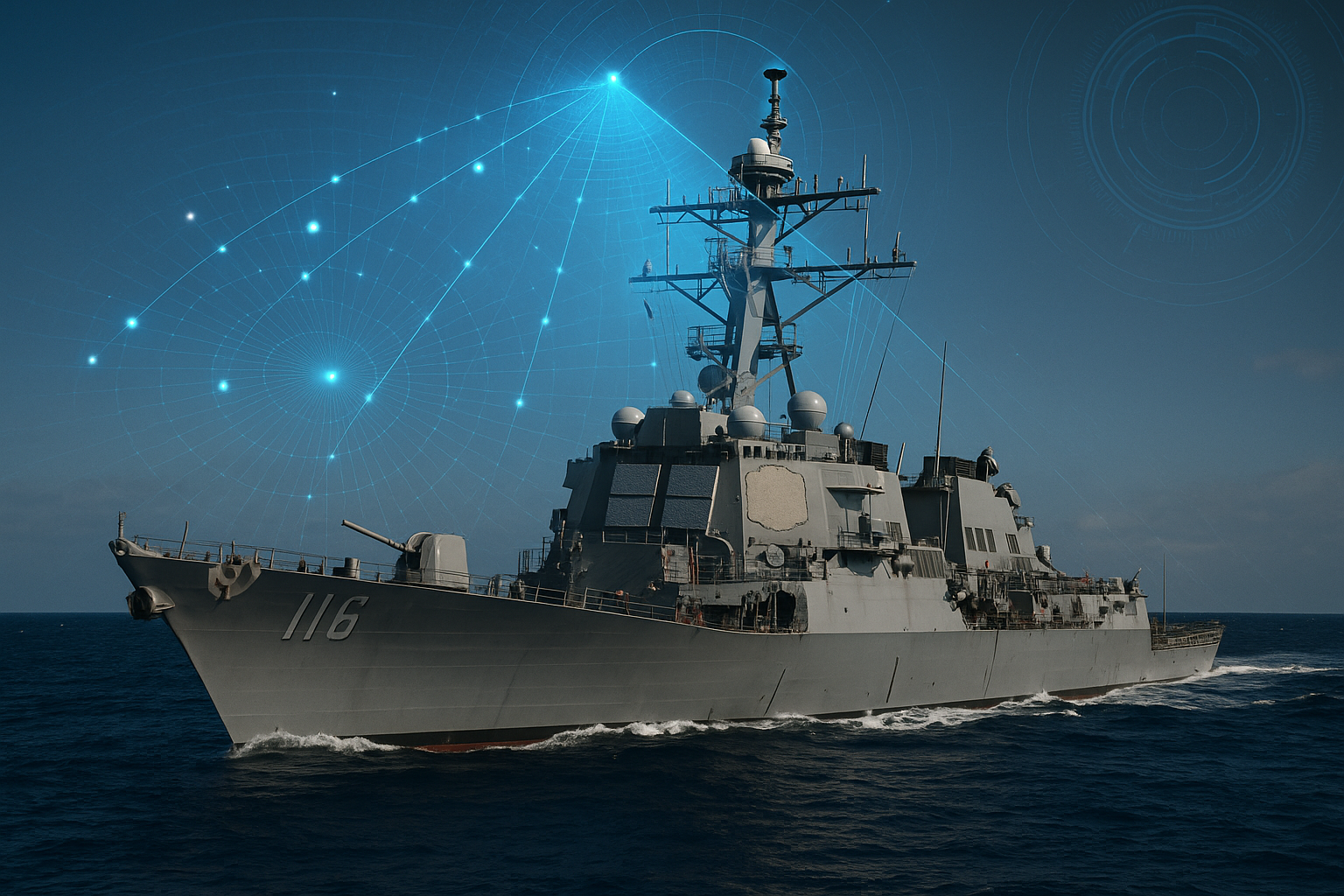
The Navy has issued a $646 million contract option to Raytheon for four additional AN/SPY-6(V) radars. Defense officials confirm this is the fourth option exercised under a five-year hardware, production, and sustainment agreement signed in 2022.
Missiles / Drones / Directed Energy carries the effectors: cruise and ballistic weapons, loitering munitions, unmanned systems, and the lasers and high-power microwave now being fielded against them. What all of it is aimed at, and what shoots it down, is in Air & Missile Defense Systems.