A Navy investigation package released in early December 2025 remains the latest public record on how USS Gettysburg fired Standard Missile-2 rounds at friendly aircraft during USS Harry S. Truman flight operations in the Red Sea on Dec. 22, 2024. The summary states one F/A-18F Super Hornet was destroyed, a second was narrowly missed, and no personnel casualties or major injuries were reported.
SM-2 friendly fire hit one F/A-18F and nearly hit a second
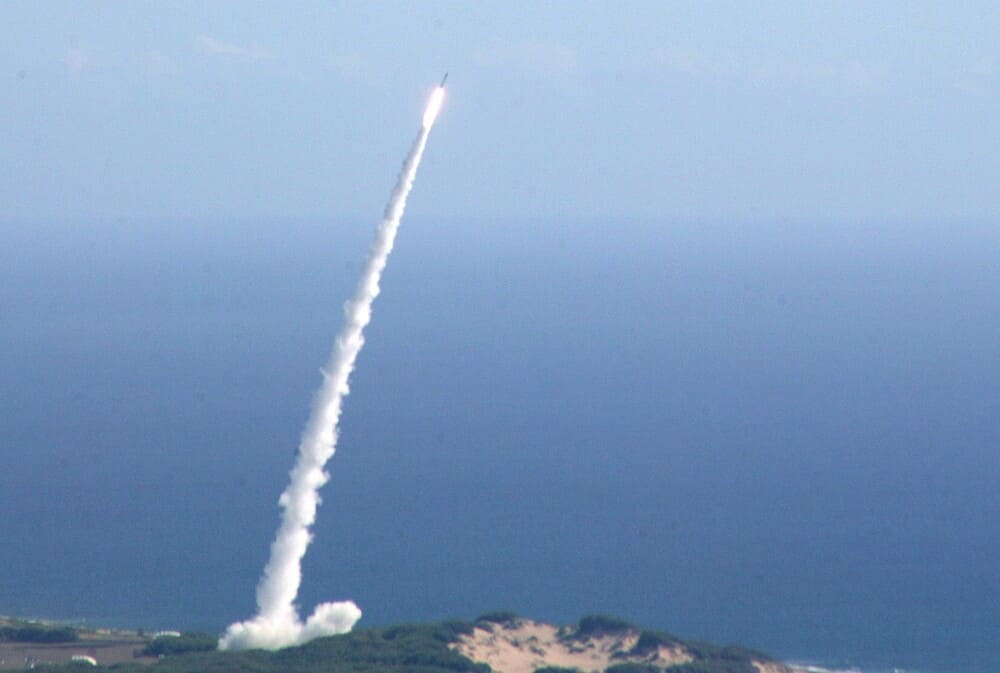
The F/A-18F pilot saw the SM-2 rise into the night sky as his aircraft descended toward Truman. He had flown as a tanker and now he moved into the recovery pattern, close enough to see the missile’s track shift. When the missile corrected toward the Super Hornet the cockpit crew understood it was no longer chasing an inbound drone or cruise missile, it was chasing them.
“Are you seeing this?” the pilot asked his Weapon Systems Officer. “Yeah, I’m watching it,” the WSO answered, according to the investigative reporting that quoted the command investigation. The crew ejected before impact. The missile hit the jet and left the aircrew descending toward the water while the strike group continued its air defense fight.
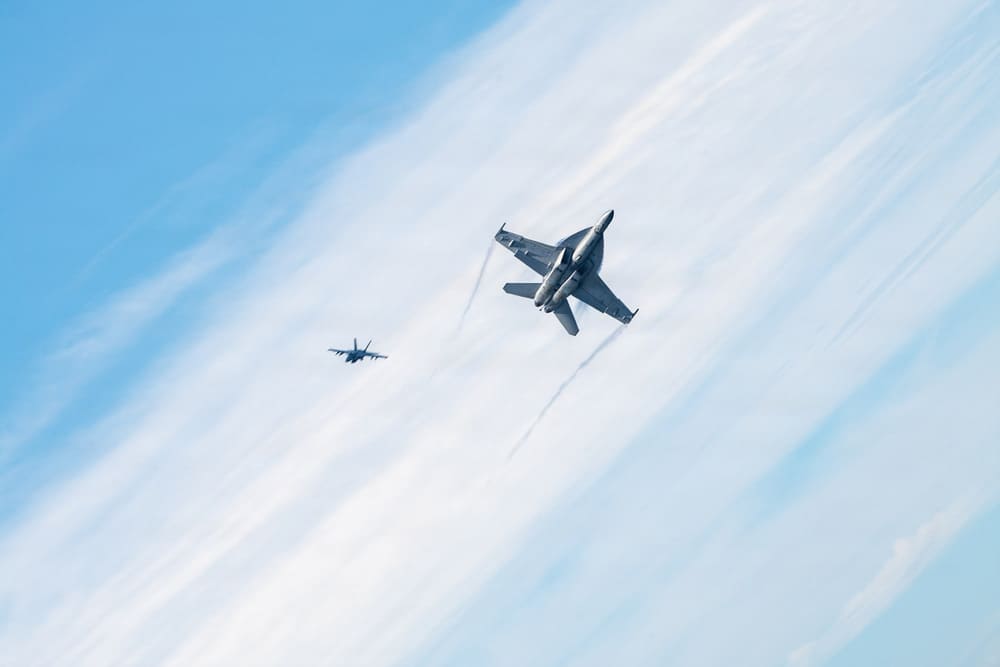
A second Super Hornet approached the carrier about a minute later. Its crew saw the first detonation, then watched another SM-2 launch from Gettysburg and correct toward their aircraft. The pilot advanced power and weighed ejection while the missile closed. He told the WSO, “Give it one more second,” and added, “I have my hand on the [ejection] handle.” The missile passed “one to two plane lengths behind the aircraft” before it fell into the sea, and the crew landed aboard the carrier.
From 11:25 to 11:26 p.m. local time, the investigation found, Gettysburg fired two SM-2s at two friendly Super Hornets, hit the first and missed the second. A third Super Hornet was also targeted as a possible threat, though the ship did not fire at it.
The first clear warning outside the cruiser came when a legal officer within the strike group observed “blue tracks” on a contact that had been treated as an inbound anti-ship cruise missile. A voice circuit carried a blunt call soon after: “Stop shooting at us.” The report, as described in coverage of the investigation, shows information about a possible friendly fire incident spread through command channels while the missile firing window stayed open.
Hours earlier, the strike group had carried out its first strikes against Houthi targets in Yemen, then defended itself against follow-on launches. The Navy’s public summary and later reporting describe multiple inbound threats during that period, with ships spending several hours engaging drones and anti-ship cruise missiles. The air picture saturated quickly with friendly aircraft returning to the ship while other tracks demanded attention.
IFF Link 16 SPY-1 radar limits and E-2D radar issues degraded Gettysburg identification
Link 16 dropped in and out in the days and hours before the engagement, investigators found. The report cited “noticeably degraded” performance and “numerous losses” of Link 16 leading into the friendly fire event, which reduced the reliability of shared positioning and air control data in the strike group network.
IFF problems came up repeatedly in watchstander interviews. Investigators recorded several failure modes, including stale IFF video, missing Mode 5 displays, IFF not correlating with Cooperative Engagement Capability, and spiral tracks. Those symptoms matter in an air defense fight, since watch teams use IFF returns and track correlation to keep friendly aircraft from drifting into the same category as inbound weapons.
Watchstanders on duty during the shootdown did not have a clear understanding of which identification functions were working and which were not. Reporting tied to the investigation described failures not moving through the chain of command in a way that gave the decision-makers a clean picture of sensor and link health, and it described an environment where crews leaned on displays that did not carry the fidelity they assumed.
A shipboard radar constraint also narrowed the margin. Gettysburg recovered an embarked MH-60R Seahawk helicopter shortly before the engagements, and the ship reduced SPY-1 radar coverage during the landing. The E-2D Hawkeye operating overhead also had radar problems during the same period, according to the investigation reporting, which reduced another source of independent confirmation when the strike group needed it.
Investigators also described broader equipment and readiness shortfalls that raised the risk of fratricide. One account of the report said the ship’s identification systems broke down on average 11 times a day, and it cited secure communications with frequent connectivity losses. The investigation record, as summarized in reporting, treated those deficiencies as part of the risk picture the ship carried into a high-tempo fight.
The Navy summary did not attribute the shootdown to a single hardware fault. It tied the engagement to misidentification under pressure, combined with degraded links and identification, and with watch practices that did not catch the error in time.
Strike group integration gap and forceful backup failures in the CIC
Gettysburg operated with the carrier strike group only seven of the 45 days before the incident, investigators concluded, which equates to about 15 percent of that period. The ship returned to Red Sea operations three days before the shootdown, and it did not take part in pre-mission planning for the strike group’s Dec. 21 strikes, according to reporting that quoted Navy officials.
The Navy summary says a lack of integrated training between Gettysburg and the strike group, lack of forceful backup on the cruiser, and lack of cohesion across the strike group contributed to the misidentification and engagement. Those terms point at human factors inside the Combat Information Center, where watchstanders challenge assumptions and enforce hold-fire and cease-fire disciplines when contacts do not reconcile with the friendly picture.
Confusion over what the ship was firing at surfaced throughout the investigative reporting. Calls to cease fire were ignored or not heard, and the carrier and cruiser passed conflicting information to aircrews. The investigation also describes a watch environment where some procedures that should stop a friendly engagement did not get executed.
The report’s description of command awareness cut directly into the decision chain. An investigation overseen by Rear Adm. Kavon Hakimzadeh concluded the commanding officer had low situational awareness and the command information center team could not help him regain it. Hakimzadeh recommended distribution of the report to dozens of units and commands so they could use it to adjust policies and practices.
Fatigue and a high operational tempo hang over the broader mishap package even when the Gettysburg report focuses on the cruiser’s own watch team. Navy investigators found crews in the strike group often worked on limited sleep between long shifts during extended combat operations, and reporting on the investigations described an environment where training and procedural compliance eroded well before the deployment reached its hardest stretch.
A separate finding from the investigation package offers a snapshot of what sailors told investigators about the operational culture in the strike group. Months after the friendly fire event, crews described “a pressurized schedule and a culture of ‘just get it done.’ ” That language came up in reporting tied to the investigations and it matches the broader theme investigators cited across the mishaps, even though each incident had its own causes.
Aegis Weapon System fixes $55 million investment and 15 training initiatives after the shootdown
Navy officials speaking after release of the report described problems that extended beyond one cruiser. “We’ve had over 30 of our surface warships involved in these sustained combat operations,” a surface warfare officer told reporters, and he said Aegis Weapon System software code issues created levels of risk during defensive combat operations. According to industry sources familiar with Aegis sustainment, the fleet had to correct issues fast because deployed ships could not wait for routine update cycles while they remained on station.
One Navy official said the interoperability piece tied to IFF was not just a cruiser issue and appeared “across the board,” and he described aggressive work to identify the issue and fix it with industry partners. Another senior Navy officer said, “we’ve invested over $55 million since this incident to correct those Aegis Weapon System deficiencies,” and he credited industry partners with rapidly correcting software deficiencies over the last two years.
Training reforms followed alongside the technical work. “We’ve implemented a total of 15 initiatives across our combat-focused training organization,” a Navy surface warfare official said, and he tied that effort to the Naval Surface and Mine Warfare Development Center. The public Navy summary also says the friendly fire resulted in part from limited integrated training opportunities, which places the training effort alongside system fixes rather than behind them.
The investigation held the commanding officer responsible for the engagement decision. The report concluded the decision to shoot was wrong when measured against the totality of information available, and it described a command team with low situational awareness and a CIC that could not restore it. The same investigative language said action at multiple levels could have prevented the engagement.
Accountability actions occurred, the Navy summary says, but the public record did not include names or the details of any disciplinary outcomes. Navy officials defended that approach in briefings tied to the investigation release. “I assure you that accountability actions were taken across all the operators involved in this,” a senior Navy officer said. “I don’t feel an obligation to publish those results to the world.”
Defense officials confirm the strike group returned with lessons written in procedures, training syllabi, and software patches rather than public personnel actions. Our analysis shows the Gettysburg shootdown came from one false hostile track that survived long enough to drive two missile launches, while degraded identification and link performance narrowed the time watchstanders had to challenge the picture and stop the engagement.
REFERENCE SOURCES
- https://www.twz.com/air/how-uss-gettysburg-shot-down-a-super-hornet-and-nearly-another
- https://www.stripes.com/branches/navy/2024-12-23/navy-jet-houthis-gettysburg-16257452.html
- https://news.usni.org/2024/12/21/u-s-super-hornet-shot-down-over-red-sea-in-friendly-fire-incident-aviators-safe
- https://www.twz.com/sea/f-a-18-super-hornet-shot-down-by-navy-cruiser-investigation-findings-released
- https://www.militarytimes.com/news/your-military/2025/12/08/five-minutes-of-chaos-how-the-navy-shot-down-its-own-jet/
- https://www.nbcnews.com/politics/national-security/navy-findings-truman-carrier-incidents-super-hornet-middle-east-rcna247431
- https://maritime-executive.com/article/uss-gettysburg-shoots-down-f-a-18-fighter-in-friendly-fire-incident
- https://theaviationist.com/2024/12/29/super-hornet-friendly-fire-pilots-accounts/
- https://www.military.com/daily-news/2025/02/04/commander-of-navy-ship-involved-f-18-friendly-fire-incident-turns-over-command.html
- https://www.navy.mil/Press-Office/News-Stories/Article/4048576/gettysburg-holds-at-sea-change-of-command-ceremony/
- https://www.lockheedmartin.com/en-us/news/features/2024/aegis-leads-the-way-how-aegis-is-helping-the-us-navy.html
- https://www.navytimes.com/naval/2024/03/21/us-navy-making-aegis-updates-training-changes-based-on-houthi-attacks/
- https://warontherocks.com/2025/02/software-defined-warships-the-navys-digital-future-of-necessity/