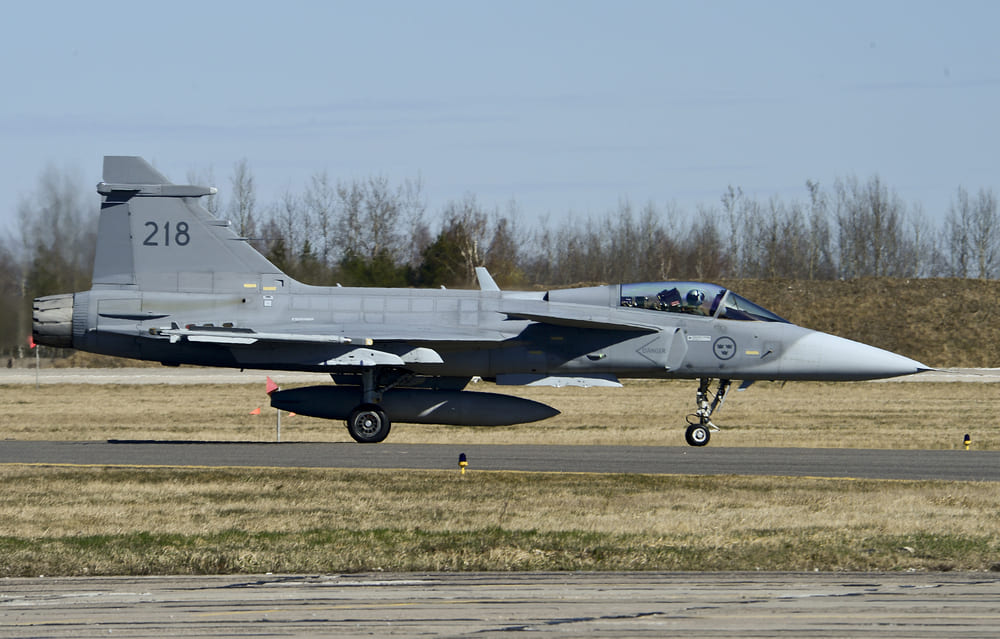
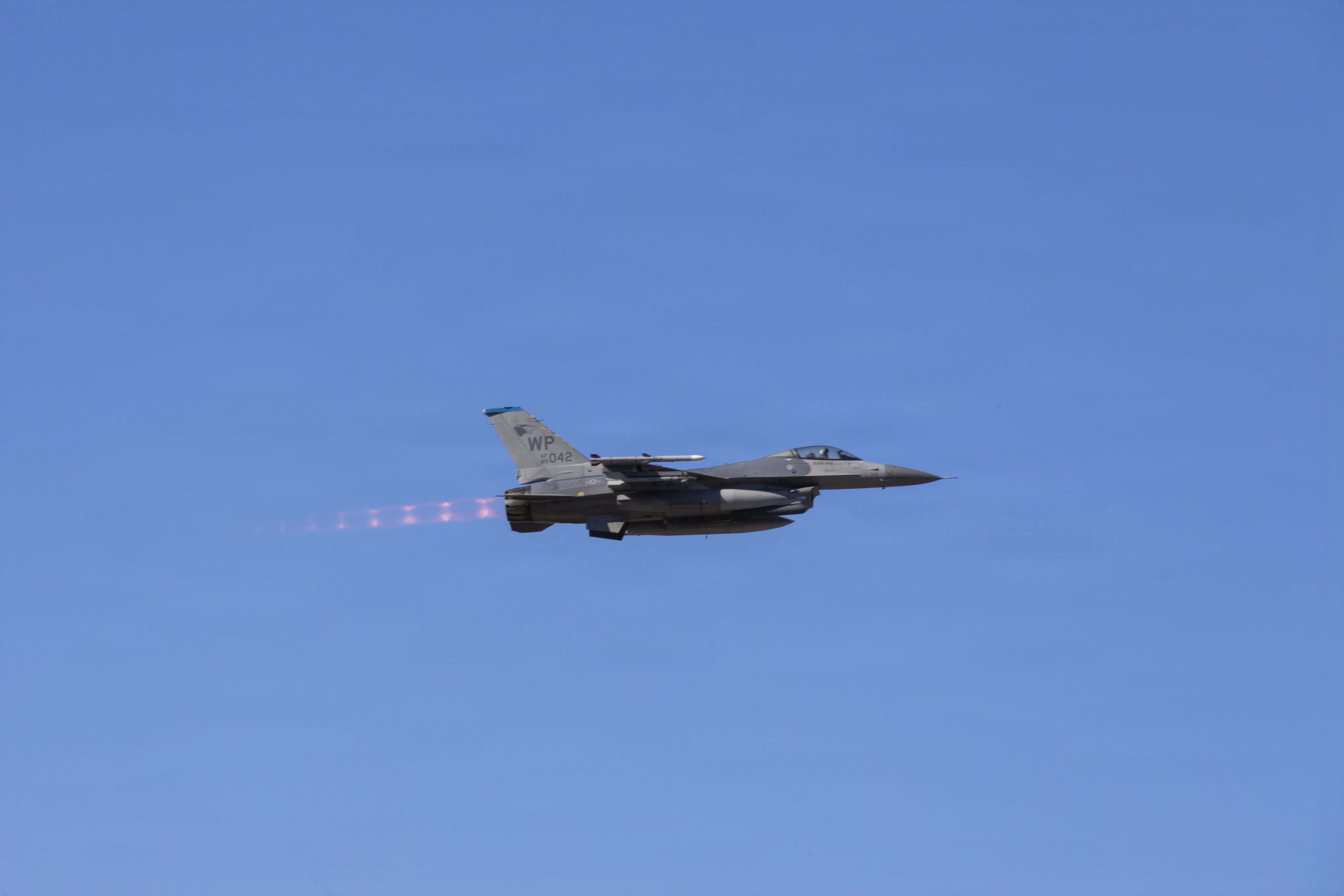
Online flight tracking data showed two U.S. Navy F A 18 Super Hornets fly into the center of the Gulf of Venezuela on Tuesday. They held tight orbits over the water for about 40 minutes. The callsigns shown on the public feed were Rhino 11 and Rhino 12.
The Gulf of Venezuela is a confined piece of water with land on three sides. Lake Maracaibo sits just south of it. At its longest points, the gulf runs about 75 miles north to south and about 150 miles east to west. The opening from the Caribbean to the north measures about 52 miles across.
The flight pattern placed the jets well inside the gulf’s bowl. Tight orbits there can bring aircraft close to the coastline fast. Venezuela’s claimed airspace extends 12 miles from its shore. A small change in the track can shift the distance to land in minutes.
Venezuela says the entire gulf falls inside its national territory. The United States disputes that claim and has challenged it for decades. U.S. aircraft have operated near the same area before.
A U.S. defense official described Tuesday’s flight as a “routine training flight.” The official said the jets stayed in international airspace. The official could not say if the aircraft carried weapons. Officials also compared the flight to earlier exercises in the region.
Public flight data can mislead when signals get altered. According to industry sources, the Rhino 11 and Rhino 12 track looked steady and deliberate. The orbits held a consistent shape and timing across the window seen online.
EA 18G Growlers and an MQ 4C Triton appeared near the gulf during the same window
Tracking data also placed two Navy EA 18G Growlers in the Caribbean just north of the gulf. The callsigns shown online were Grizzly 1 and Grizzly 2. Their orbits stayed outside the gulf proper, on the northern side.
A Navy MQ 4C Triton also flew farther out in the Caribbean, opposite Venezuela’s coastline, around the same period. The track placed the unmanned aircraft away from the tighter fighter activity closer to the gulf. The Navy did not describe the Triton mission for that day.
Officials did not publish a tasking description for the Growlers either. The aircraft types involved fit a mix the Navy uses in the region for training, presence flights, and electronic awareness. Defense officials confirm the aircraft used transponders visible on public sites, which made the activity easy to track in real time.
Later reporting tied the Growler story to a separate movement into Puerto Rico. A contingent of EA 18G Growlers deployed to the former Naval Station Roosevelt Roads, also known as José Aponte de la Torre Airport, in Ceiba. Public imagery and official confirmation placed six Growlers on the ground there in mid December. The deployment added a land based electronic warfare element in the same operating area.
Online flight tracks also pointed to aircraft traveling from Naval Air Station Whidbey Island toward the Caribbean in the days around the gulf flights. Officials have not released a detailed unit breakdown in public statements tied to the Rhino and Grizzly callsigns.
USS Gerald R Ford activity and Puerto Rico operating locations tied to recent flights
Officials did not confirm where Rhino 11 and Rhino 12 launched. The aircraft types match those that operate from a carrier air wing. They also match aircraft seen on the deck of USS Gerald R. Ford during its recent operations in the region.
Ford entered the U.S. Southern Command area of responsibility in November. It also conducted a port visit to St. Thomas in the U.S. Virgin Islands on Dec. 1. After that stop, outside observers reported the carrier leaving the area and heading south again.
U.S. Southern Command posted imagery in recent weeks showing Super Hornets and Growlers operating from Ford. The images were taken in November and shared again around the time of the gulf flights. The Navy has not tied a specific sortie to those posts.
Super Hornets from Ford have also been spotted at Luis Muñoz Marín International Airport in Puerto Rico. The Navy has not confirmed the purpose of those appearances. Carrier aircraft can divert for weather, maintenance, or deck cycle reasons. No official statement described the details tied to those sightings.
Marine fighters and other aircraft have operated from the former Roosevelt Roads location since September, according to officials and public reporting. The site offers runway access and ramp space, and it sits within short distance of common Caribbean training areas. The later arrival of land based Growlers expanded what can stage from that same region.
The gulf flights took place inside a geography that forces short distances and quick timelines. The gulf’s narrow mouth and nearby coastline leave little room for wide turns. Lake Maracaibo and the adjacent coastal corridor also sit near major oil infrastructure, including refineries and tanker routes. The Navy did not cite any economic sites in its public comments, but the area’s importance remains widely understood.
US and SOUTHCOM statements describe lawful operations as pressure campaign continues
A similar set of flights drew attention on Nov. 20. Navy Super Hornets flew just north of the Gulf of Venezuela that day. A U.S. Air Force RC 135W Rivet Joint operated farther out in the Caribbean, and B 52 bombers were tracked in the region around the same time, according to public flight data.
A U.S. official described those Nov. 20 sorties in direct terms. “They are normal operational training flights from the aircraft carrier USS Ford,” the official said. “They are also testing Venezuelan sensors and responses.” The official linked the activity to a broader pressure campaign and visible U.S. capability in the Caribbean.
U.S. officials have described a significant force buildup across the Caribbean since August. One figure cited in public reporting put the deployment at about 15,000 personnel in the region. That count included Ford, other naval assets, crewed and uncrewed aircraft, and supporting elements on the ground. Officials have also pointed to increased special operations presence, without releasing unit detail.
The U.S. government has described the posture as part of enhanced counter narcotics activity, now called Operation Southern Spear. Public statements have tied the effort to monitoring illicit maritime activity and supporting regional stability. Officials have not provided a detailed public order of battle for every air mission near Venezuela.
U.S. authorities also continue to press allegations against Venezuelan President Nicolás Maduro. The U.S. government accuses Maduro of involvement in narcotics trafficking linked to an entity it calls the Cartel of the Suns. U.S. authorities have designated that entity as a terrorist organization. Maduro has denied wrongdoing. U.S. court records show Maduro has been under U.S. indictment since 2020 on narcotics and other charges. The U.S. State Department has also listed a $50 million reward for information leading to his arrest.
U.S. military operations in the Caribbean now include strikes on alleged drug smuggling boats, according to U.S. officials and public releases. Some members of Congress have asked for more detail about that campaign. Officials have framed the strikes as part of an escalation meant to disrupt trafficking routes.
President Donald Trump addressed Venezuela in an interview published Tuesday. Asked how far he might go to remove Maduro from office, Trump said, “I don’t want to say that.” He followed with, “His days are numbered,” when asked if he wanted Maduro out of power. Trump did not provide operational detail, and the White House has not issued a public timeline for any additional military steps tied to Venezuela.
After Tuesday’s Gulf flights, the Navy directed questions to U.S. Southern Command. A Southern Command spokesperson provided a statement that addressed the legal frame. “We conduct routine, lawful operations in international airspace, including over the Gulf of Venezuela,” the spokesperson said. The spokesperson added that U.S. forces will continue to fly safely and in accordance with international law.
The flight tracking pattern, the callsigns, and the location inside the gulf drove the attention. Our analysis shows the decision to keep transponders visible, paired with supporting aircraft nearby, matched a deliberate choice to operate in plain sight.
REFERENCE SOURCES
- https://www.twz.com/air/f-a-18-super-hornets-were-just-tracked-flying-deep-inside-the-gulf-of-venezuela
- https://apnews.com/article/venezuela-us-military-trump-fa18-fighter-jets-06fd7cdc5ac26e7a46165431b95508b0
- https://www.navy.mil/Press-Office/News-Stories/display-news/Article/4344883/uss-gerald-r-ford-arrives-in-st-thomas-us-virgin-islands/
- https://news.usni.org/2025/12/15/usni-news-fleet-and-marine-tracker-dec-15-2025
- https://transcripts.cnn.com/show/ctw/date/2025-12-09/segment/02
- https://www.mediaite.com/online/politico-drops-fact-check-on-trump-smack-in-middle-of-new-interview-as-he-attacks-them/