Platforms and systems
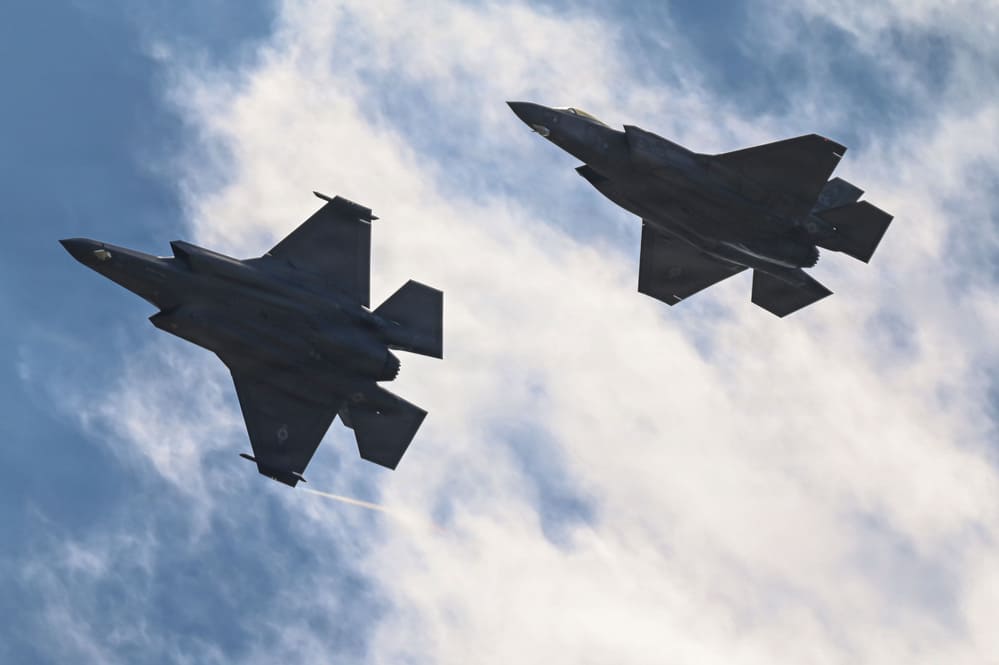
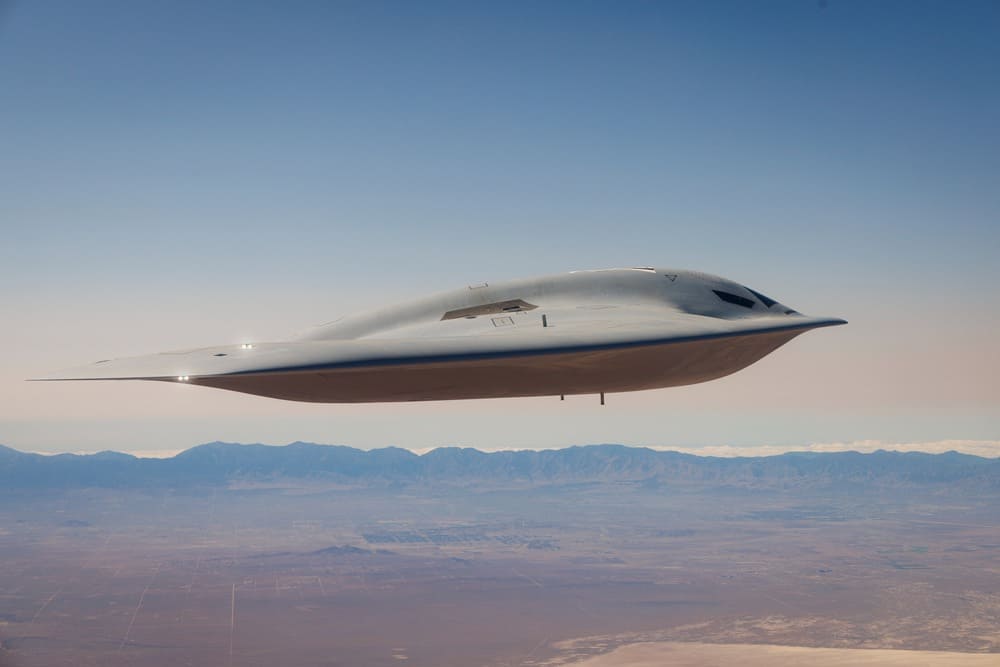
Platforms & Systems is the hardware backbone of the site. Aircraft coverage runs from fifth-generation fighters and collaborative combat aircraft down to trainers, tankers, and airlifters. There's a separate track for civil-military airframe programs, where a commercial jet becomes a military asset. Aircraft Propulsion and Advanced Propulsion Systems follow engine development, adaptive-cycle work, and hypersonic propulsion. Engines are usually what decide whether a program's schedule holds.
Naval Systems covers surface combatants, submarines, and shipbuilding capacity, including the recurring gap between the fleet a navy plans and the yards available to build it. Land Systems tracks armor, artillery, and logistics. Helicopters follows rotary-wing procurement and sustainment. Space Systems handles military satellites, launch access, and orbital infrastructure. Surveillance & Reconnaissance deals with the sensors and aircraft that turn all of it into usable information.
Weapons and technologies
Weapons & Technologies covers the effectors and the software around them. Missiles, drones, and directed energy and the dedicated Directed Energy section track long-range strike, loitering munitions, and laser systems moving from demonstration into fielding. Air & Missile Defense Systems follows interceptors, and the magazine-depth problem that every current conflict keeps exposing.
AI & Autonomy looks at autonomous aircraft, teaming concepts, and the acquisition questions they raise. Electronic Warfare and Cybersecurity & Electronic Warfare handle jamming, spoofing, and network defense. Digital Systems & Software covers mission systems and the update cycles that increasingly set how fast a platform can adapt.
Industry, contracts, and budgets
Defense Industry follows the money and the factories. Contracts & Deals covers awards, export orders, and offset arrangements. Defense Infrastructure & Manufacturing tracks production capacity and supply chains, plus the push toward domestic manufacturing that export restrictions keep accelerating. Industrial Partnerships covers joint ventures and cross-border programs. Civil-Military Aviation & Cooperation sits where commercial and military aerospace overlap.
News & Policy and Defense Budgets / Policy handle appropriations, force structure plans, and legislative decisions. This is the layer where most program outcomes are actually settled, months before anything visible happens.
Regions and conflicts
Regions & Conflicts organizes coverage geographically. Europe & NATO follows alliance planning, rearmament, and joint programs. The Russia-Ukraine War section tracks strikes, drone and naval operations, and the equipment lessons coming out of them. Middle East covers regional acquisitions and air defense. Asia-Pacific follows naval buildup, basing, and shipbuilding across the region.
Analysis and exercises
Reports & Analysis and GAO / Think Tank Reports cover oversight findings and independent research. These often contradict official program messaging, which is reason enough to read them. Exercises & Training and Joint Exercises / Special Ops Training cover multinational drills and special operations training, usually the first place interoperability problems show up.
How articles are put together
Each piece says where its information came from. Official statements are labeled as official statements. A claim made by a party to a conflict is attributed to that party, not presented as confirmed. Open-source material, such as flight tracking or imagery, is described as exactly that, limits included. Where a figure is contested, both numbers appear.
Speed isn't the point. The point is to leave you with an accurate view of what's known, what's claimed, and what's still open on a given program.