Fleet size is the number that gets quoted. What a force can actually put in the air on a given morning is a different figure, and usually a much smaller one. An air arm holding 180 fighters at a 55 percent mission-capable rate fields fewer than one holding 120 with good spares support.
This section covers hardware across air, land, sea and space. Combat aircraft, rotorcraft, warships and submarines, armored vehicles, satellites, and the sensors that tie them together. New programs are followed from requirement to service entry, existing fleets through their upgrades, which usually matter more since most of the equipment flying in 2040 is already built.
Most of what changes a platform arrives after delivery: a new radar, a software drop, a sustainment contract that fixes a parts problem at last, or a quiet decision to delete a capability nobody funded.
Specifications are reported where a program office or a budget document supports them. Where they do not, the number is called an estimate.
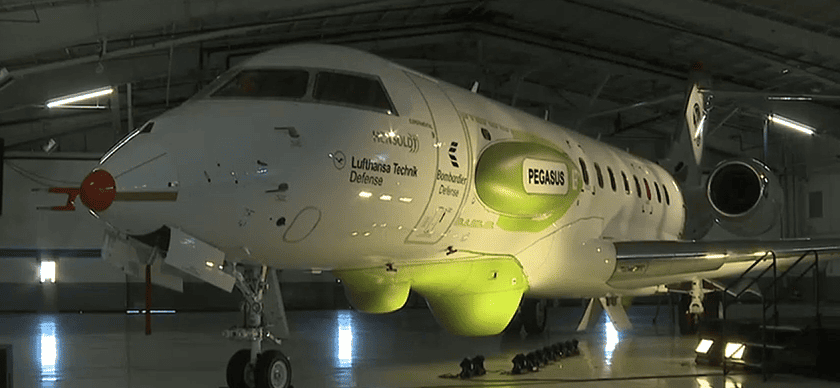
Germany’s PEGASUS program has moved from drawings and component testing to a visible fleet in flight-test, and the first aircraft now shows the full external layout of its signals intelligence fit. The Luftwaffe’s new platform is based on the Bombardier Global 6000
Los Angeles-based startup Inversion Space is developing an orbital cargo-drop system for military use. Its Arc orbital supply capsule is intended to send roughly 500 pounds of cargo from low Earth orbit to almost any point on the globe in about an
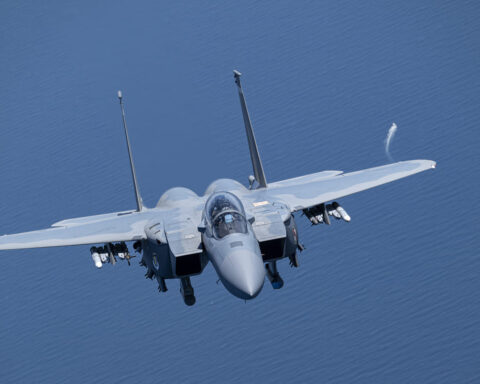
The Air Force submitted a 10-year fighter force structure plan to Congress that pins the “low-risk” requirement at 1,558 manned, combat-coded fighters. The document places today’s combat-coded inventory at about 1,271 jets for fiscal 2026. It also lays out the threshold for
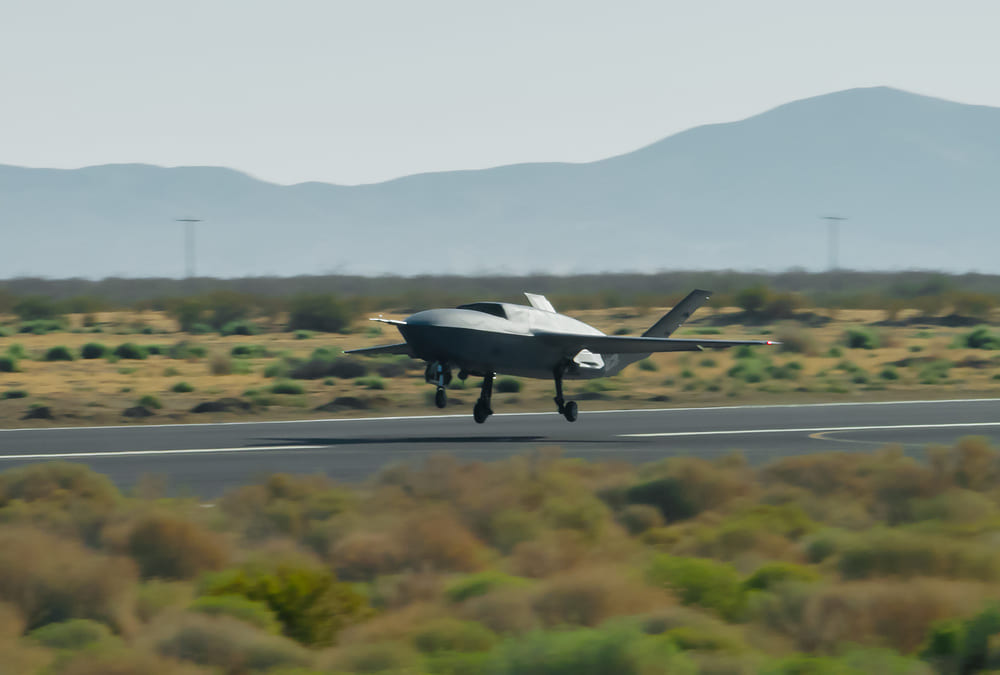
General Atomics Aeronautical Systems has added a dedicated strike version to its Gambit series of autonomous combat drones, unveiling Gambit 6 at the International Fighter Conference in Rome on 4 November 2025. The new variant brings a strongly air-to-surface focused configuration to
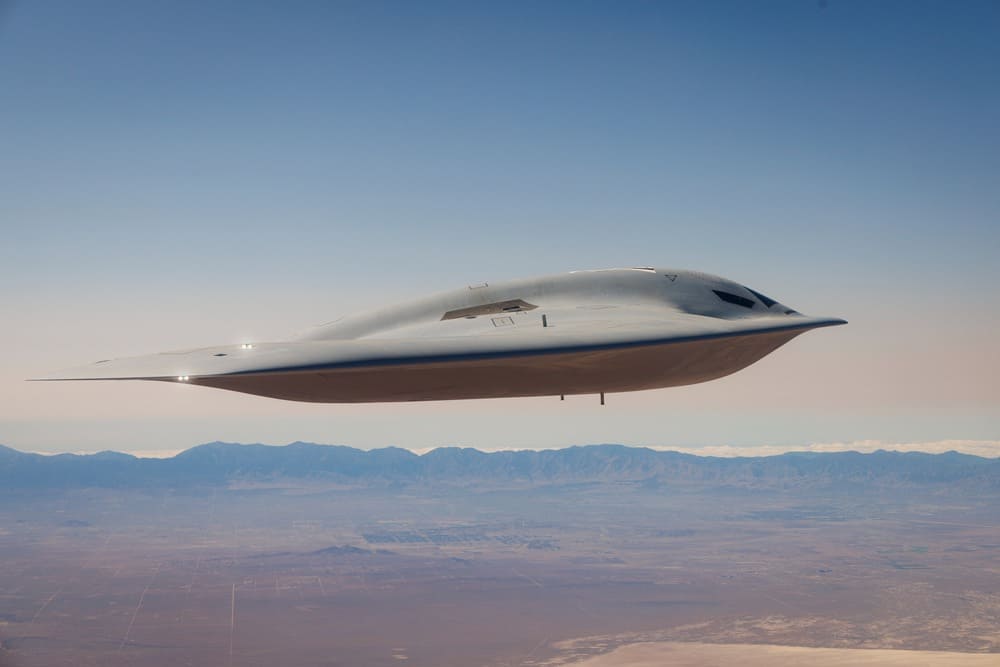
On 15 August, Gen. Thomas Bussiere, then commander of Air Force Global Strike Command, signed a memo that laid out his preferred B-21 crew mix. He argued that the Raider’s two-seat cockpit should usually carry one pilot and one weapon systems officer,
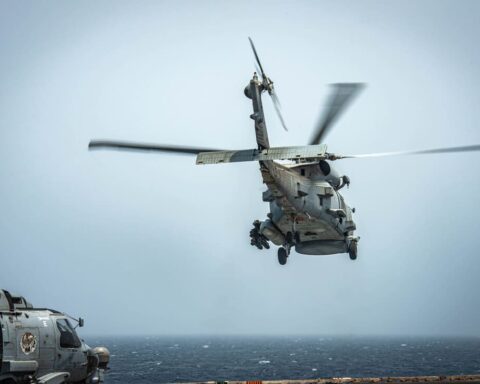
Two aircraft from USS Nimitz went down in the South China Sea on October 26 within roughly thirty minutes. A U.S. Navy MH-60R Sea Hawk from Helicopter Maritime Strike Squadron 73 and an F/A-18F Super Hornet from Strike Fighter Squadron 22 were
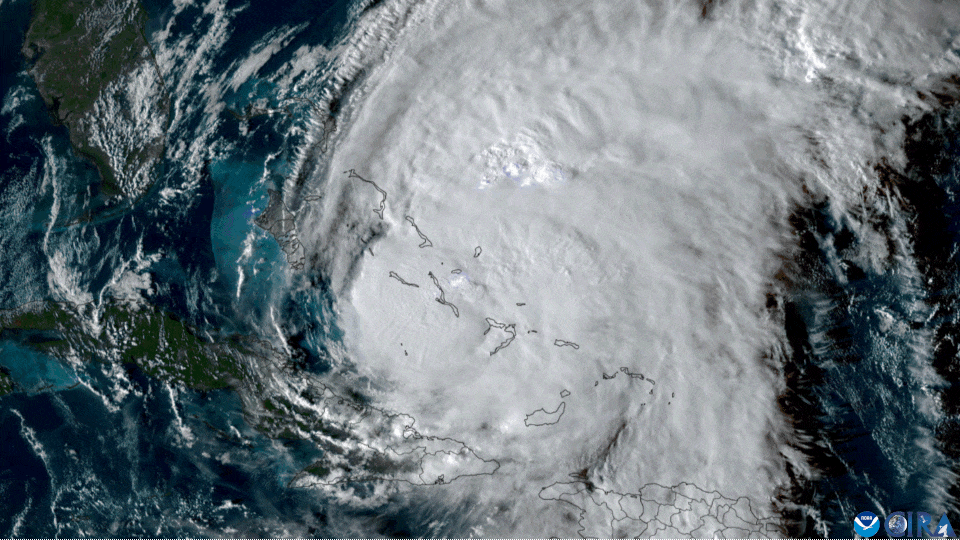
Hurricane Melissa reached Category 5 strength near Jamaica and forced U.S. Navy units operating across the Caribbean to shift routes and stand clear of the forecast track. Defense officials confirm afloat and aviation elements executed storm-avoidance plans during mission tasking. “Despite these
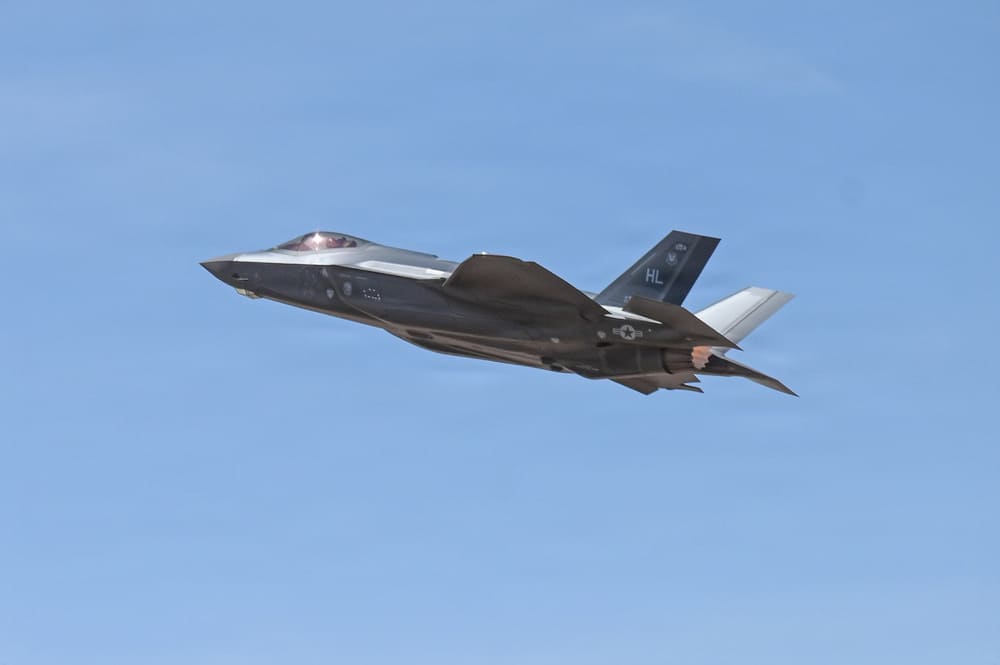
Marine Fighter Attack Squadron 542 closed its first long F-35B combat tour in October with 1,099 sorties and 4,736 flight hours. NORAD pushed a mixed F-35 and F-16 package to Pituffik Space Base in Greenland from Oct. 7–11 to validate an Arctic
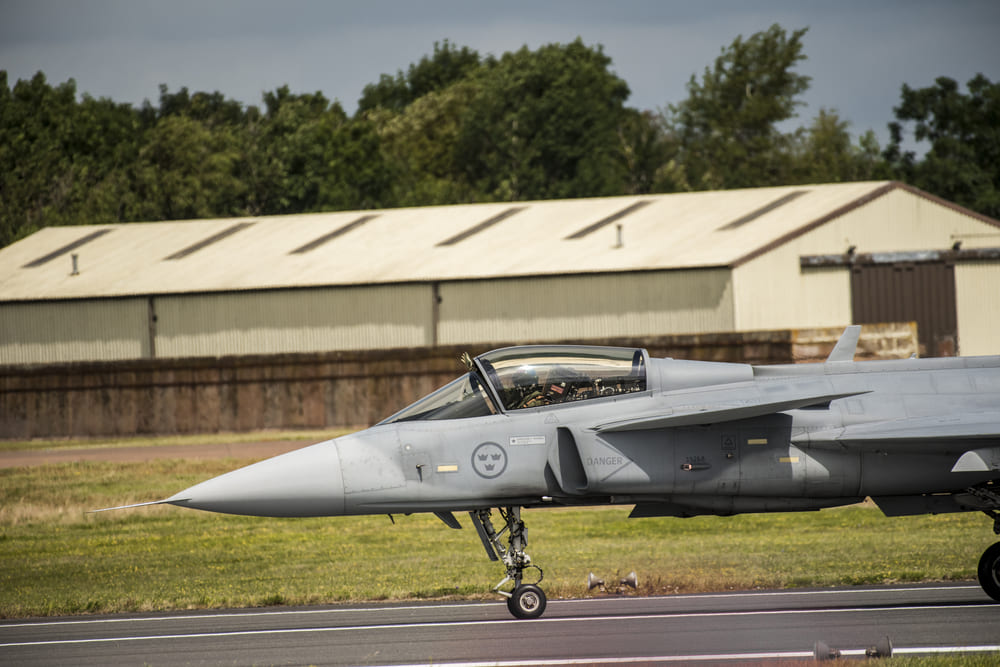
The first operational Gripen E fighters are now in Swedish Air Force service at F 7 Skaraborg Wing in Såtenäs. The formal introduction took place on Oct 20, 2025. The first two airframes carry registrations 609 and 610. Defense officials confirm the
Army aviation leaders at AUSA 2025 said they aim to field a collaborative combat aircraft–like capability within a couple of years. The effort runs beside launched effects and other unmanned projects, pairing a loyal wingman with Army rotorcraft in contested theaters. AUSA
Aircraft covers military fixed-wing from fighters to airlifters. The engines that decide their range and most of their schedule risk sit in Aircraft Propulsion. Aircraft (Civil/Military Systems) handles the airliner-derived tankers, patrol aircraft and special-mission conversions. Helicopters follows rotary-wing procurement and sustainment.
Naval Systems runs from surface combatants to submarines and the yard capacity behind them. Armor, artillery and battlefield logistics are in Land Systems. Space Systems handles satellites, launch access and orbital infrastructure, and Surveillance & Reconnaissance the sensors that turn all of it into usable information.