Fleet size is the number that gets quoted. What a force can actually put in the air on a given morning is a different figure, and usually a much smaller one. An air arm holding 180 fighters at a 55 percent mission-capable rate fields fewer than one holding 120 with good spares support.
This section covers hardware across air, land, sea and space. Combat aircraft, rotorcraft, warships and submarines, armored vehicles, satellites, and the sensors that tie them together. New programs are followed from requirement to service entry, existing fleets through their upgrades, which usually matter more since most of the equipment flying in 2040 is already built.
Most of what changes a platform arrives after delivery: a new radar, a software drop, a sustainment contract that fixes a parts problem at last, or a quiet decision to delete a capability nobody funded.
Specifications are reported where a program office or a budget document supports them. Where they do not, the number is called an estimate.
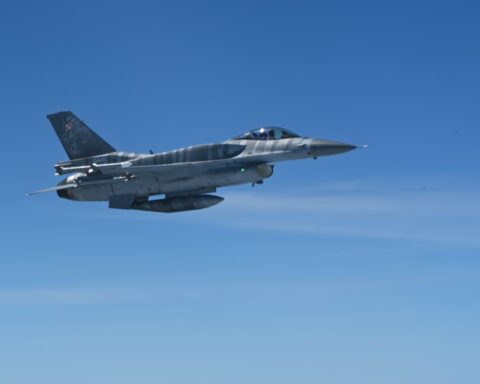
Poland has locked in the electronics lineup for its F-16 Viper upgrade, a $3.8 billion program that will refit all 48 F-16C/D Block 52+ jets and keep the fleet viable through the 2030s.
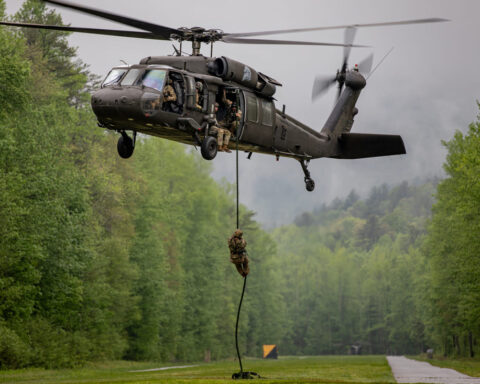
The Army has moved from proposals to orders. Across late August, senior leaders briefed units on a plan to trim parts of the helicopter force and retool aviation for a tougher fight.
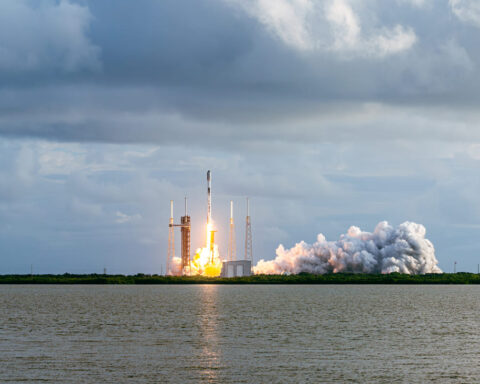
Rocket Lab has opened Launch Complex 3 at the Mid-Atlantic Regional Spaceport and set the stage for Neutron's debut flight before year-end. The ribbon-cutting took place Aug. 28 with state leaders and company executives on site. The complex sits at Pad 0-D,
At the London defense show on September 16, officials stated that Block 4 integration began in 2018 and is expected to continue through 2030-2032. Company officials described TR-3 as the baseline for Block 4 software and acknowledged the slip that reset milestones
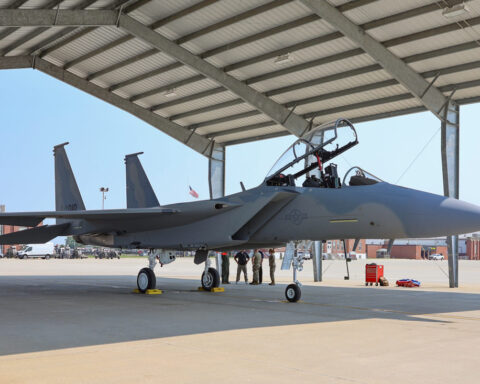
Michigan's Selfridge Air National Guard Base will receive 21 F-15EX Eagle II fighters. Deliveries begin in fiscal 2028. The move keeps a fighter mission at the 127th Wing once the A-10 retires. The timeline runs tight and the base still lacks several
The first company-led flight of the Survivable Airborne Operations Center took place on Aug 7, 2025, out of the Aviation Innovation and Technology Center at Dayton International Airport. The prime contractor reported the sortie as the opening step in a structured test
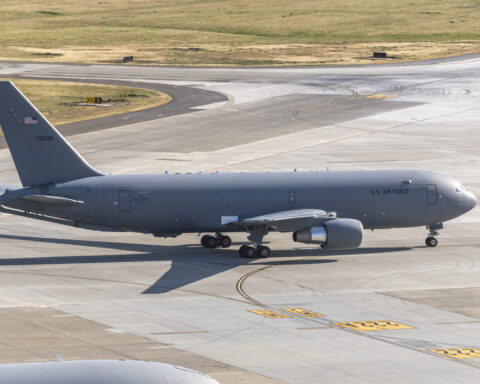
Israel's Defense Ministry moved this week to strengthen two core elements at once. Aerial refueling for long-range missions, and the armored force used in urban combat. It instructed its U.S. mission to finalize a Foreign Military Sales case for two additional KC-46A
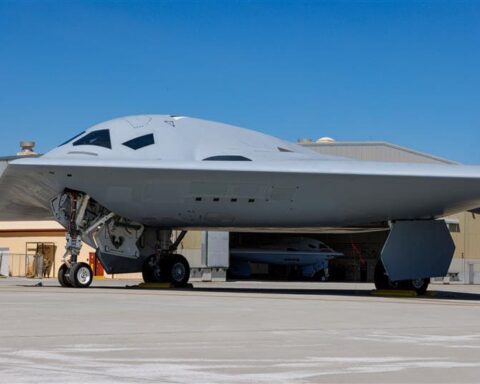
Two B-21 Raiders now operate from Edwards Air Force Base after the second flight-test aircraft was ferried from Palmdale on Sept. 11. Defense officials say the addition enables mission-systems work and weapons integration beyond the basic performance sorties flown so far. Air
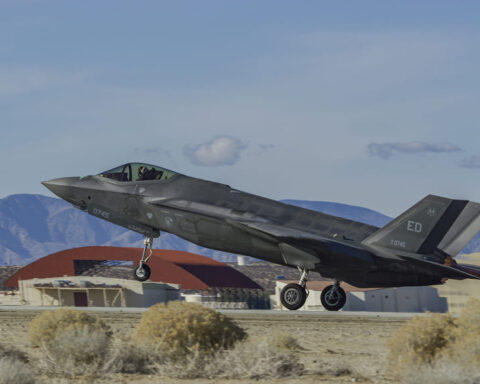
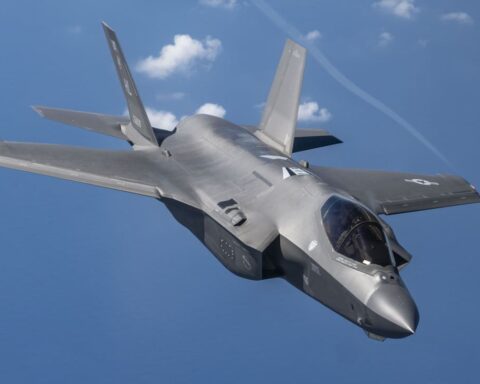
A Government Accountability Office audit reported the F-35 modernization package known as Block 4 will field fewer capabilities than earlier plans, with completion targeted “at the earliest” in 2031. The audit lists a reduced set focused on electronic warfare, added weapons, communications,
AeroVironment completed the first delivery of P550 autonomous Group 2 eVTOL systems to the U.S. Army under the Long-Range Reconnaissance (LRR) program, with gear already handed to units earmarked for Transformation in Contact (TiC) brigades.
Aircraft covers military fixed-wing from fighters to airlifters. The engines that decide their range and most of their schedule risk sit in Aircraft Propulsion. Aircraft (Civil/Military Systems) handles the airliner-derived tankers, patrol aircraft and special-mission conversions. Helicopters follows rotary-wing procurement and sustainment.
Naval Systems runs from surface combatants to submarines and the yard capacity behind them. Armor, artillery and battlefield logistics are in Land Systems. Space Systems handles satellites, launch access and orbital infrastructure, and Surveillance & Reconnaissance the sensors that turn all of it into usable information.