Fleet size is the number that gets quoted. What a force can actually put in the air on a given morning is a different figure, and usually a much smaller one. An air arm holding 180 fighters at a 55 percent mission-capable rate fields fewer than one holding 120 with good spares support.
This section covers hardware across air, land, sea and space. Combat aircraft, rotorcraft, warships and submarines, armored vehicles, satellites, and the sensors that tie them together. New programs are followed from requirement to service entry, existing fleets through their upgrades, which usually matter more since most of the equipment flying in 2040 is already built.
Most of what changes a platform arrives after delivery: a new radar, a software drop, a sustainment contract that fixes a parts problem at last, or a quiet decision to delete a capability nobody funded.
Specifications are reported where a program office or a budget document supports them. Where they do not, the number is called an estimate.
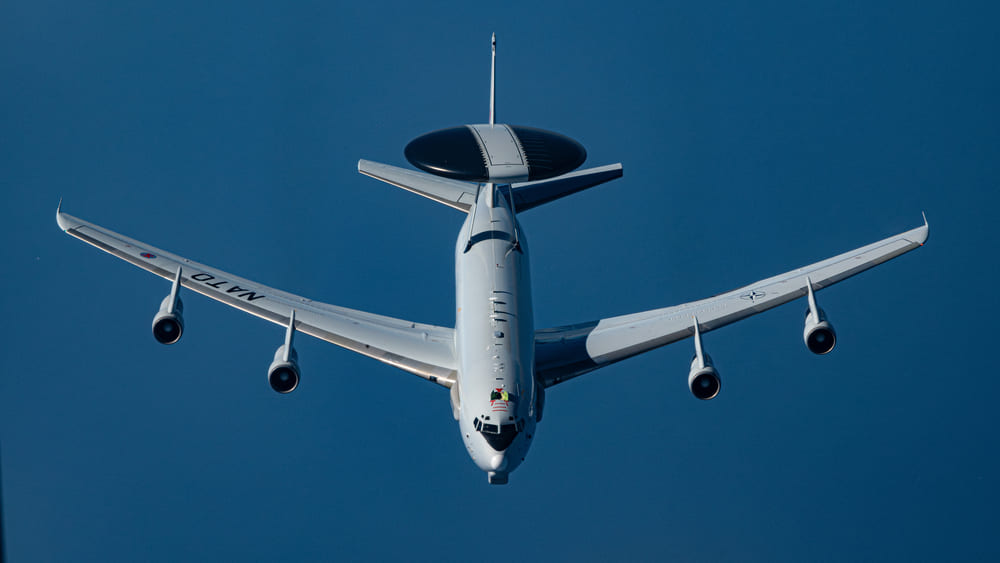
On Dec. 18, 2025, public flight data placed a U.S. Air Force E-3 Sentry off Venezuela’s northern coast after several days in which that aircraft type had not shown with any regularity in the southern Caribbean. The track appeared inside a wider
Defense officials confirm Canada’s senior operational air commander for NORAD integration continues detailed planning for the arrival of F-35A fighters, even as Ottawa reviews the broader fighter buy. Maj. Gen. Chris McKenna said the first tranche of aircraft is already paid for.
Footage circulating on Dec. 16, 2025 shows a new Chinese four turboprop transport aircraft in flight testing. The designation stays unofficial, with Y-30 and Y-15 both in use among watchers. The airlifter appears sized between the Y-9 and the larger Y-20, with
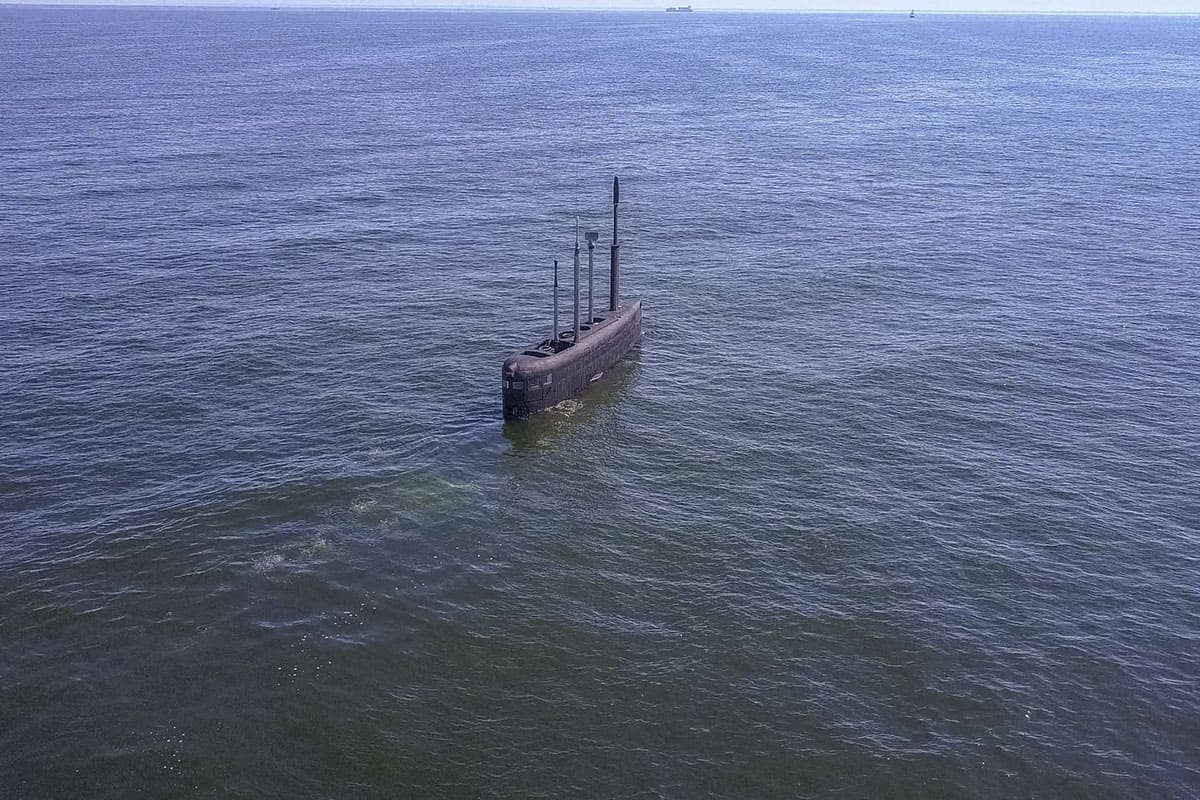
Commercial satellite images taken on Dec. 16, 2025 show blast damage to a pier inside Russia’s Novorossiysk naval port, close to a moored Project 636.3 submarine. Ukraine’s Security Service says an uncrewed underwater vehicle carried out the strike a day earlier. Russia’s
Photos taken in Washington over the weekend show a Boeing 737-8 Boeing Business Jet with “United States of America” on the fuselage and a Department of Homeland Security seal visible inside the cabin. The aircraft, registered N471US, left the Washington area soon
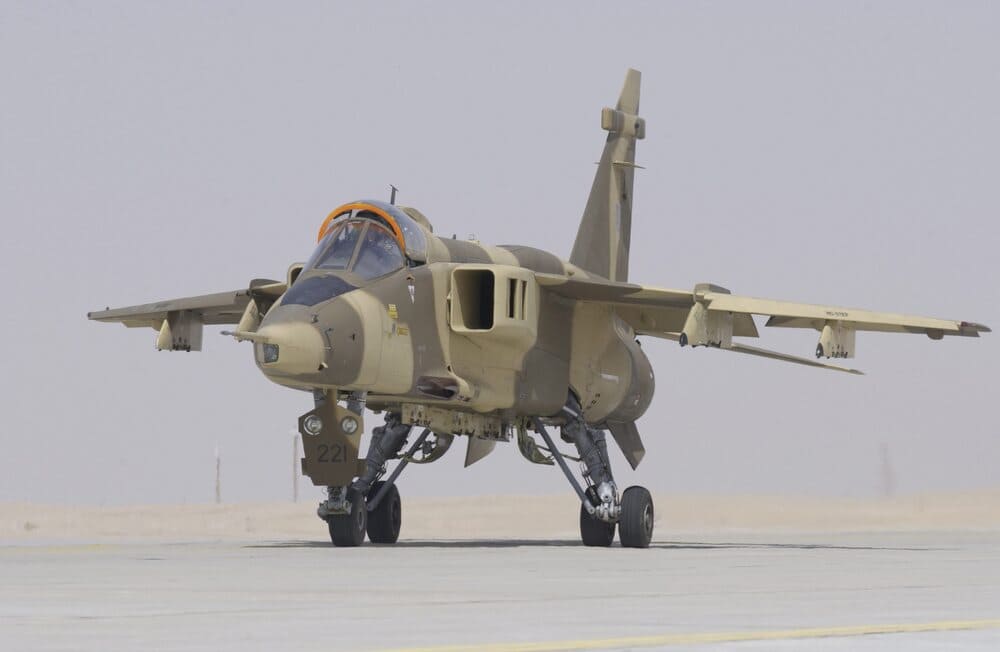
India is moving to pull retired Jaguar airframes out of Oman for parts. The Indian Air Force wants to keep six Jaguar squadrons viable while new fighter buys keep slipping right. The plan extends a fleet that still fills strike and maritime
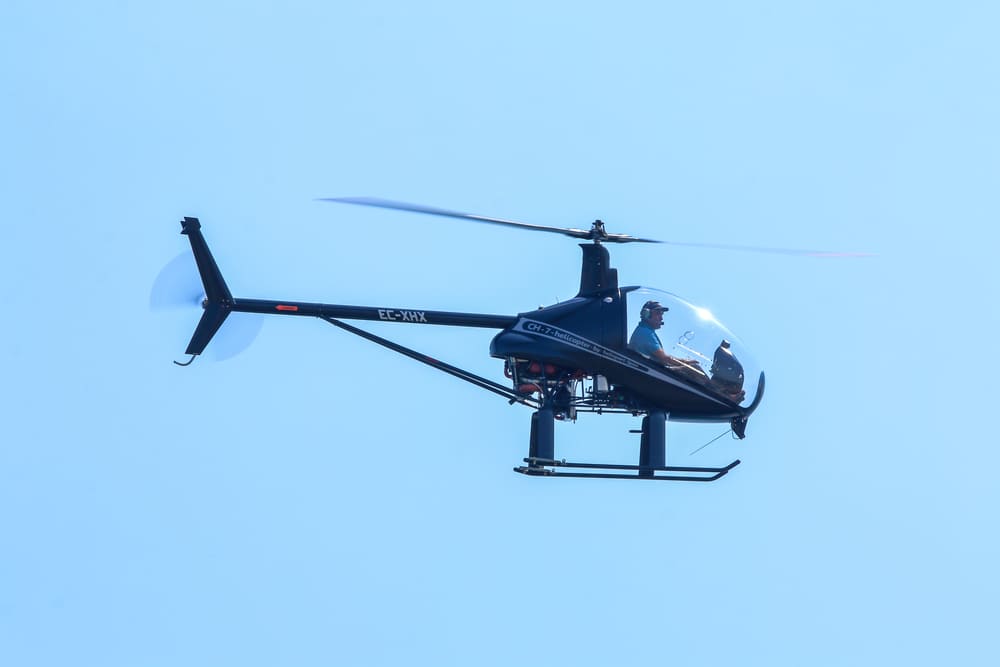
China’s CH-7 stealth flying-wing unmanned aircraft has completed a first known flight, according to state media footage released today. The material shows ground checks, takeoff, in-flight shots, and a recovery to the same airfield, placing the long-running program into open flight testing.
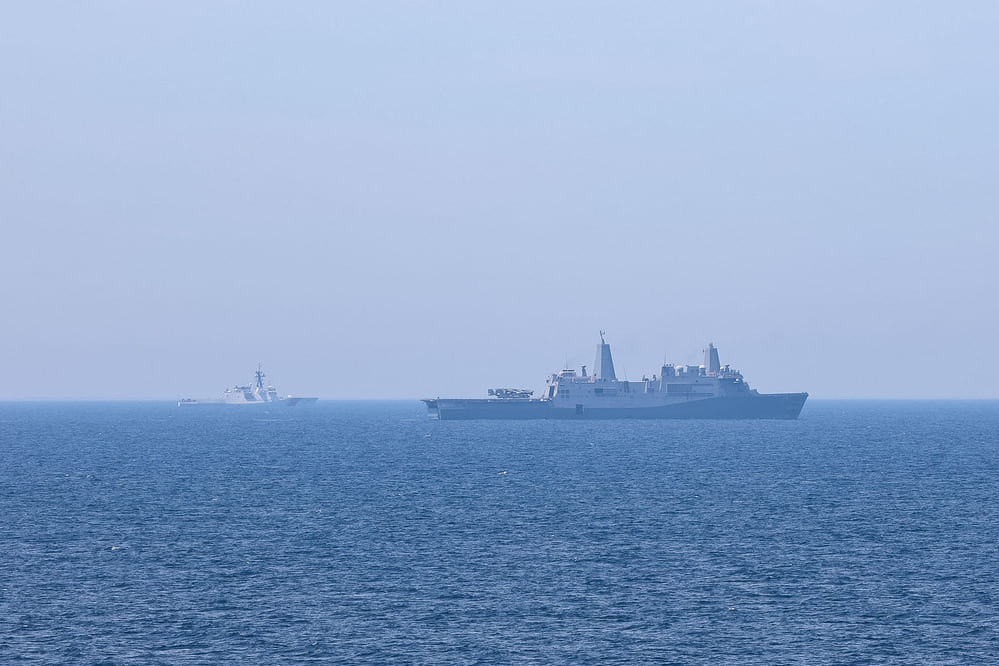
Navy leadership says the service will move ahead with a new frigate program built on an existing U.S. design and try to get the first ship in the water by 2028. Huntington Ingalls Industries will serve as the lead for the design
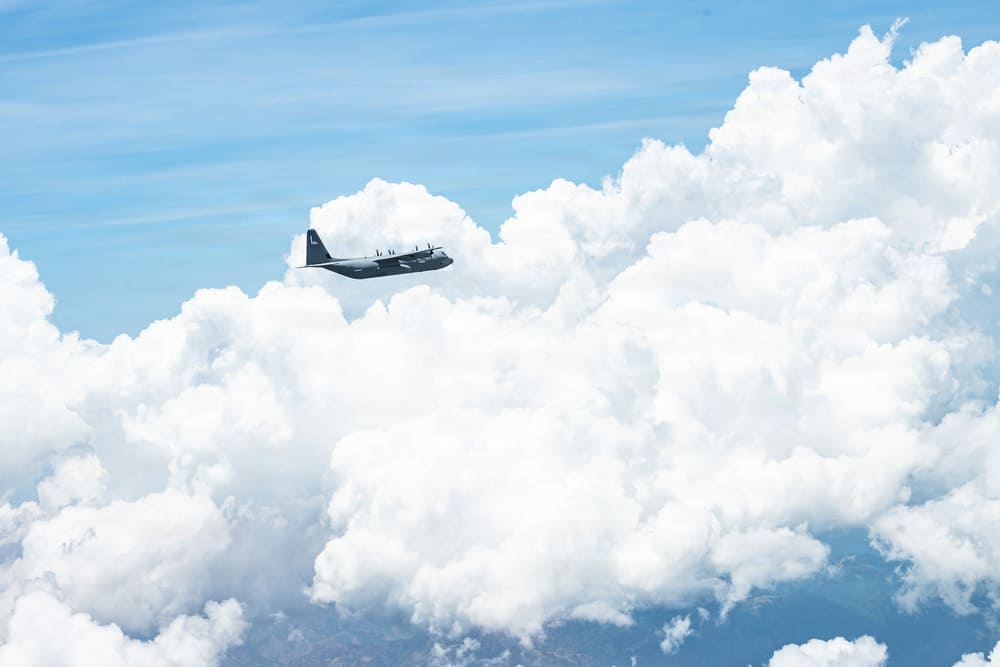
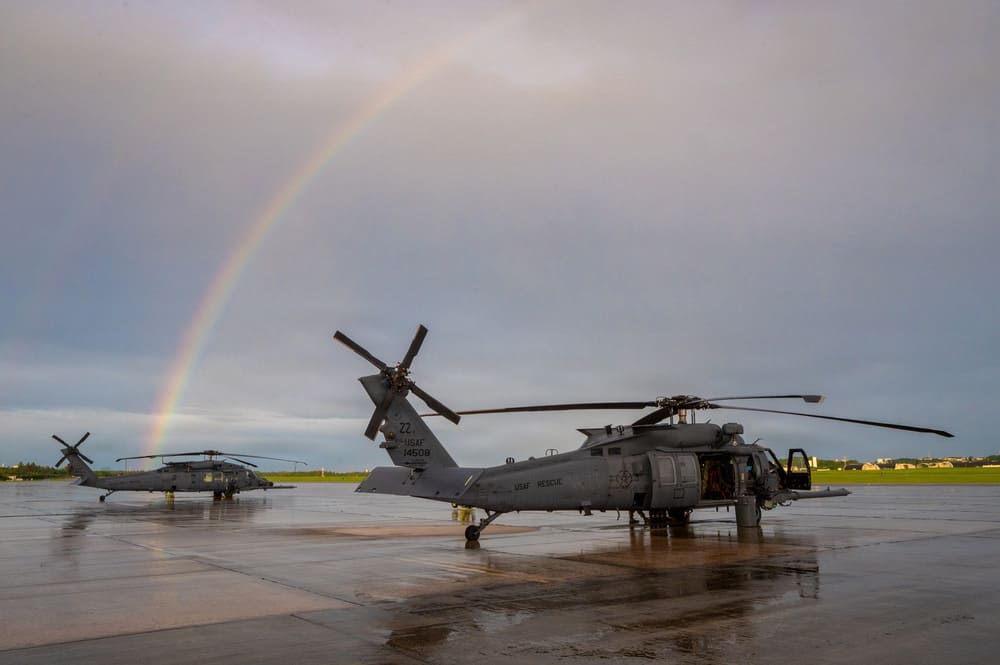
HH-60W Jolly Green II rescue helicopters and an HC-130J Combat King II arrived in Puerto Rico. Operation Southern Spear continues to add airlift and recovery support. KC-135 Stratotankers have started operating from the Dominican Republic. KC-46 Pegasus tankers also continue forward activity
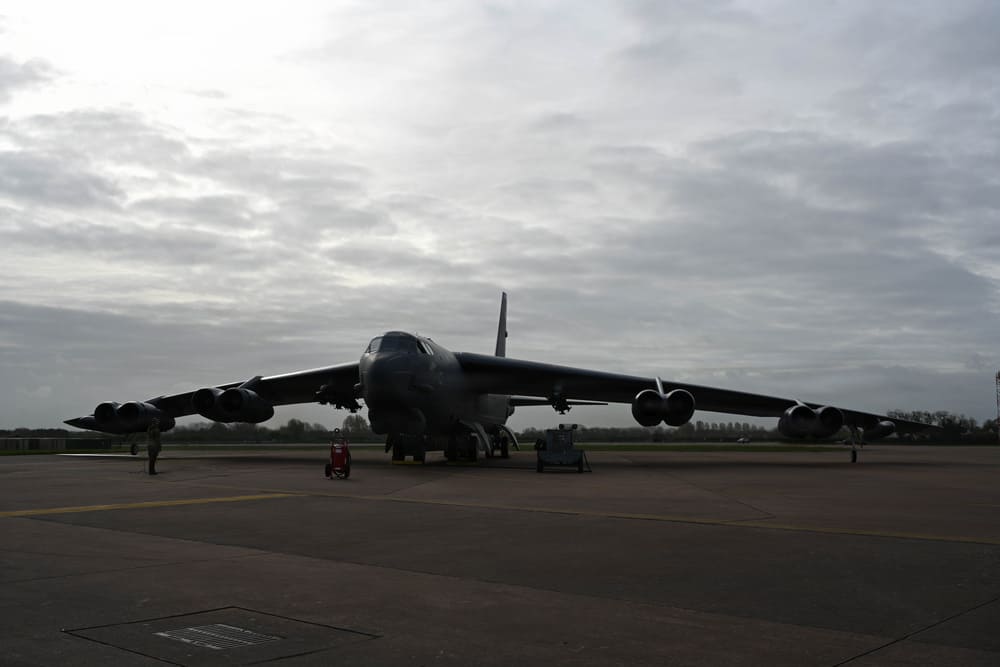
The first B-52 fitted with an AESA radar reached Edwards Air Force Base this week after a ferry flight from San Antonio. The aircraft completed the Dec. 8 move under the B-52 Radar Modernization Program, and the test team at Edwards now
Aircraft covers military fixed-wing from fighters to airlifters. The engines that decide their range and most of their schedule risk sit in Aircraft Propulsion. Aircraft (Civil/Military Systems) handles the airliner-derived tankers, patrol aircraft and special-mission conversions. Helicopters follows rotary-wing procurement and sustainment.
Naval Systems runs from surface combatants to submarines and the yard capacity behind them. Armor, artillery and battlefield logistics are in Land Systems. Space Systems handles satellites, launch access and orbital infrastructure, and Surveillance & Reconnaissance the sensors that turn all of it into usable information.