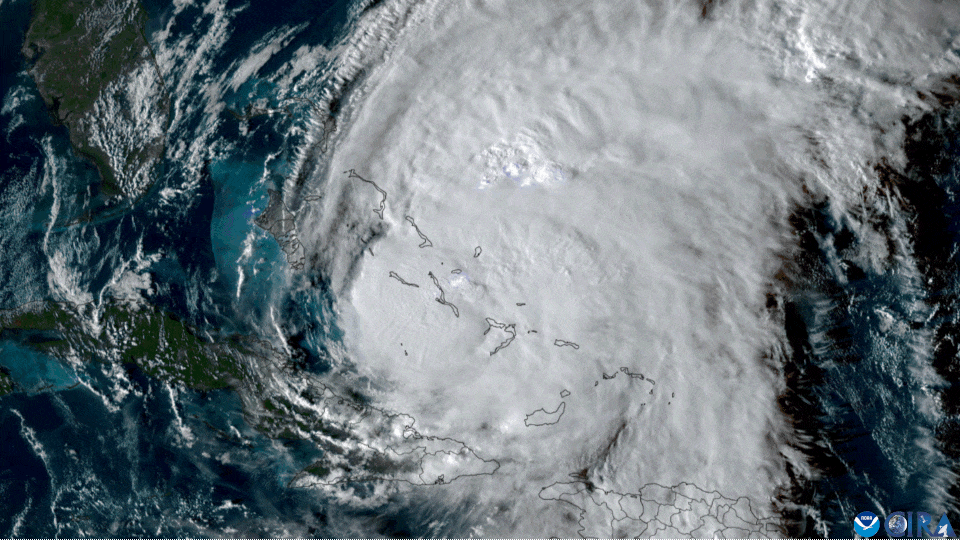
Hurricane Melissa reached Category 5 strength near Jamaica and forced U.S. Navy units operating across the Caribbean to shift routes and stand clear of the forecast track. Defense officials confirm afloat and aviation elements executed storm-avoidance plans during mission tasking. “Despite these recent actions, they remain ready and able to accomplish their assigned missions,” the command said after movements were complete.
Navy Units Reposition Around Hurricane Track
Ships on counter-narcotics and maritime security patrols adjusted headings and standoff distances before Jamaica’s landfall window. Officials confirm those moves continued through the passage across Jamaica and into Cuban territory, then tapered once the system tracked north. Commanders sequenced changes at sea to minimize disruption to daily tasking. They kept communications and underway replenishment schedules intact when sea states allowed.
Surface forces opened distance from the cone and held in safer waters until conditions stabilized. Command cut planned port calls inside the hazard area and pushed those visits to later windows. Authorities said the posture followed standard severe-weather procedures and did not change the mission set.
The Iwo Jima Amphibious Ready Group remained the core amphibious presence. The group’s flight decks, well decks, and command suites provide lift, rotary-wing reach, and quick logistics options if ordered. Officials confirm the ARG adjusted stationing to account for wind fields, surge, and forecast track shifts. The three-ship team kept aircrew, deck crews, and landing craft ready to resume routine evolutions once sea conditions settled.
A separate surface action package cycled destroyers through patrol boxes across the basin. The Navy has not released detailed tracks for each hull, but officials and industry sources describe practical weather routing to the edges of the hazard area and into more protected waters. Engineering and combat systems teams maintained full readiness during these moves. Watch sections preserved continuity, and ships used the pause from some small-boat operations to catch up on preventive checks.
USS Gravely completed a scheduled port visit to Port of Spain, Trinidad and Tobago, then got underway ahead of the worst conditions in the central Caribbean. Host-nation authorities and U.S. officials framed that visit as a bilateral event focused on maritime security, interdiction training, and coordination against transnational crime. Venezuela criticized the timing and location. The destroyer’s departure aligned with the storm plan, and the ship returned to tasking once weather cleared.
Regional partners tracked the storm and shared port status updates through established channels. That information, plus naval meteorology models, shaped when and where units opened distance. Bridge and combat information center teams used repeated track checks to protect radar lines, helicopter envelopes, and safe navigation margins. Commanders held to conservative risk thresholds, which is typical for a Category 5 system over warm water under fast intensification.
South of the main track, patrol areas remained workable after only minor adjustments. To the north and northeast of Jamaica, winds and seas required a wider stand-off. Signal connections and satellite circuits held up well across the region, so the fleet kept reliable reporting and received fresh forecast data at regular intervals. Replenishment ships repositioned to keep fuel and stores within reach once movements resumed.
Guantánamo Evacuation and Jamaica Damage Assessment
Navy officials evacuated family members and other non-mission-essential personnel from Naval Station Guantánamo Bay in the days before peak winds. The service moved 864 dependents, civilians, and contractors to Naval Air Station Pensacola on Oct 25 and Oct 26. “The safety and well-being of our Navy family is always a primary concern,” Capt. Chandra Newman, the NAS Pensacola commanding officer, said after the airlift wrapped up. The base kept essential staff on station to sustain operations and storm recovery.
Damage reports from Jamaica documented widespread outages, heavy flooding, and landslides across multiple parishes. Local authorities marked downed power lines and blocked roads after eyewall passage. Hospitals and clinics took on water and debris and shifted to backup power. According to officials on the island, assessments proceeded district by district as crews cleared access routes. The first counts pointed to high casualties and extensive property loss. Follow-on reports described severe damage in Black River and surrounding communities after wind and surge battered the southwest coast.
A small U.S. assessment team stood by on three helicopters staged in the Cayman Islands. That posture kept lift within reach without placing aircraft inside the storm’s hazard envelope. Crews waited for field conditions and airfield status to improve before any onward movement. Commanders noted the team could carry medevac kits, water, and basic generators if requested by host-nation authorities and approved through the normal channels.
The ARG maintained availability for logistics support and limited medical lift. Flight decks can move water, rations, and emergency equipment. Landing craft can reach austere beaches if port conditions make pier operations unsafe. That capability stays on call, not automatic. Tasking begins only after a formal request and interagency approval. Officials confirm no change to that process during this storm period.
The Marine air combat element kept pilots current on shipboard approaches during high sea states. Maintenance crews used the weather window to close out inspections and bring spare parts forward on the ships. Well-deck crews checked landing craft ramps and voids for water intrusion after heavy spray and kept ballast ready for a quick shift from maritime security runs to logistics runs if orders came down.
Reports from regional health agencies and emergency managers flagged health facility damage across Jamaica, parts of Haiti, and Cuba. Those reports matter to planners because port clearances mean little if receiving sites lack power or staff. Relief cargo must move where storage and distribution can accept it. Officials confirm the Navy tracked that picture to match any potential support to real demand rather than generic deliveries.
Bomber Flights and Theater Air Operations During Storm
B-1B Lancers transited the Caribbean during the same week the storm intensified. Officials confirm the bombers flew in international airspace and returned without incident. The mission served presence and signaling purposes and did not change hurricane measures in effect for naval units. Earlier long-range bomber flights by different platforms took similar routes in recent weeks, and the schedule again lined up near maritime operations aimed at countering illicit traffic.
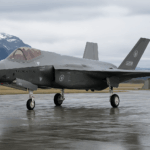
Fighter and surveillance aircraft in theater shifted their operating locations to avoid wind hazards. According to defense officials, planners moved some sorties to airfields west and south of the forecast track to preserve collection windows and keep aircrews out of dangerous crosswinds. Those changes held for short periods, then reverted as the system moved north and field conditions stabilized.
Coast Guard cutters and partner patrol craft adjusted Areas of Responsibility during the storm crossing. Officers synchronized the temporary lanes and repositioned their fast boats after seas began to drop. That arrangement of small-unit changes helped keep the interdiction picture intact during poor conditions. Crews treated each sea state change as a cue to expand or contract coverage until the all-clear.
Naval aviation squadrons used the weather break after the storm window to catch up on events and training profiles. Aircrew schedulers rotated pilots through instrument approaches and deck landings and rebuilt the backlog of routine checks that always shrink during major weather. Flight surgeons checked aircrew rest cycles after several days of irregular hours under storm watch.
The bomber flights drew attention because of their close timing to Melissa’s peak and to ongoing regional friction. Officials confirm the flights were not linked to hurricane response. The Navy’s weather moves and the Air Force’s long-range sorties ran on separate tracks, each under its own risk rules and command approvals. Units kept coordination through deconfliction channels and airspace control measures during the storm altered routine patterns.
Port Closures and Resupply Effects on Naval Operations
Jamaica closed sea ports and airports ahead of landfall and then reopened in stages for relief flights and urgent cargo. Airlines suspended schedules into Kingston and Montego Bay and resumed service only as safety teams cleared runways, lighting, and approach routes. The first air traffic went to relief work, not commercial passengers. Port authorities issued status notices that allowed ships to plan re-entry without bunching alongside damaged piers.
According to industry sources, ocean carriers adjusted sailings to avoid the core wind field. Some advanced departures to beat the storm window. Others slowed or held position in safer waters until port status went green. Crews used the time to check lashings, inspect containers for visible damage, and tighten stack plans so pier time would run faster once operations resumed.
Sangster International Airport in Montego Bay reported damage to terminal areas and needed checks before full passenger service returned. Cargo handling required power restoration and equipment inspections. Roof loss in communities along the southwest coast complicated trucking, so relief flights focused on pallets that could transfer quickly to lighter vehicles. Heavier items waited for road clearance and staging sites offering fuel and security.
Naval logistics teams watched pier conditions and fuel-farm status to time returns to routine replenishment. Afloat units need steady fuel and stores, yet a rushed pull-in to a damaged port delivers little benefit. Staff matched ship movements to the pace of port recovery.
The wider shipping pattern across the Caribbean shifted for a few days. Cruise lines rerouted to alternate ports. Container lines scrubbed or consolidated a handful of calls. Those commercial moves influence naval planning because tugs, pilots, and dredging assets often serve both worlds. A clean schedule reduces congestion for everyone when ports reopen.
Officials confirm the theater rebalanced quickly after the storm lifted north. Ships spread back out to patrol boxes, and aircraft returned to familiar hubs. Units rolled weather gear back into storage and resumed normal rhythm. The short-term churn showed up mostly in postponed port visits and a brief dip in small-boat activity near the core wind field. No long pause followed.
SOUTHCOM underscored safety and continuity in public statements across the week. The command’s message stayed consistent from first alerts through re-entry: protect crews and families, move out of hazard areas early, resume missions when conditions allow.
“Despite these recent actions, they remain ready and able to accomplish their assigned missions,” the command said, reinforcing the same point after ships left the hazard zone. The line matched what crews executed at sea. Capt. Newman’s earlier reminder about family safety at Pensacola captured the human side of the evacuation and gave a clear endpoint to that part of the emergency plan.
Port and airport status across Jamaica kept improving into Oct 31 as power came back and debris teams cleared access roads. Maritime patrol patterns settled. Airlift returned to ordinary throughput. Units kept an eye on follow-on weather and on requests for assistance that might still arise as local assessments finalized. Officials confirm that any additional support would follow standard channels and remain aligned with host-nation priorities.
The amphibious group stayed positioned to swing if asked. Destroyers refilled and rotated watch teams. Coast Guard and partner boats resumed normal sectors. Bomber activity moved on its own schedule and no longer overlapped during storm windows. Our analysis shows Melissa forced a careful but brief shift in routes and timing, not a change in strategic posture, and the basin returned to familiar operational patterns within days of the storm’s passage.
REFERENCE SOURCES
- https://www.reuters.com/world/americas/hurricane-melissa-broke-records-jamaica-2025-10-31/
- https://apnews.com/article/8f71433722c9963554421d9258cd4d6b
- https://www.theguardian.com/environment/2025/oct/27/jamaica-powerful-hurricane-melissa-category-5-landfall-new-zealand-storm
- https://www.theguardian.com/environment/2025/oct/31/weather-tracker-hurricane-melissa-caribbean-jamaica-haiti-cuba
- https://www.military.com/daily-news/headlines/2025/10/28/navy-confirms-evacuations-hurricane-melissa-roars-toward-caribbean.html
- https://www.jamaicaobserver.com/2025/10/29/us-moves-military-assets-caribbean-ahead-hurricane-melissa/
- https://abcnews.go.com/International/live-updates/hurricane-melissa-live-updates-powerful-storm-poses-catastrophic/?id=126883938
- https://www.airandspaceforces.com/air-force-b-1s-fly-venezuela-again-show-of-force/
- https://www.wsj.com/politics/national-security/u-s-sends-b-1-bombers-near-venezuela-ramping-up-military-pressure-f9514126
- https://www.washingtonpost.com/weather/2025/10/29/hurricane-melissa-cuba-jamaica-damage/
- https://www.washingtonpost.com/world/2025/11/01/venezuela-us-militarty-aircraft-carrier-ships-strikes-caribbean-trump-maduro/
- https://www.stripes.com/branches/navy/2025-09-23/uss-stockdale-navy-presence-caribbean-venezuela-19196878.html
- https://www.aljazeera.com/news/2025/10/28/catastrophic-category-5-hurricane-melissa-makes-landfall-in-jamaica
- https://reliefweb.int/disaster/tc-2025-000196-hti
- https://www.wmo.int/media/news/category-5-hurricane-melissa-hits-jamaica-and-caribbean-islands
- https://www.reuters.com/business/environment/hurricane-melissa-smashes-through-caribbean-accelerates-towards-bermuda-2025-10-30/
- https://www.cbsnews.com/news/hurricane-melissa-destruction-jamaica-haiti-cuba/
- https://www.crowley.com/shipping-logistics-announcements/crowley-monitoring-hurricane-melissa-update-ii/
- https://www.facebook.com/JISVoice/posts/as-of-today-october-25-all-sea-ports-have-since-been-closed-due-to-the-continued/1298328595656104/
- https://www.theguardian.com/world/2025/oct/27/jamaicans-take-shelter-as-hurricane-melissa-bears-down-as-category-5-storm
- https://www.chron.com/gulf-coast/article/cruises-carnival-caribbean-hurricane-melissa-21124373.php