A Russian long-range drone hit the Turkish-owned roll-on, roll-off cargo ship CENK-T at the port of Chornomorsk on Friday and set the vessel’s bow area on fire. Ukrainian officials said at least one person was hurt. Video from the port showed the ship burning at the pier after the strike.
Ukrainian President Volodymyr Zelensky linked the attack to a wider barrage against the Odesa region and wrote, “Today’s Russian strike, like many other similar attacks, had, and could not have, any military sense,” adding that “a civilian ship in the Chornomorsk port was damaged.”
Ukraine’s deputy prime minister, Oleksiy Kuleba, said Russia “is targeting ports, logistics and shipping.” Ukrainian officials said the same strikes hit at least two other Turkish-owned vessels at Odesa-area ports.
Chornomorsk port strike hits CENK-T as Odesa shipping lanes face new pressure
The strike appeared to involve a Geran-2 drone, according to Ukrainian officials. Russia also launched missiles at Odesa region targets during the same wave, they said.
CENK-T is a Turkish-owned RoRo cargo ship flagged in Panama. Ukrainian officials said the ship was docked at Chornomorsk when it was hit. The owner identified in reporting, Cenk Shipping, said no one was killed. Ukrainian officials said at least one person was injured.
The port of Chornomorsk sits just south of Odesa and remains part of Ukraine’s commercial export system even under regular air attack. Strikes often land on warehouses, cranes, fuel infrastructure, and rail links. A direct hit on a foreign-owned commercial ship at the pier tightens the risk picture for operators that had kept running cargo into the area.
Turkey’s foreign ministry said repeated strikes around the Black Sea endanger navigation and energy and port infrastructure. It said Ankara is speaking with both sides and wants attacks in the region to stop.
Maritime trade press reporting described the CENK-T strike as a retaliation signal tied to Ukraine’s recent attacks on Russian-linked tankers.
Ukraine’s Sea Baby drone campaign targets Russian-linked tankers near Turkey
Two oil tankers came under attack on Nov. 29 in the Black Sea inside Turkey’s exclusive economic zone, according to Turkish officials. A Turkish minister said unmanned sea vehicles were involved. Crews were evacuated and no casualties were reported in public accounts.
Turkey condemned the attacks and warned that the action could spread the war at sea. President Recep Tayyip Erdogan said the incidents risked “spreading the war.”
Ukrainian security-service statements and subsequent reporting linked the Nov. 29 strikes to Sea Baby naval drones and described the targets as part of a Russian “shadow fleet” used to move oil under sanctions pressure. Turkish authorities said they started investigations.
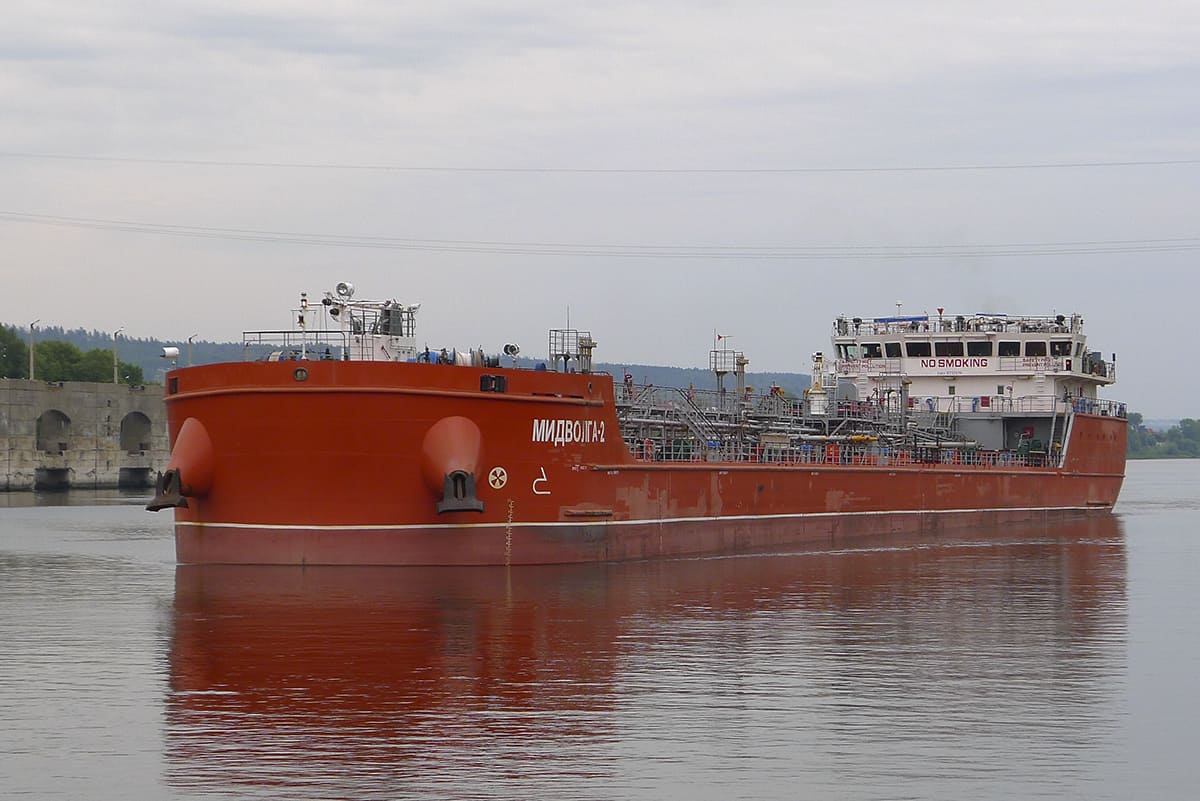
A drone strike hit the Russian-owned oil products tanker Midvolga-2 off Turkey’s northern coast on Dec. 2, according to reporting that cited Turkish sources. The ship was described as carrying sunflower oil and sailing from Russia toward Georgia.
On Dec. 10, Ukraine’s navy drones hit the crude oil tanker Dashan in the Black Sea, according to Russian and Ukrainian accounts cited in reporting. A Ukrainian security-service officer said Ukraine views the sanctioned fleet as a funding stream for Russia’s war effort and said the campaign will keep targeting it.
The Dec. 10 reporting also pointed to an immediate financial effect. War-risk insurance on voyages to Russian ports was described as rising sharply, with daily premiums reaching levels that can alter routing and charter decisions within days.
A separate incident outside the Black Sea also fed concern inside shipping circles. A Russian-linked tanker anchored off Senegal was damaged by “external explosions” on Nov. 27, according to reporting, and investigators were still working the cause. The report noted commentary that raised, but did not confirm, a Ukrainian role.
Putin warns that ship attacks are piracy and threatens Ukraine’s sea access
President Vladimir Putin issued his warning on Dec. 2 after the Nov. 29 tanker strikes near Turkey. He called the attacks “piracy” and said Russia could respond by “cutting Ukraine off from the sea.”
Putin also said Russia could consider measures against countries that, in Moscow’s view, help Ukraine carry out strikes on Russian shipping. The same reporting quoted Kremlin-linked messaging that tied future port attacks to deterrence and retaliation.
Russian strikes have hit Ukrainian ports and port-adjacent infrastructure throughout the war. Commercial ships have been damaged before, often as collateral. The Dec. 12 hit on CENK-T and the additional Turkish-owned ships in Odesa-area ports moves closer to a pattern where ships themselves become the message, not just the surrounding logistics network.
Ukraine’s own strikes on tankers have stayed focused on vessels tied to Russian trade flows, especially oil cargoes. Public Ukrainian comments in recent days have treated those vessels as legitimate economic targets tied to sanctions evasion and war financing.
Turkey’s position complicates the picture. The tanker attacks happened inside Ankara’s exclusive economic zone, and Turkish officials have signaled they want the Black Sea to remain managed, not opened to a rolling shipping fight. Turkey has repeated calls for both sides to avoid actions that threaten navigation safety.
Shipping risk management shifts as insurers price in port strikes and drone reach
Port calls to Odesa region terminals already carry elevated risk from air and missile attacks, plus uncertainty about air defense coverage and warning time. A ship alongside a pier has limited options once an incoming drone is spotted, especially at night or in bad weather. Operators rely on shelters, crew mustering plans, and strict port-call timing to reduce exposure.
A pattern of naval drones hitting tankers near Turkey forces planners to account for threats beyond harbor limits. Drone routes can be short, launched from coastal areas or from mother craft at sea. That pushes risk assessments into sea lanes that previously felt less exposed than port approaches.
Insurance pricing has become a practical limiter. Underwriters can re-rate routes after a single high-profile event, especially when attacks hit foreign-owned ships or occur in waters tied to a NATO member’s economic zone. The Dec. 10 reporting described daily war-risk premiums rising fast for Russia-bound voyages, and that pressure tends to ripple into adjacent routes.
According to industry sources, some operators now treat Odesa-region calls as feasible only under short turn times, heavy contractual protections, and clear naval and port authority procedures for air-raid response. That approach does not stop a hit, but it lowers exposure windows and keeps crews out of open decks during alerts.
Defense officials confirm Ukraine’s naval-drone program has moved from symbolic raids to a repeatable strike option against tankers tied to Russian trade. That change does not require large ships or aircraft, and it can adapt faster than traditional naval forces.
Turkey has condemned sea-drone attacks inside its exclusive economic zone, and that adds another constraint. When incidents happen close to its coast, Ankara can step up maritime security, run more patrols, and apply pressure through diplomatic channels.
Our analysis suggests the Dec. 12 strike on CENK-T will harden thinking among Black Sea stakeholders. More of them will treat commercial hulls as possible targets, not just bystanders, and price voyages with that assumption in mind.
REFERENCE SOURCES
- https://www.reuters.com/world/europe/russian-drone-attack-hit-three-turkish-owned-vessels-odesa-ports-2025-12-12/
- https://www.reuters.com/world/europe/putin-threatens-cut-ukraine-off-sea-after-attacks-tankers-2025-12-02/
- https://www.reuters.com/world/europe/ukraines-naval-drones-hit-sanctioned-oil-tankers-russia-says-2025-12-10/
- https://apnews.com/article/turkey-black-sea-oil-tanker-drone-ukraine-russia-1f1a3a7a5a69f0c7b8c4f4d1dbf6b3c2
- https://www.businessinsider.com/ukraine-naval-drones-hit-russian-linked-oil-tanker-black-sea-2025-12
- https://splash247.com/russia-attacks-turkish-owned-roro-ship-at-ukrainian-port/
- https://www.twz.com/sea/russian-retaliation-strike-raises-stakes-in-black-sea-shipping-war
- https://www.lemonde.fr/en/le-monde-africa/article/2025/12/02/russian-linked-oil-tanker-hit-by-external-explosions-off-the-coast-of-senegal_6748049_124.html
- https://www.reuters.com/world/europe/erdogan-says-black-sea-drone-attacks-risk-spreading-war-2025-12-01/