An interceptor that works costs more than the thing it destroys, and there are fewer of them than anyone would like. That exchange ratio has become the organizing problem of modern weapons development. A one-way attack drone assembled for a few tens of thousands of dollars can force the launch of a missile costing several million, and no magazine survives that trade for long.
This section covers the effectors and the software around them. Missiles and munitions, unmanned systems, air and missile defense, electronic warfare, cyber, lasers and high-power microwave, autonomy, propulsion, and the mission software that decides how quickly any of it can be changed.
Demonstrations are treated as demonstrations. A laser that shot down a drone on a range in good weather is not a fielded capability, and coverage says which one it is.
Production rate matters as much as performance. A weapon nobody can build at scale is a briefing slide.
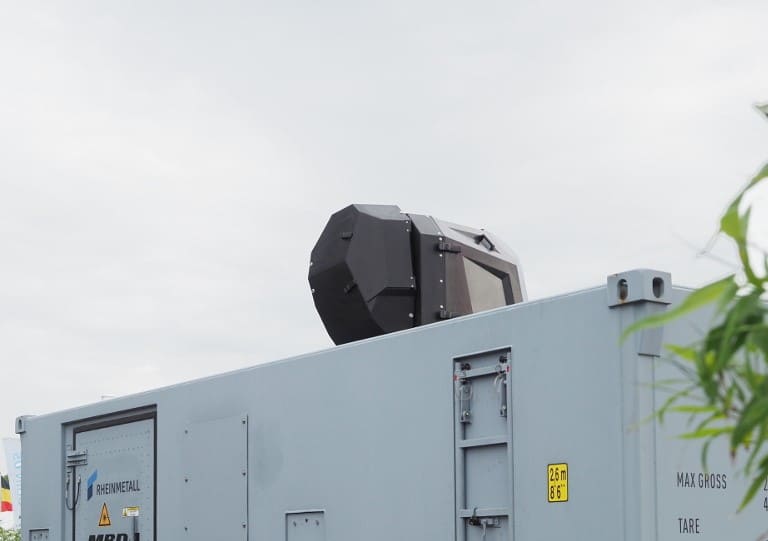
Berlin – Germany’s naval laser demonstrator has moved from sea to shore. The Rheinmetall–MBDA system transferred to the Bundeswehr’s Laser Competence Centre at WTD 91 in Meppen after a year of trials on the air-defense frigate Sachsen. Company materials note “fully operational
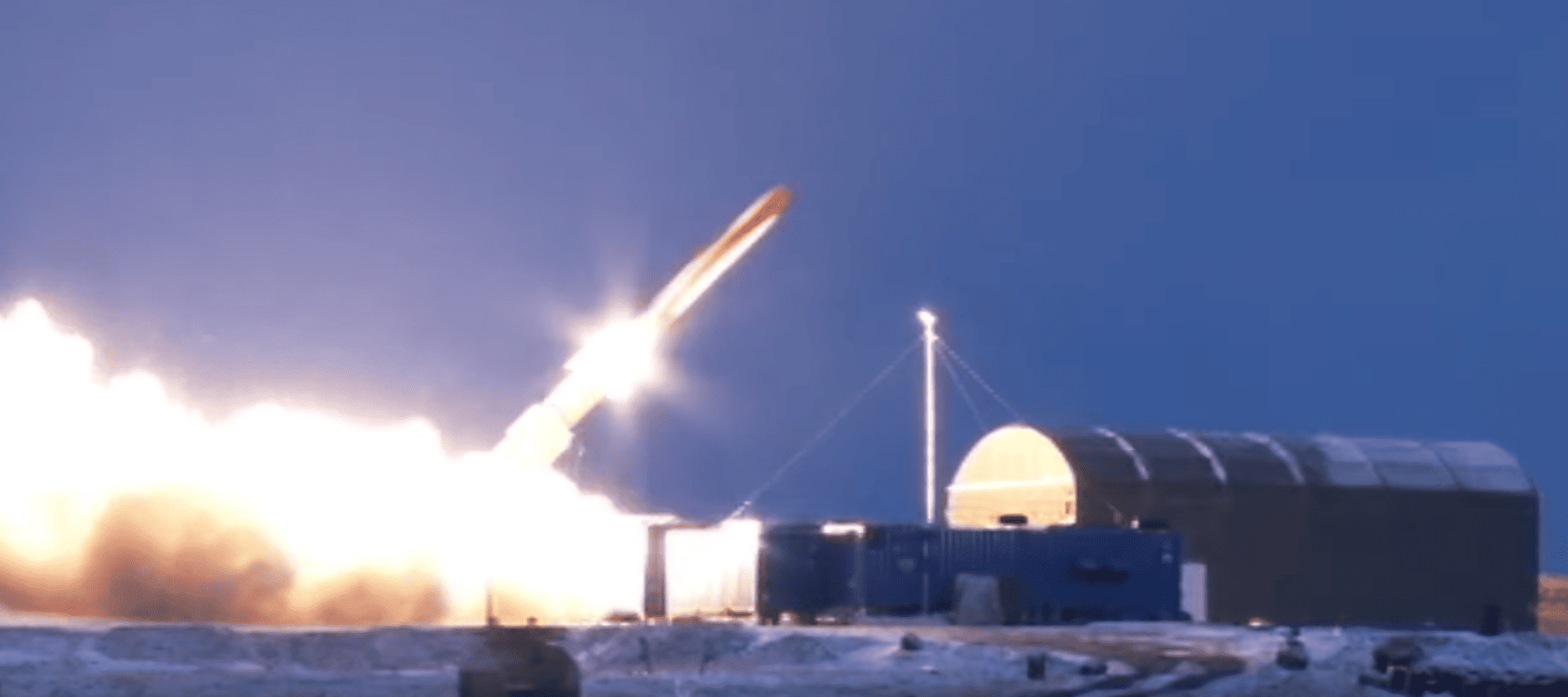
As of 28 October 2025, Castelion holds U.S. Navy and U.S. Army awards to integrate its Blackbeard hypersonic weapon on operational platforms, with live-fire events in scope. A Navy study conducted in 2024 defined strict size and weight limits for an air-carried
Russia’s leadership announced a new long-range flight for the 9M730 Burevestnik (Skyfall) on Oct 21, describing a subsonic cruise of about 14,000 kilometers in roughly 15 hours. The briefing ran on camera and signaled a push toward preparation for service. No telemetry,
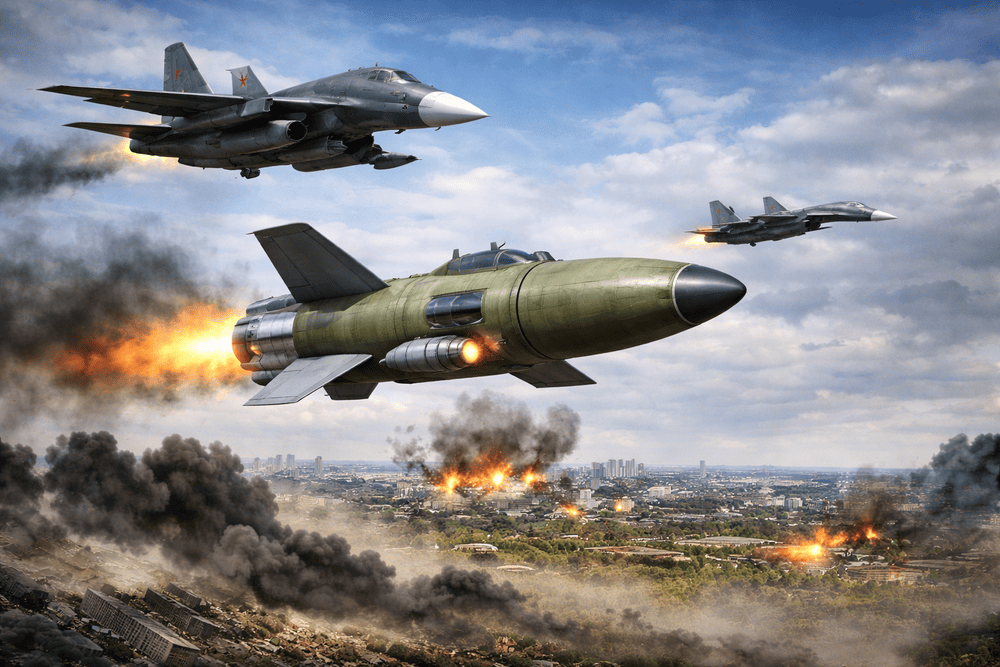
Russian strike aircraft are now dropping jet-powered glide bombs on Ukrainian targets at ranges approaching 200 kilometers, extending the reach of Soviet-era free-fall bombs with bolt-on wings, guidance units, and small turbojet engines. Ukrainian intelligence officers describe a new long-range variant entering
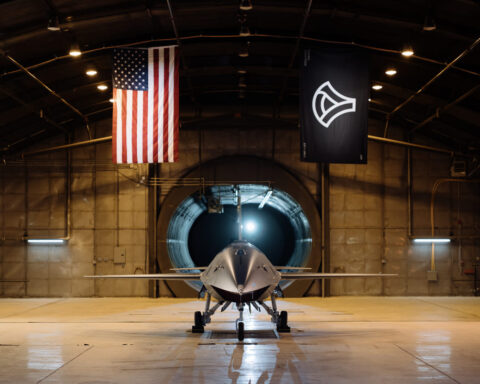
An Air Force official said the Collaborative Combat Aircraft effort continued through the funding lapse with no direct program impacts. “Personnel supporting critical test and development activities were identified as excepted and returned from furlough to ensure continuity of operations and avoid
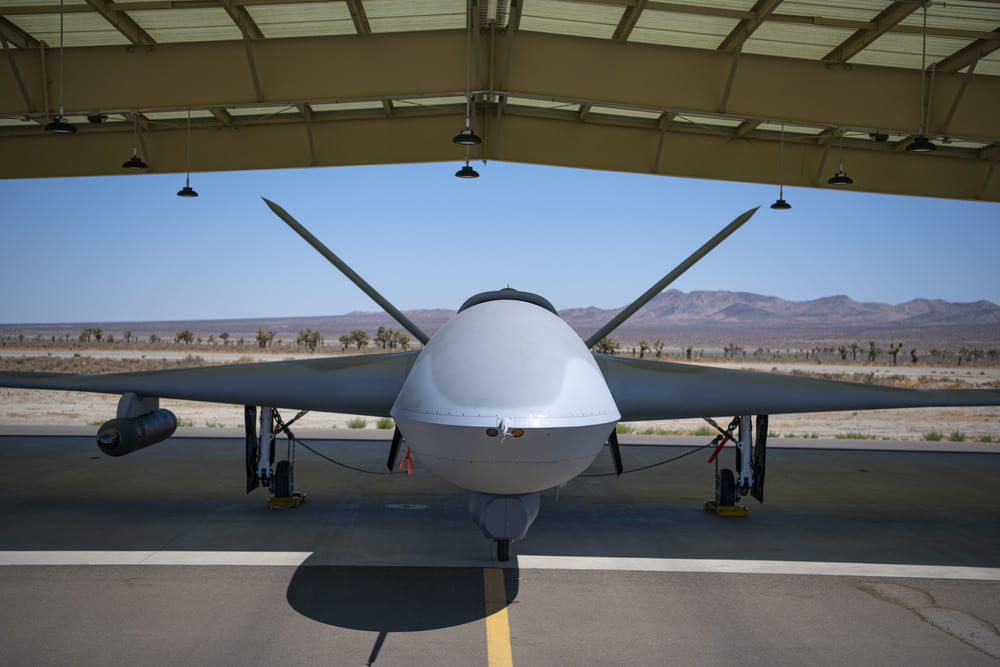
A concept video at AUSA 2025 showed an MQ-20 Avenger with a rotating nose section that projects a laser through a turreted aperture. General Atomics described it as a rendering rather than evidence of a fielded system, yet the configuration aligns with
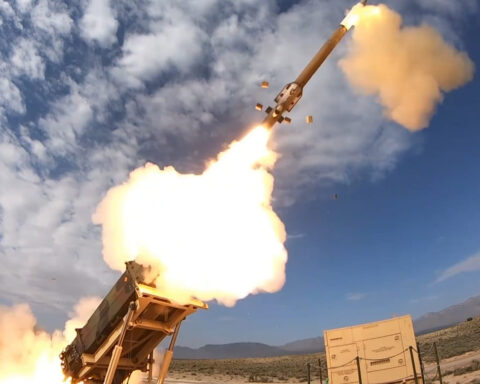
A year after shelving plans for a new Patriot interceptor, the U.S. Army is moving back toward a Lower-Tier Future Interceptor. Maj. Gen. Frank Lozano, the Army’s program executive officer for Missiles and Space, told an audience in Washington he expects support
The Army named Anduril the winner of its competition for a new counter-drone fire-control system run with the Defense Innovation Unit. Defense officials confirm the October 15 selection followed competitive testing. The award covers fire-control software for counter-UAS that fuses sensor tracks
The Netherlands signed a letter of intent on October 16 in Washington to join the US Air Force’s Collaborative Combat Aircraft effort. State Secretary for Defence Gijs Tuinman signed at the Dutch Embassy during Defense Industry Days. The Dutch Ministry of Defence
The Air Force will not proceed with a stand-alone Integrated Capabilities Command. Leadership will fold the planned command’s functions into Air Force Futures, the A5/7 organization at the Pentagon, and establish a new Chief Modernization Officer to steer the work. The department
Missiles / Drones / Directed Energy carries the effectors: cruise and ballistic weapons, loitering munitions, unmanned systems, and the lasers and high-power microwave now being fielded against them. What all of it is aimed at, and what shoots it down, is in Air & Missile Defense Systems.